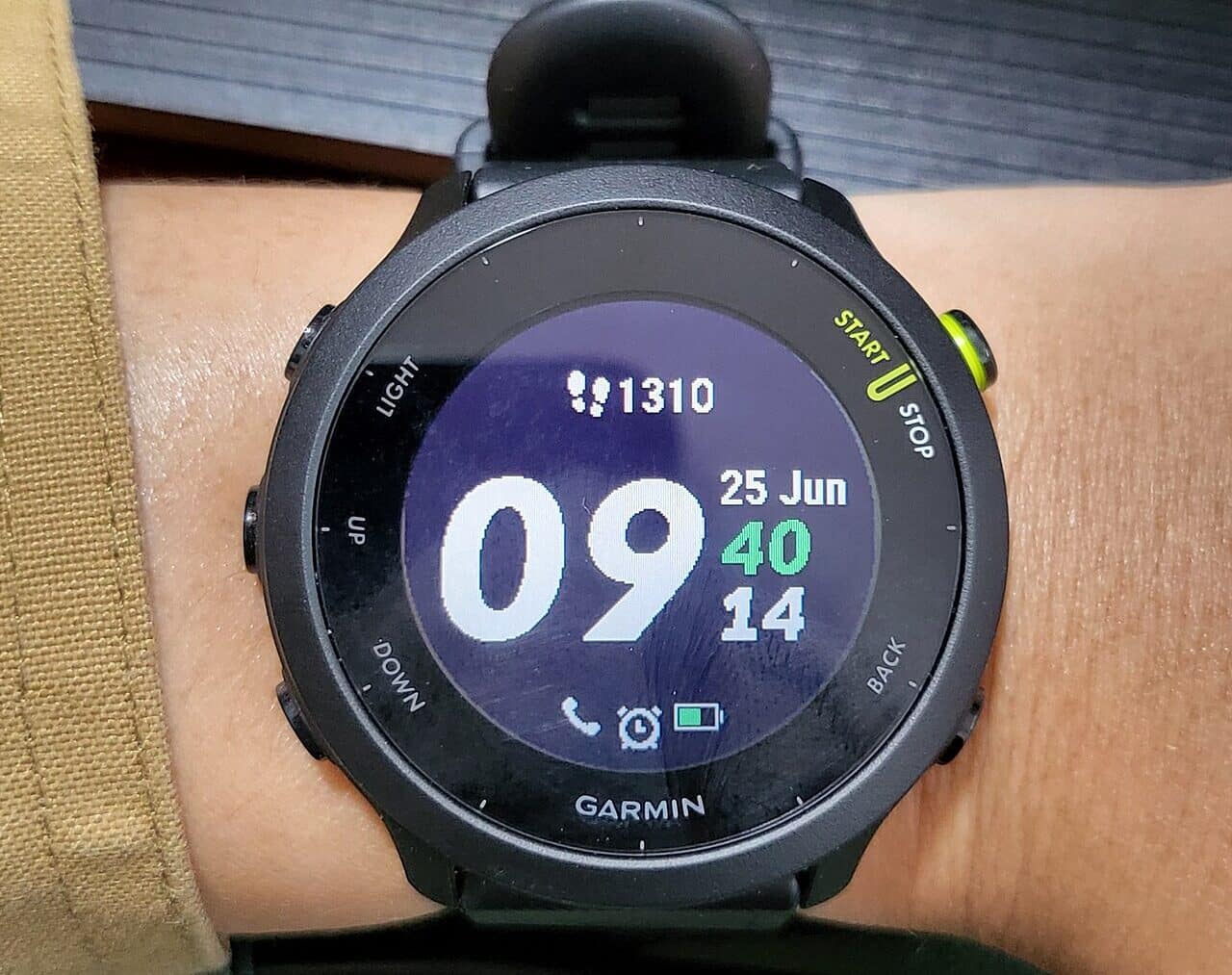
A runner finishes a cold morning loop and taps the watch face, expecting the usual tidy summary of pace and heart rate.
Instead a banner appears where the data used to be.
It asks for a credit card upfront before the rest of the screen will load.
The watch itself never left the wrist all year.
But the year in review it was quietly built toward now waits behind a locked door.
That door is where this story actually begins.
Why a finished gadget keeps asking for more money
The mechanism is simple once you see it: the sensor hardware inside a modern running watch is sold once, but the software layer that turns raw numbers into something meaningful is treated as a separate, ongoing product. A company can ship a watch with every chip it will ever need, then decide months or years later which calculations get a monthly toll gate.
That is exactly what happened when one major watchmaker rolled out an end of year summary feature this season. The hardware had tracked every run, swim and heart rate spike all along.
Yet the new year-in-review feature, called Garmin Rundown, is available exclusively to subscribers of the paid Garmin Connect+ service, which costs $6.99 per month or $69.99 per year, and the decision to place Rundown behind a paywall has led to discontent across online fitness communities.
So the watch did its job all along. It logged the miles, tracked the sleep, counted the heartbeats. The part withheld was simply the recap, the one emotional payoff the whole year of data was building toward, and the fact that such a simple feature is now only available via a subscription is causing frustration among Garmin users.
The scene inside a runner’s routine once the paywall shows up
Picture the everyday device that made this trend visible in the first place: a wrist based fitness tracker, not a phone, not a laptop, the single gadget people strap on before they even brush their teeth. For years the promise was straightforward, buy the hardware once and own everything it measures.
That promise has been quietly renegotiated. A similar pattern shows up on a rival smartwatch line, where more features sit locked behind subscriptions, whether run by the maker itself or a necessary third party app.
The device still tracks steps and sleep without issue. It is the deeper interpretation of that data, the coaching layer and the AI generated insight, that increasingly needs a separate login.
Reviewers have noticed too. Some now rank devices specifically on whether core health and workout data remain outside the paywall, treating a fully unlocked watch as the unusual choice rather than the default one.
What the companies themselves say when pressed on it
None of this is guesswork or a forum rumor, since the companies involved have confirmed the structure publicly. The company’s own announcement states that Connect+ users can check out their own highlight reel, the Garmin Connect Rundown, available now in the Garmin Connect app as a personalized annual report covering steps, sleep score and activity totals, laid out plainly rather than hidden in fine print.
Because the subscription bundles several tools together, the free version of the watch is never technically broken. It simply narrows.
Separate reporting on a different brand, the WHOOP band, found that WHOOP sells every option as a membership with the device included, so there is no subscription-free way to buy WHOOP from WHOOP. So the pattern repeats across more than one manufacturer, which is the detail that turns an isolated complaint into a real industry trend.
That last point is the quiet sting for longtime hobbyists. A watch already resting on someone’s wrist today can lose ground to a model introduced after the sale, with no hardware changing at all.
Where this breaks down and who it does not touch
Even so, the picture is not uniform across every brand, and that complication is worth stating plainly. Some companies have drawn a visible line between basic health metrics and premium extras, keeping the former free on principle.
One entry level band keeps its core numbers open. Starting at $100 for the band, it undercuts rivals by a significant margin, and buyers don’t have to subscribe at all, though Google offers a far cheaper subscription fee for access to its premium features, charging $10 per month or $100 per year for Google Health Premium, which unlocks the Gemini-powered AI assistant that analyses sensor data in the context of a user’s stated goals and provides coaching recommendations.
A wrist tracker from another maker goes further still. Garmin’s own entry-level bands follow the same pattern as its flagship watches: Garmin watches don’t need a subscription for heart rate, GPS, sleep, workouts or the Garmin Connect app, and Garmin Connect+ remains optional, so the upfront investment unlocks the core experience without any recurring charge.
So the catch is not universal. It is a business choice some makers have made and others have deliberately avoided, and shoppers who research first, the same instinct that helps people spot a hidden markup on a hotel booking, can often dodge the worst version of it entirely.
What it means for anyone eyeing a watch this winter
None of this makes a running watch a bad purchase. The devices still do the fundamental job well, tracking pace, heart rate and sleep without any paywall standing between the wearer and the raw numbers.
The catch sits specifically in the layer built on top, the polished summaries, the guided coaching and the shareable recaps that make the data feel worth celebrating. That distinction is exactly what a careful buyer should check before paying full price this holiday season.
Reading the support page before checkout, the same habit that helps shoppers compare notes the way hobby communities swap advice on gear, now matters as much for a watch as it does for a car.
For now the hardware itself remains yours outright the day you buy it. It is only the story the watch tells about your year that increasingly needs a separate invitation.
