A major energy crisis has hit Iraq following a power outage caused by a failure at the Hamidiya power plant in the western part of the country. The problem was exacerbated by an extreme heat wave in the region, which raised temperatures in Baghdad to 47°C. This situation further intensified the impact of the blackout in the central and southern regions of the country.
Power restoration begins after blackout
Major oil producer Iraq began gradually restoring power on Monday, the state news agency reported citing the electricity ministry, after a power outage hit central and southern regions of the country. Electricity ministry sources had told Reuters earlier a sudden shutdown at the Hamidiya power plant in the western province of Anbar led to a fault in the electricity transmission network. The temperature in the capital Baghdad reached a high of 47 degrees Celsius on Monday.
“An emergency power outage occurred this afternoon in the power transmission lines, causing widespread outages across the national electricity grid. Our technical teams are currently working to address the fault and restore power. They have begun gradually restoring power, and service will be fully restored within the coming hours.” Mohammed Nehme, electricity ministry undersecretary for production affairs, said in a statement later.
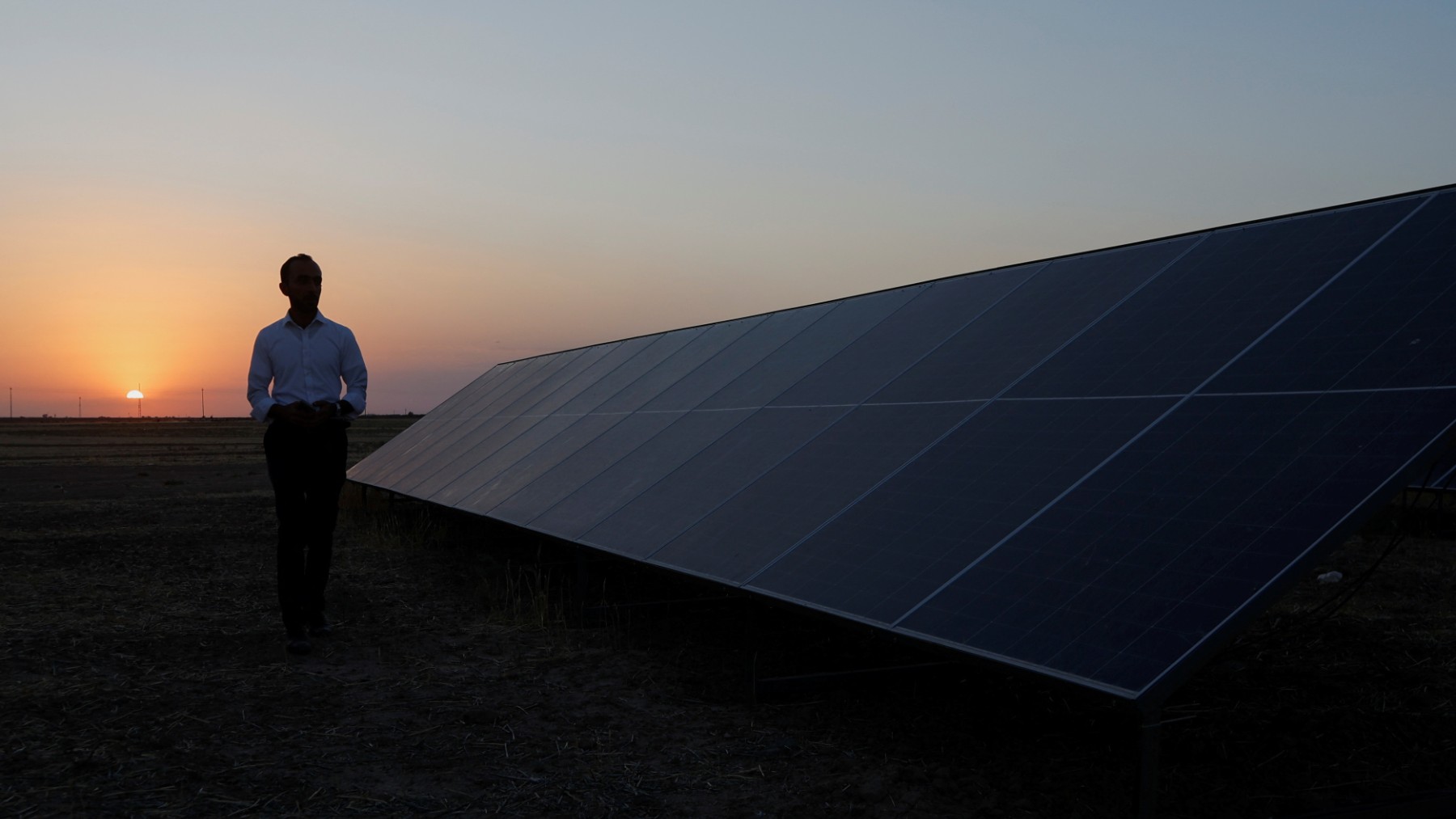
The chair of Iraq’s parliament energy committee said in a statement that the outage did not affect the semi-autonomous Kurdistan region. Many Iraqis for years have relied on privately operated generators for power as government-provided electricity was only intermittently available. Some others have turned to solar power to help cover their electricity needs. The oil ministry could not immediately be reached for comment. The electricity ministry said it was working in “full emergency mode” to restore power, the state news agency reported.
Iraq’s energy infrastructure is weakened by external dependence
Iraq faces structural difficulties in guaranteeing energy to its population, a problem that has plagued the country for some years, specifically since the fall of Saddam Hussein in 2003. The lack of adequate investment and management problems in the country are factors that have compromised the capacity of the electricity grid, which still depends heavily on natural gas imports from Iran, making the system vulnerable to shocks and political pressures.
A member of the Organization of the Petroleum Exporting Countries, and one of the world’s leading oil producers, Iraq has struggled to provide its citizens with energy since the 2003 U.S.-led invasion that toppled Saddam Hussein. In the ensuing turmoil, under-investment and mismanagement have left the national grid unable to cope with demand.
Protests and social tension rise amid energy crisis and extreme heat
Hundreds of Iraqis protested in Baghdad in the summer of 2021, when power and water cuts gripped large parts of the country as temperatures exceeded 50 degrees Celsius. In March, U.S. President Donald Trump’s administration rescinded a waiver that had allowed Iraq to pay Iran for electricity, as part of Trump’s “maximum pressure” campaign against Tehran. Iraq is heavily dependent on Iranian natural gas imports to generate power.
Frequent power and water outages have already sparked protests and public dissatisfaction. The current situation is reminiscent of 2021, when temperatures above 50°C (122°F) exacerbated the suffering of citizens. The US government’s recent decision to revoke Iran’s electricity payment permit further intensified the local energy crisis.
Extreme pressure amid climate crisis
Technical teams have been called in to work on emergency grid repairs, as the country seeks to gradually restore power. Meanwhile, the population is increasingly turning to private generators and solar energy to meet their basic needs.
The situation in Iraq is alarming and highlights the country’s real challenges in modernizing and strengthening its energy infrastructure. This shift is crucial for the country’s social and economic stability, especially given the dire impacts of climate change and regional geopolitical tensions.
GCN.com/Reuters
