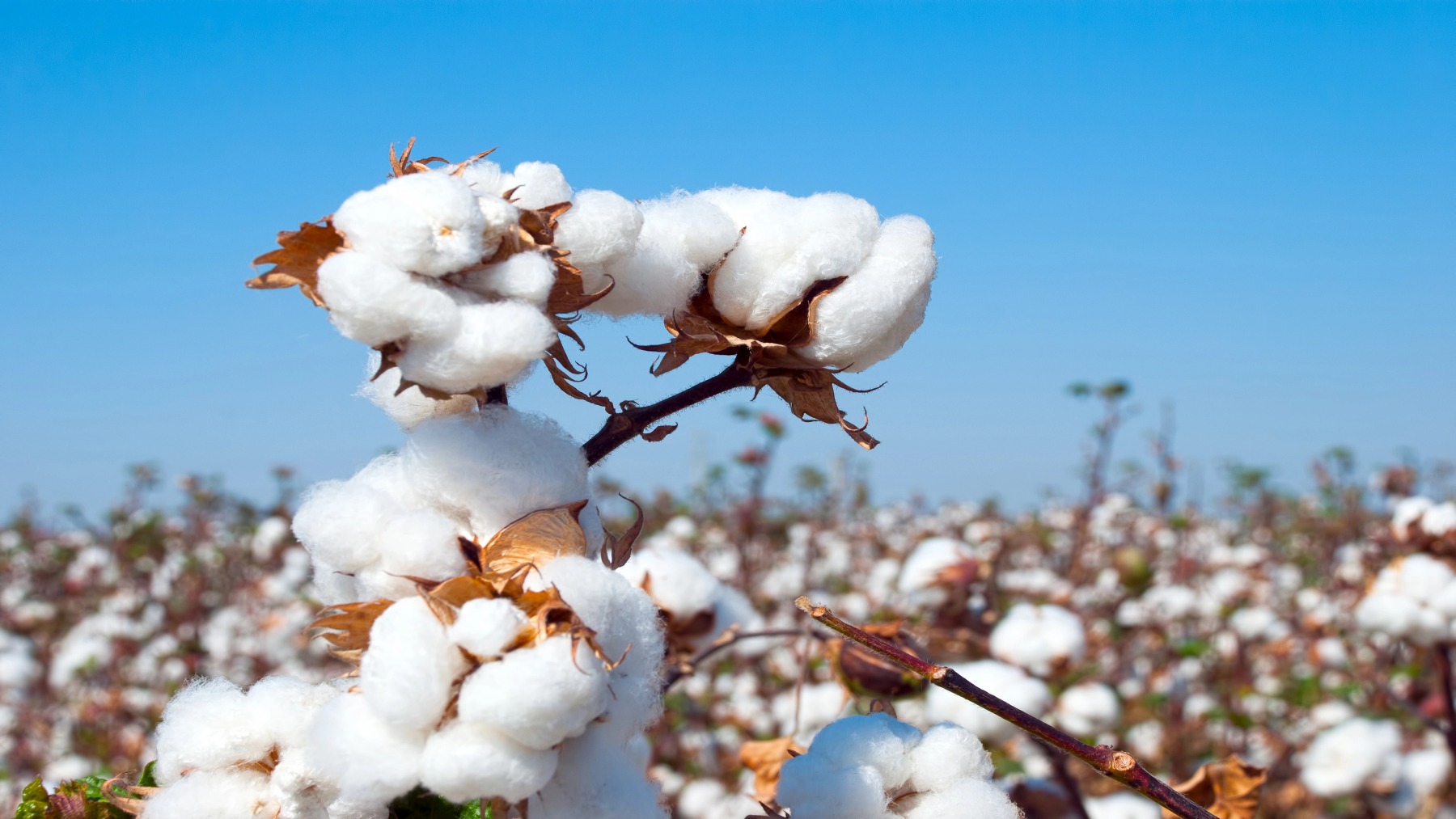
India’s strategic suspension of its 11% cotton duty represents a calculated diplomatic gesture toward Washington while providing critical relief to its embattled textile industry facing devastating US tariffs. This temporary measure, effective until September 30, demonstrates New Delhi’s willingness to address American agricultural concerns even as bilateral trade negotiations remain stalled and punitive tariffs threaten India’s export competitiveness.
India’s cotton duty suspension addresses both domestic and diplomatic pressures
The timing of this decision coincides with India’s textile sector confronting unprecedented challenges from Trump’s escalating trade war, which has doubled tariffs on Indian goods to 50% and forced exporters to scramble for alternative markets.
India has suspended an 11% import duty on cotton until September 30, in a move seen as a signal to Washington that New Delhi is willing to address U.S. concerns on agricultural tariffs, while also easing pressure on its garment industry.
The temporary suspension, announced late on Monday, could benefit U.S. cotton growers and provide relief to India’s apparel sector, which faces tariffs of nearly 60% on shipments to the United States from later this month.
A planned visit by U.S. trade negotiators to New Delhi from August 25-29 has been called off, delaying talks on a proposed bilateral trade agreement and dashing hopes of relief from an additional 25% U.S. tariff on Indian goods from August 27.
Trump’s tariff escalation threatens India’s textile export competitiveness globally
President Donald Trump earlier this month announced an extra tariff on Indian goods as punishment for New Delhi’s purchases of Russian oil, doubling the total duty to 50% on U.S. imports of Indian goods from later this month.
Indian exports had previously faced levies of 0-5%, with duties on some textiles ranging between 9% and 13% before Trump raised tariffs in April.
The United States is the biggest market for India’s garment exporters, who say steep tariffs are leading to order cancellations and making them uncompetitive against Bangladesh and Vietnam, which have U.S. duties of 20%, and China at 30%.
What the cotton import relief means for India’s struggling manufacturing sector
“The largest beneficiary of the duty-free import will be the U.S., the second largest supplier to India,” said Ajay Srivastava, founder of Global Trade Research Initiative, a New Delhi-based think tank, adding India already allows duty-free cotton imports from Australia within a quota.
Cotton imports more than doubled to 1.2 billion in the 2024/25 fiscal year to March, from 579 million a year earlier, led by 258 million from Australia, 234 million from the United States, 181 million from Brazil, and 116 million from Egypt, Srivastava said.
The sharp rise in U.S. tariffs comes just as India was emerging as a stronger alternative for American garment buyers, with Bangladesh facing political uncertainty and companies seeking to diversify supply chains beyond China.
Industry bodies such as the Confederation of Indian Textile Industry (CITI) had urged the government to scrap the cotton import duty to help make the sector more competitive.
This temporary relief may not solve India’s fundamental trade challenges
Reuters earlier reported that some Indian exporters were scrambling to explore manufacturing options overseas to offset the impact of the higher tariffs.
India’s garment sector was already grappling with a labor crunch and limited production capacity. The prospect of exporters relocating production abroad poses a further challenge to the government’s “Make in India” manufacturing drive.
India’s cotton duty suspension provides only temporary relief for a textile industry facing structural challenges that extend far beyond raw material costs and trade disputes. The threat of Indian manufacturers relocating production overseas to avoid US tariffs undermines the government’s flagship “Make in India” initiative and could result in permanent job losses in labor-intensive sectors that employ millions of workers. While the duty-free cotton imports may reduce input costs marginally, they cannot address the fundamental competitiveness gap created by 50% tariffs that make Indian products prohibitively expensive for American consumers.
GCN.com/Reuters
