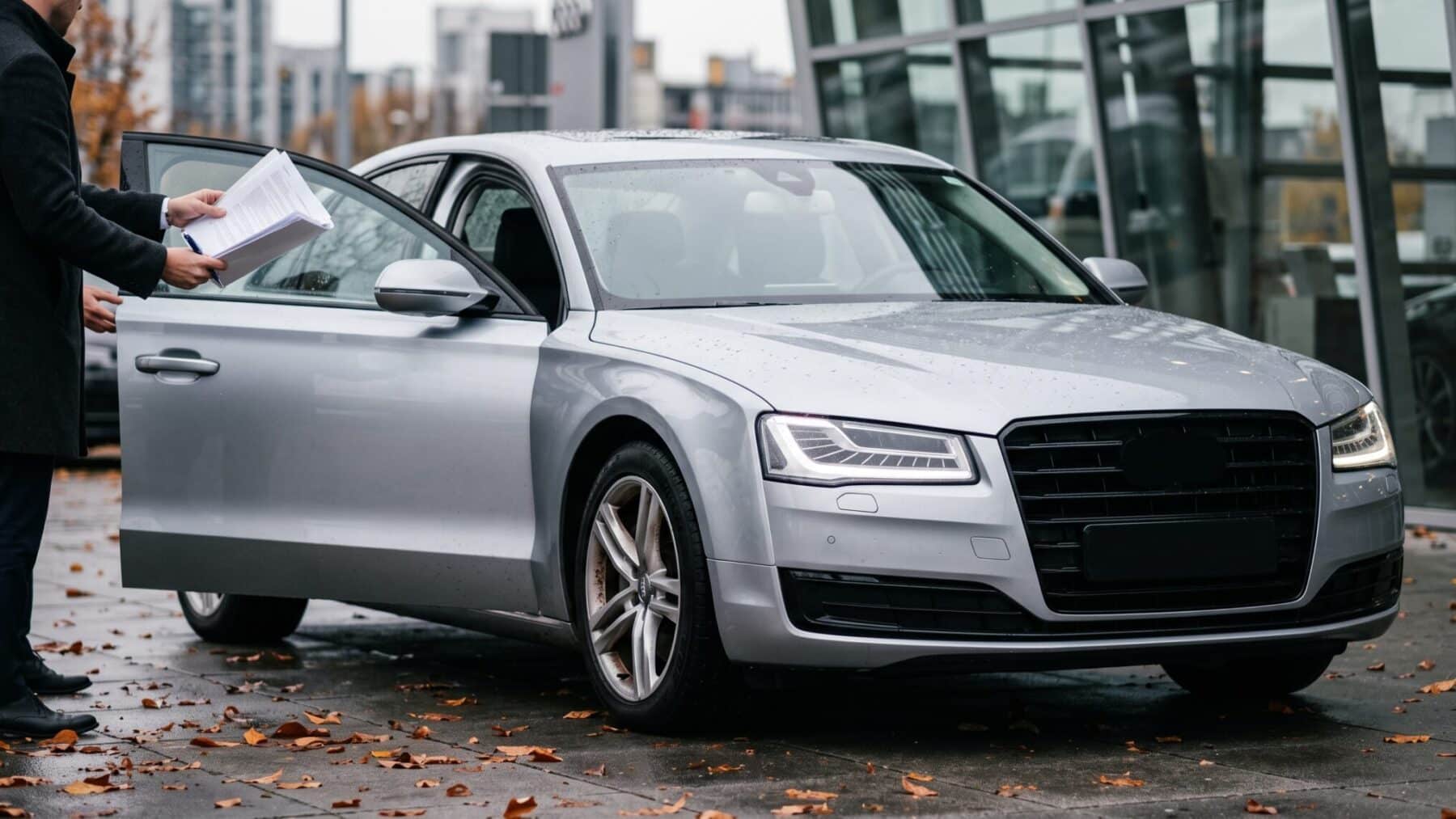
Audi is raising sticker prices on most of its 2026 model-year lineup sold in the United States, with increases ranging from $800 on the Q4 E-tron to $4,700 on the S8 sedan, as sustained Section 232 tariffs on imported vehicles and parts force the German brand to pass costs on to buyers after months of absorbing them internally.
What is changing on the window sticker
Audi has raised prices across most of its lineup for 2026, with price hikes ranging from $800 to $4,100 depending on model and trim, with the S8 sedan seeing the largest single increase at $4,700. The A3 compact sedan now starts at $41,395, up $1,900, while lower-volume performance models such as the RS 6 Avant and RS 7 see hikes of $4,100.
Along with the price hikes, Audi is offering free Audi Signature Care Scheduled Maintenance with the purchase or lease of a 2026 model-year vehicle, covering new-vehicle scheduled services in the first three years or 30,000 miles of ownership.
While the maintenance coverage provides some added value, analysts note that the cost of scheduled maintenance in the first three years is generally lower than the increases.
The White House enacted 25% tariffs on new cars and car parts in April 2025, significantly raising what it costs automakers to put vehicles in showrooms; prior to April, most automakers paid just 2.5% in tariff costs. Automakers and their dealers had largely absorbed the increase, with the average new-car buyer paying just 1.5% more in July 2025 than a year before. However, the White House has since locked in long-term trade deals holding tariff rates at 15% with much of the world, and now that they know tariffs are here to stay, many automakers have begun to say they will need to raise sticker prices.
Industry-wide pricing pressure
Audi’s hikes are likely more substantial than those of some rivals because the brand has no US production, unlike competitors such as Mercedes-Benz and BMW, which both have strong American manufacturing footprints.
Domestically assembled vehicles are also affected, since no US-made car uses entirely domestic parts.
Automotive tariffs imposed under Section 232 of the Trade Expansion Act of 1962 remain in effect, preserving upward pressure on vehicle pricing and manufacturer cost structures, particularly for import-heavy brands and models dependent on globally sourced components.
Manufacturers catch up after absorbing costs
Despite the price hikes, Audi’s move to include prepaid maintenance is seen as a strategy to maintain customer satisfaction and justify the higher costs. The broader industry context shows that automakers are grappling with rising tariffs and are beginning to pass these costs on to consumers, signaling a shift in pricing strategies as 2026 models hit the market.
Toyota reported a 19% decline in annual net income after US tariffs reduced operating income by approximately $9 billion, according to results for the fiscal year ended March 31, 2026. The company said tariffs were the single largest factor affecting profitability and warned that business conditions remain challenging heading into the next fiscal year. That profit squeeze has accelerated the industry’s transition from absorbing tariff costs to reflecting them in retail prices.
With a substantial inventory of leftover 2025 models still sitting on dealer lots, manufacturers are offering incentives including 0% financing deals and cash rebates to move inventory. That overhang is giving buyers some negotiating room even as base MSRPs on 2026 units rise.
The dynamic mirrors what analysts described when over 300,000 electric cars flooded used lots this year, pushing off-lease EVs to bargain prices at the same time new-car stickers climbed.
What buyers should watch for
When a manufacturer quietly pulls an incentive that existed six months ago, that is often a tariff-related margin recovery that is not reported as a price increase, according to automotive pricing analysts. Buyers focused only on the sticker price can miss the real cost increase hidden in reduced support programs.
Early tariff announcements triggered short-term demand acceleration, but that activity has since normalized, leaving dealers navigating reduced incentives, tighter affordability, and more value-focused shoppers. Those conditions directly affect showroom availability, pricing flexibility, and selling strategies.
With long-term 15% tariffs locked in, Audi’s move signals a broader industry trend that could affect dealer pricing and buyer expectations. For shoppers, it is a clear indicator that the window of manufacturers absorbing tariff costs quietly has largely closed for the 2026 model year.
The trend has also reshaped how buyers approach vehicle choices. Many manufacturers are compensating for the loss of federal EV purchase incentives with lease offers and financing deals to keep electric vehicle sales moving.
Buyers prioritizing value have gravitated toward conventionally powered and hybrid options, a shift reflected in hybrids grabbing a record 16 percent of new US car sales in the second quarter of 2026.
