A parking lot sat nearly empty for two straight years.
This month it is full again, with workers walking back through gates they thought might stay shut for good.
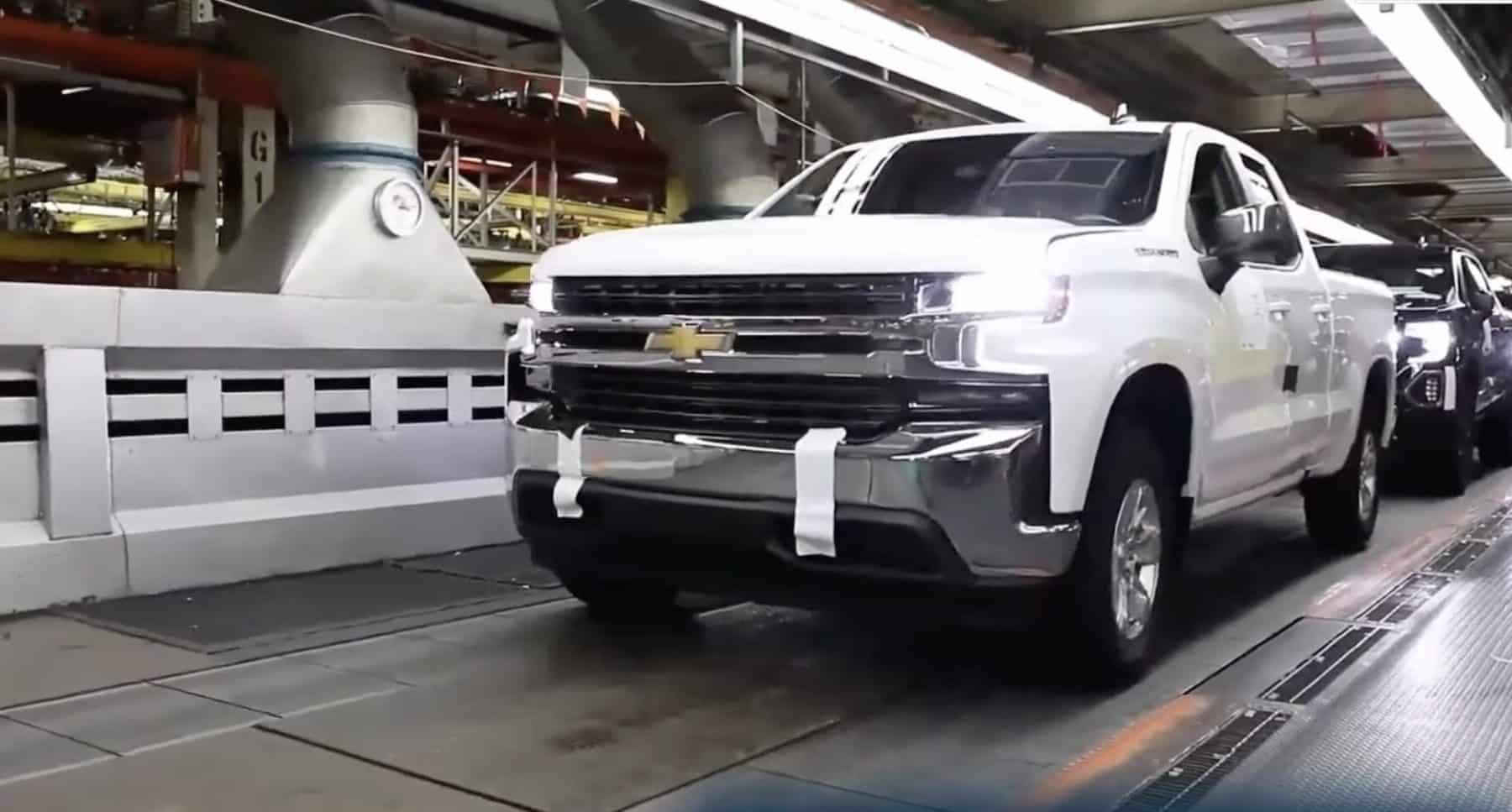
Inside, a stamping shop presses body panels that did not exist here before, and trucks are already rolling onto car carriers bound for dealers in two countries.
None of it looks like what this factory was first supposed to build.
So what changed, and why did getting here cost so much more than anyone first said?
Why a flexible factory promise almost never survives contact with a real product switch
The pitch behind nearly every modern retooling announcement is the same: a single line, built once, that can swap between gas, hybrid and electric models with minimal lost production. In theory a flexible body shop and paint line let an automaker chase demand wherever it moves, without building a brand new plant every time a product changes.
That promise is real on a working line. But it assumes the automaker is only swapping similar products across the same basic architecture, not ripping out an entire planned powertrain and starting over with different tooling and a different stamping process entirely.
That is what happened at Oakville. Ford plans to invest approximately $3 billion to expand Super Duty production, including $2.3 billion to install assembly and integrated stamping operations at Oakville Assembly Complex, and when complete, Oakville Assembly Complex will be a fully flexible plant , a reversal that pushed costs far beyond the original estimate into something closer to a second, overlapping construction project.
A flexible line absorbs small shifts gracefully. It does not absorb a full product direction change without real cost in time and money.
Inside the two year gap between announcement and actual trucks on the line
The numbers trace the gap plainly. Ford plans to invest approximately $3 billion to expand Super Duty production, including $2.3 billion to install assembly and integrated stamping operations at Oakville Assembly Complex , with a target to add production of up to 100,000 units of Super Duty production .
Even that early figure moved before ground was fully settled. Ford was pitching a different angle in April 2023 when it announced plans to spend $1.34 billion to transform the Oakville facility in Canada into an assembly plant for its next generation of EVs , before that plan was scrapped entirely for the gas truck pivot.
Then the retooling itself stretched on. Ford’s Oakville plant, which used to make the Edge, closed in 2024 to be retooled for an electric car, before Ford scrapped that plan amid slowing demand for EVs and began work to make the trucks instead.
So the clock reset almost entirely. Ford Motor Co.’s plant in Oakville, Ont., shuttered for more than two years, has reopened to make heavy-duty pickup trucks, and Ford spent $5 billion on the plant, retooling the assembly line and building a new stamping shop on site for body panels , and only now are thousands of workers back on the job after the long gap.
How a flexible factory story becomes a cost story once suppliers get involved
This is where the pattern becomes clear through official figures. Ford is spending Cdn $5 billion to build Super Duty pickups at its Oakville Assembly Plant, up considerably from the $4.1 billion the company shared in 2024 when it disclosed plans to extend F-Series production to Canada , well beyond the original $3 billion figure tied to the 2024 pivot announcement.
That spending covers more than new robots. According to Ford’s own announcement of the Oakville transformation, in under two years, Ford rebuilt manufacturing operations across Oakville Assembly Complex, from body and paint through final assembly, and added its first stamping facility in Canada , a facility the plant never had before this project began.
Public money followed the private spending. Ford said that retooling the Oakville plant for this purpose would cost it around $4.1 billion CAD, though $464.5 million of those funds will come from an enlarged government grant .
That is the quiet catch behind every flexible factory headline. The flexibility is real once the line is running, but getting there after a product reversal can cost over a billion dollars more than first announced.
Where the flexible promise still falls short for the workers waiting on it
None of this means the retooling failed. Nearly C$5 billion investment brings Ford’s first stamping operations in Canada to Oakville Assembly Complex and supports more than 2,000 production and skilled trades jobs , and trucks are shipping to dealers on both sides of the border already.
Yet the jobs promise moved too, and so did the math behind it. Government officials originally pointed to boosting Super Duty assembly initially securing approximately 1,800 Canadian jobs at Oakville Assembly Complex , a figure that undercounts the roughly 2,000 workers now actually back on site.
Workers absorbed the real cost in the meantime. Those workers were originally expected to be laid off for a matter of months during the retooling process, but the plant shuttered for more than two years before anyone returned to the line.
That kind of delay is not unique to one plant. A similar flexible retooling push at a Michigan factory, detailed in GCN’s report on a Michigan stamping press swap, shows how even fast tooling changes hinge on a supply chain staying on schedule.
What the Oakville story means for the next flexible factory announcement
So the lesson is not that flexible manufacturing is a myth. Once running, a well built flexible line genuinely does let an automaker build different powertrains without stopping the conveyor, the way newer assembly systems elsewhere are already demonstrating.
But a number attached to a retooling announcement rarely survives a major product reversal intact. Oakville’s own history, from an electric vehicle plan to a gas truck pivot, shows how one strategy change can turn a flexible factory pitch into a years long rebuild.
Even the output numbers carry fine print. The decision to add production of up to 100,000 units of Super Duty production to Oakville is planned capacity, not trucks already built.
That is why the next flexible factory headline deserves the same question this one earned. A related push toward faster builds, covered in GCN’s look at a Kentucky prototype assembly line, suggests the industry keeps searching for flexibility that does not require a multibillion dollar reset every time the plan changes.
