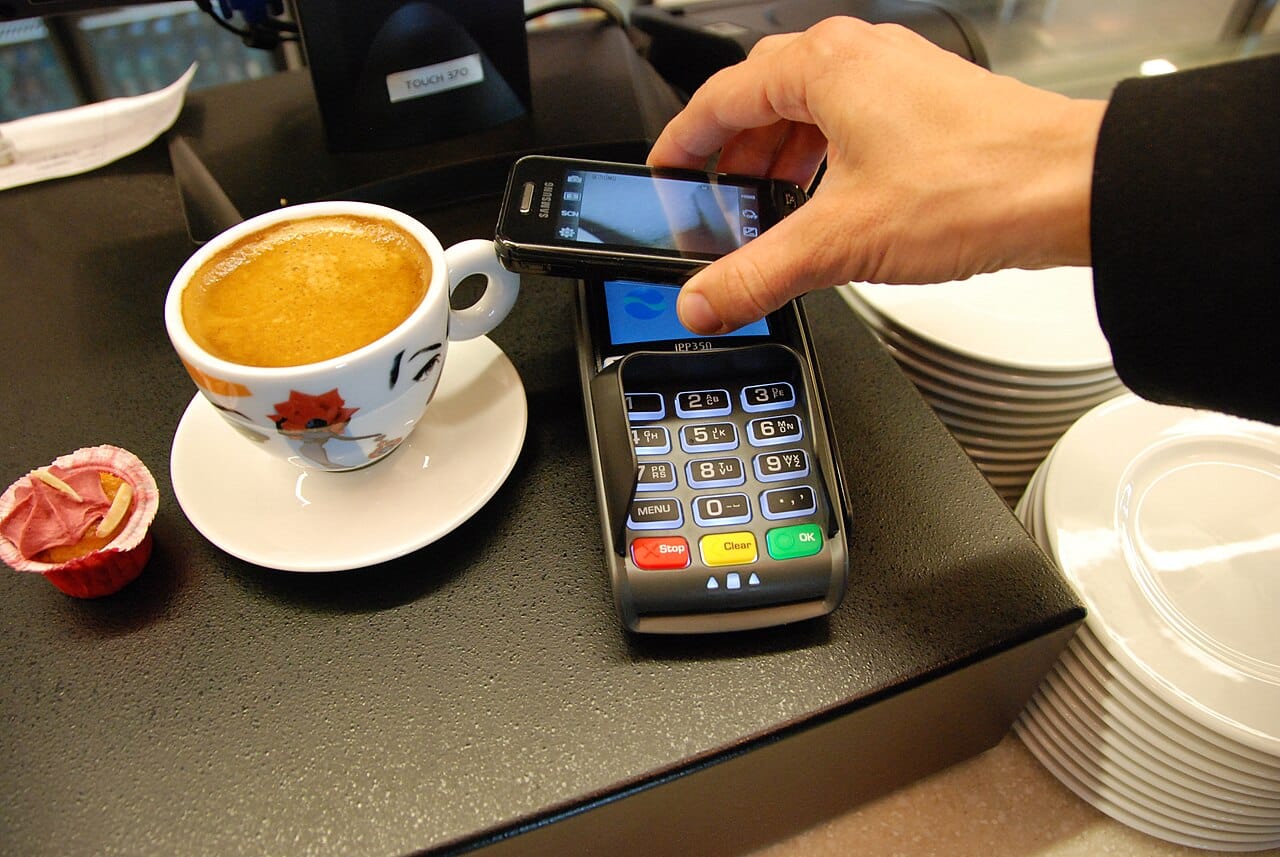
Digital wallets are quietly pushing Americans past their holiday budgets. A new survey finds that 41 percent of U.S. consumers overspend during the holidays because payment tools like Apple Pay and Google Pay make buying feel effortless, according to a poll of 1,003 adults by financial marketplace Credible.
The survey’s key findings
Some 41 percent of U.S. consumers say they lose track of their holiday budget and spend more than they intended because digital payments such as Apple Pay and Google Pay make buying feel easier, according to a survey of 1,003 adults by financial marketplace Credible.
The survey shows 51 percent made digital purchases they wouldn’t have made with cash or physical cards, with a third saying digital payments make spending feel less real.
The pattern lines up with how researchers describe the underlying psychology of cashless transactions. A separate 2025 paper posted to the Social Science Research Network examines how frictionless digital payments dissociate financial outflows from physical cash constraints, disproportionately escalating non-essential consumption , building on the academic concept of “Spendception.”
Why the tap feels painless
Academic researchers have been documenting this effect for several years. A peer-reviewed analysis published through the National Institutes of Health’s PMC archive, titled “Spendception,” examined how digital payments reshape consumer behavior.
Spendception reflects the reduced psychological resistance to spending when using digital payment methods, as compared to cash, due to the diminished visibility of transactions and the perceived ease of payments.
The study found that Spendception greatly boosted consumer purchase behavior, with impulse buying partially mediating the relation.
Credible’s findings add specific context on why that gap matters heading into the busiest shopping weeks of the year. Experts note emotional states, peer pressure, and urgency tactics like flash sales also drive overspending.
Those pressures compound when the payment method itself removes the visual or physical cue of money leaving a wallet.
A broader pattern across holiday surveys
Credible’s numbers echo similar findings from other holiday spending surveys released this month. A separate BMO survey, based on an Ipsos survey of 2,500 US adults conducted between 31st August and 6th October , found that shoppers who buy through social media platforms are especially prone to losing track of spending.
The survey found that 67% of people shopping directly through social platforms admitted they lose track of their spending.
The same BMO research also tied digital-first shopping habits to bigger budgets overall, noting that Americans planning to use AI for Christmas shopping expect to spend $2,745, compared with $1,643 for non-users.
The results show an association between digital shopping habits and higher spending, rather than establishing that AI or social media directly causes consumers to spend more.
The findings arrive as household budgets remain stretched. Pew Research Center reported this fall that a large share of Americans have already pulled back on spending to cope with higher costs, a trend that extends into how families approach gift-giving and holiday budgets this year.
What it means for shoppers
For retailers, the convenience of tap-to-pay and stored card numbers has become a reliable driver of sales during the holiday rush.
For consumers, the same convenience appears to be eroding the mental guardrails that once came with handing over cash or swiping a physical card.
The overlap between easy checkout and loose budgeting also connects to other spending patterns GCN has tracked this season, including how installment payments reshape purchases by breaking costs into smaller, less visible pieces.
Both trends point to the same underlying shift: as friction disappears from paying, so does the instinct to stop and think before buying.
Credible did not immediately respond to a request for additional comment on the survey’s methodology beyond the figures published in its release.
