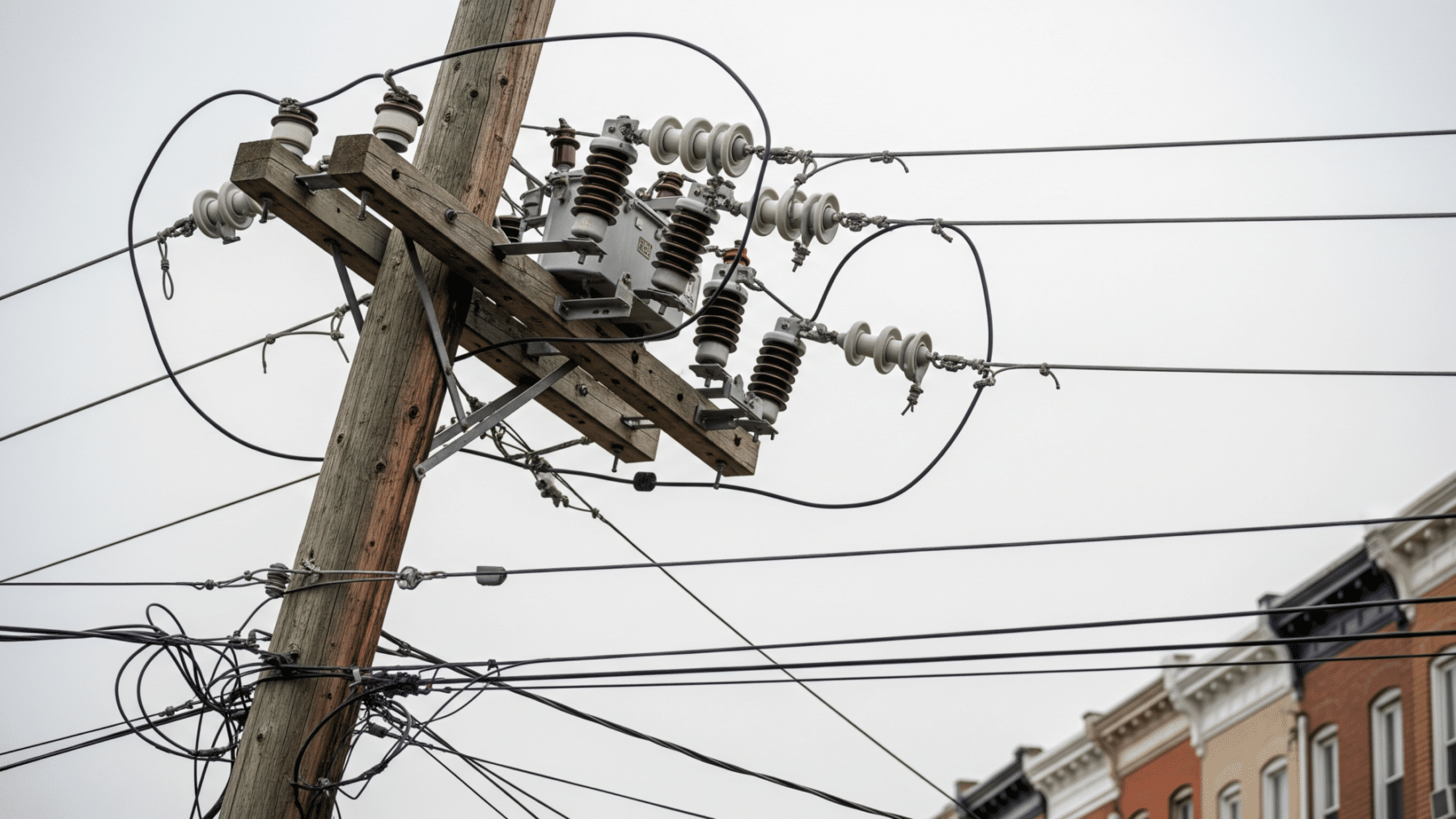
Baltimore Gas and Electric Company has filed a rate case with the Maryland Public Service Commission, seeking a $156 million electric rate increase based on a return on equity of 10.4 percent. BGE serves 1.3 million electric customers across eight counties and Baltimore City, and the proposal would add an estimated $8 a month to the average customer’s electric bill.
What BGE is asking for
The utility says the additional revenue is needed to maintain the integrity of its electrical system and continue providing safe, reliable service to its customers in Maryland. In its press release announcing the $156 million rate increase request, BGE said the figure is the minimum level of investment the company believes is necessary to maintain a “safe and reliable” system.
BGE president and CEO Tamla Olivier said: “Nothing matters more to our customers right now than affordability. We heard clearly that customers are feeling pressure from rising costs across every aspect of their lives. That’s why we delayed this filing, took a hard look at our plans, and reduced investments to only the bare-bones maintenance the system needs.”
The filing also includes a proposed BGE FlexPay program that would allow eligible customers to prepay their anticipated energy use.
A new law reshapes the case
The rate case was filed as a historic test year case, a new requirement under the Maryland General Assembly’s landmark energy policy overhaul of 2026. Previously, Exelon utilities had been utilizing forecast test years, which allow companies to make a case for what they think they’ll spend in the coming years and adjust rates accordingly.
The new law imposes a one-year moratorium on forecast test years while the PSC studies whether a historic, forecast, or hybrid model best protects ratepayers. It also bars utilities from returning to the PSC to recover extra costs after spending more on building or renovating transmission infrastructure.
In BGE’s most recent electric distribution rate case, the PSC approved a return on equity of 9.5 percent, below the 10.4 percent the company is again requesting.
The Maryland PIRG Foundation argues that BGE’s electric delivery rates have doubled since 2010.
Regulators slow the clock, advocates prepare to challenge
BGE had sought to begin collecting higher rates starting August 1, but Maryland’s Public Service Commission says it will review the proposal in January 2027, meaning rates will remain unchanged until then. The PSC says a final decision on BGE’s application is expected in January 2027, and electric rates will remain unchanged until then.
The PSC’s first public hearing on the BGE request is scheduled for later in August. The Maryland Office of People’s Counsel, an independent state agency that advocates for utility customers, has announced plans to challenge the proposal.
Commission Chair Kumar Barve said the focus during the PSC’s evaluation will be on “delivering a decision that is both just and reasonable, while safeguarding the affordability of vital electric services for ratepayers.”
The rate case does not include a utility bill increase for gas customers.
Part of a broader rate-case wave
The BGE filing lands amid a wide surge in utility rate requests before state commissions nationally. According to GCN’s tracking of rate case filings, as of August 2026, 57 electric and gas utilities across 48 states have filed rate increase requests with their respective state regulators. The average utility is seeking a 13.2 percent increase worth roughly $208 million, affecting a combined 125.1 million residential and commercial customers.
The BGE case echoes filings already under review in other states, including a $26.7 million request from Black Hills Corp. in southern Colorado and a 14.5 percent hike sought by Montana-Dakota Utilities for nearly 95,000 North Dakota customers.
Under standard regulatory procedure, utilities cannot raise prices unilaterally; they must file an application with their state’s public utility commission, provide detailed financial justification, and wait through a review process that typically takes six to eighteen months.
BGE said its current rates expire at the end of 2026 and that it is required to file a rate case before 2027. The application has been docketed as Case No. 9888, where testimony and other filings by parties in the case may be viewed on the Maryland PSC’s website.
