
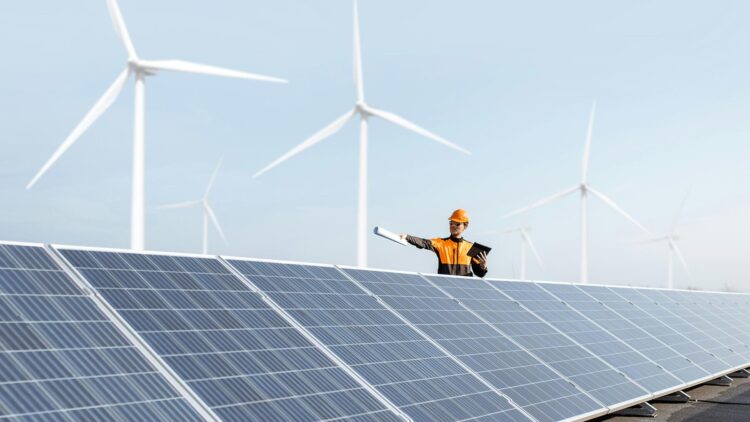
Norwegian energy giant Equinor has achieved a groundbreaking milestone in renewable energy development with the launch of its innovative power generation facility. The company’s Brazilian operations have successfully integrated cutting-edge solar technology with existing wind infrastructure, creating a revolutionary approach to sustainable energy production. This strategic development represents a significant advancement in hybrid renewable energy systems, demonstrating Equinor’s commitment to diversifying beyond traditional fossil fuel operations.
The Serra da Babilônia plant combines the use of different energy sources
Equinor’s Brazilian subsidiary, Rio Energy, has launched commercial operations at its 140MW Serra da Babilônia solar park in the state of Bahia. The solar energy plant has taken strategic advantage of the existing location of its 223MW Serra da Babilônia wind farm. The sharing of infrastructure helps in lowering costs associated with constructing different renewable energy sources in different geographical sites.
The hybrid system benefits from the complementarity of the solar and wind resources in terms of the patterns of power production at different times and seasons. Solar systems produce the most power during daylight hours, and the wind turbines, in turn, produce the most power during the evening and nighttime. This complementarity ensures that the intermittency associated with the other source is overcome.
The sharing of infrastructure provides great cost savings benefits
The infrastructure developed for the wind energy project is now being utilized for the support of both renewable energy sources, thereby obviating the need for repeated investments in the transmission and grid connection of the integrated energy project. The joint project can also utilize the maintenance activities of both technologies, thereby developing efficiencies in operations and decreasing costs for the energy project.
Equinor’s first hybrid project marks strategic energy transition
The Serra da Babilônia project is Equinor’s first foray into the world of hybrid renewable energy technology, boasting a cumulative power generation capacity of 363 MW through the combination of solar and wind energy solutions. This historic project showcases the Norwegian energy giant’s determination to venture out of its comfort zone and explore the world of sustainable energy solutions, going beyond its conventional oil and gas business model. It will produce enough power to supply 143,000 Brazilian households.
Equinor acquired Rio Energy in the year 2023, and this acquisition allowed it to enter the growing market in Brazil with experience in the last ten years. The acquisition involved an operational wind farm and development projects in the field of renewable energy resources in Brazil. Rio Energy is Equinor’s entry point for developing onshore renewable power in South America.
Stable grid systems boost hybrid technologies adoption
The hybrid plant helps meet Brazil’s increasing power requirements while ensuring that the power grids remain stable due to predictable patterns of renewable power production. The conventional forms of renewable energy production experience intermittency issues that may cause strain on power grid infrastructure, which is not the case in hybrid power production models. The Serra da Babilônia project is one of those that leverage hybrid models of renewable energy production to improve energy security without relying on fossil fuel power backup infrastructure.
“Hybrid projects that combine solar and wind solutions contribute positively to having a stable power supply and also strengthen value creation, as Equinor’s strategy prescribes,” said Helge Haugane, Equinor executive vice president for power.
Equinor currently has a combined solar and wind portfolio of around 600MW in Brazil. This makes the company a major player in the renewable energy revolution in the Brazilian market. The success of this combined model may have a major impact on the future of renewable energy projects. This is not only the case for Equinor but for other major energy companies around the world.
