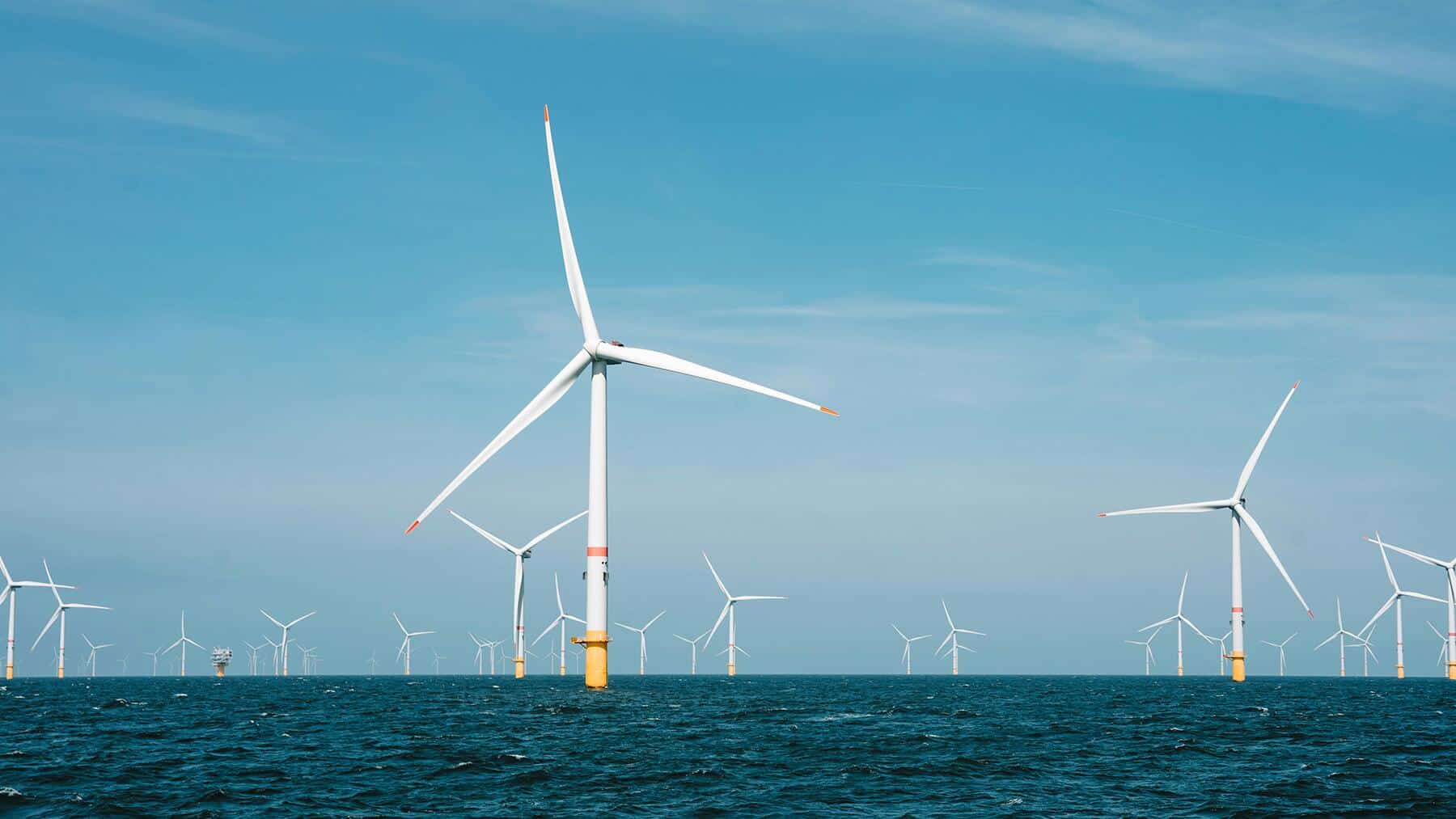
America’s first commercial offshore wind farm is quickly heading to meet its goal of reaching its total power capacity by the end of the year 2026 to power the homes of 400,000 residents in the state of Massachusetts. Vineyard Wind I is the first of its kind in the renewable resource industry, with an 800-megawatt capacity located fifteen miles off the coast of Martha’s Vineyard.
Construction Milestones facilitate the process of completing the project
The development of the 800-megawatt wind facility will bring huge environmental benefits with the reduction of 1.68 million tons of CO2, in addition to the $3.7 billion saved through the energy rates. The development has also created an opportunity for the engagement of the local companies in the supply chain of the wind facility off the coast of the United States. The New Bedford area, as well as the Cape and Islands, still enjoys the benefits of the Vineyard Wind facility.
The current events that have transpired in the federal government have created some confusion about the schedule that is to occur in December of 2026, which was put on a stop-work order due to the threat to national security. Classified information about threats to the development of wind energy has been made public by the Department of War due to “rapidly evolving adversary technologies.” Only new developments that do not provide power to the energy grid are included.
Economic incentives prompt Massachusetts to harness renewable resources
Vineyard Wind I is an economic investment of $2.2 billion to the communities and industries in the state of Massachusetts. Apart from the employment opportunities that the project will create during the construction stage, it will also create job opportunities. The project has also invested $15 million in programs that will improve the development of offshore wind in the state of Massachusetts.
Massachusetts Governor Maura Healey is the latest governor to join the list of governors from New York, Connecticut, and Rhode Island who have spoken out against the suspension. “This is a reprehensible attack on the clean energy industry and our nation’s commitment to the struggle against the climate crisis,” the governors said. US Senators Edward Markey and Elizabeth Warren have asked to see classified information about the suspension.
The timeliness involved in the project highlights the toughness of the sector
It seems that the target of commencing the commercial operation by the end of December 2026 can be met, provided the federal government reacts to the issue of national security within the stipulated time of 90 days. The fact that the Vineyard Wind project is the only project that has been suspended but is still generating power offers a degree of safety in case the project is brought to a complete halt.
The benefits of installing wind farms extend beyond clean energy
The old turbines in the project have been running as the federal government and the proponent engage in talks about the degree to which the threat can be reduced by offering security. This is because completing the project would set the tone for other projects to come. More than half of the 62 turbines have been erected in the federal waters. The transmission cables of the project have landed at Covells Beach in Barnstable.
Union labor has been instrumental in the creation of over 1,000 employment opportunities as part of the construction phase. Completing the project would prove the capacity of the United States to undertake such initiatives when there are regulatory constraints. While the United States is yet to approve the initiative, the people along the East Coast are waiting to see if the proposed groundbreaking wind farm will meet the ambitious schedule and promises of energy independence.
