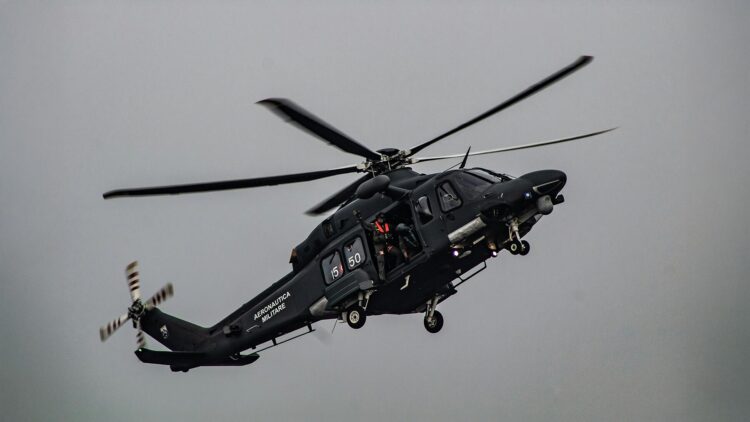
A fatal helicopter accident in Arizona has highlighted the inadequacies in the aviation warning systems in place that have been described as failing for many years. Four members of an Oregon family died after their aircraft collided with a slackline stretched across a canyon. The slackline was positioned in a remote canyon where warnings had been given through the appropriate channels. There is much controversy over the control of extreme sports events on public land.
Federal Aviation System issued proper warnings before the crash
According to federal aviation records, a Notice to Airmen did exist regarding the temporary hazard extended across the Telegraph Canyon south of Superior, Arizona. This slackline was allegedly over a half a mile long and hung 600 feet in the air, complete with aviation markers as mandated. According to public records, the operators of the rigging equipment did in fact follow proper procedure in warning the airmen of the impending danger before the January 2 incident.
The helicopter contained pilot David McCarty, who was 59 years of age, and his three nieces: Rachel McCarty, who was 23, Faith McCarty, who was 21, and Katelyn Heideman, who was also 21, all of whom were from Oregon. The helicopter seemed to collide with the slack line during what would have been a routine journey over the mountainous region near Phoenix, as was indicated by a witness and representatives of law enforcement.
Pilots criticize NOTAM system as fundamentally broken
The warning system has been criticized as ineffective by aviation experts, who state that it “masks critical safety data among hundreds of non-essential notifications that pilots can’t reasonably wade through in advance of flights.” DJ Vegh, manager of the airpark where the helicopter in question operated, described the NOTAM system on Facebook as “broken and has been for a long while” among 26,000 fans, who are slackline enthusiasts.
“As far as I’m concerned, I believe that if there had been an open communication channel between the slackline community and the local pilots, perhaps there might have been a possibility that four people could be alive today,” Vegh wrote.
Corbin Kunst, who is a pilot and slackliner from Bend, agreed that the system is not effective for pilots as it floods them with data. “When pilots look at NOTAMs before flying, there are so many garbage NOTAMs that there are hundreds, maybe thousands, in a given area, you can’t look at all of them,” he explained.
Raising the status of slackline installation sites to that of a Temporary Flight Restriction for improved visibility for the pilots, setting up communication paths between the communities that participate in extreme sports and the aviation authorities of the region, and the installation of ground-tracking systems for aircraft that will enable communication between the ground users and the pilots when the installation sites are active.
Slacklining community seeks collaborative safety solutions
The International Slacklining Association confirmed that this incident is “the first in over 40 years of highlining that this has occurred,” pointing out that it is an extremely rare incident of its kind. A representative for Thomas Buckingham from the slacklining group pointed out that each country provides a different standard that demands specific solutions for its instance in the United States. A preliminary report should be out in 30 days, although the full investigation may take over a year to conclude.
The Arizona tragedy has triggered many discussions in bridging efforts for slacklining and aviation to ensure that solutions are sought together to avoid future incidents. With slacklining gaining popularity, especially in having longer slacklines, communication systems and regulation are more important than before in ensuring safety between air and ground users who participate in slacklining recreation.