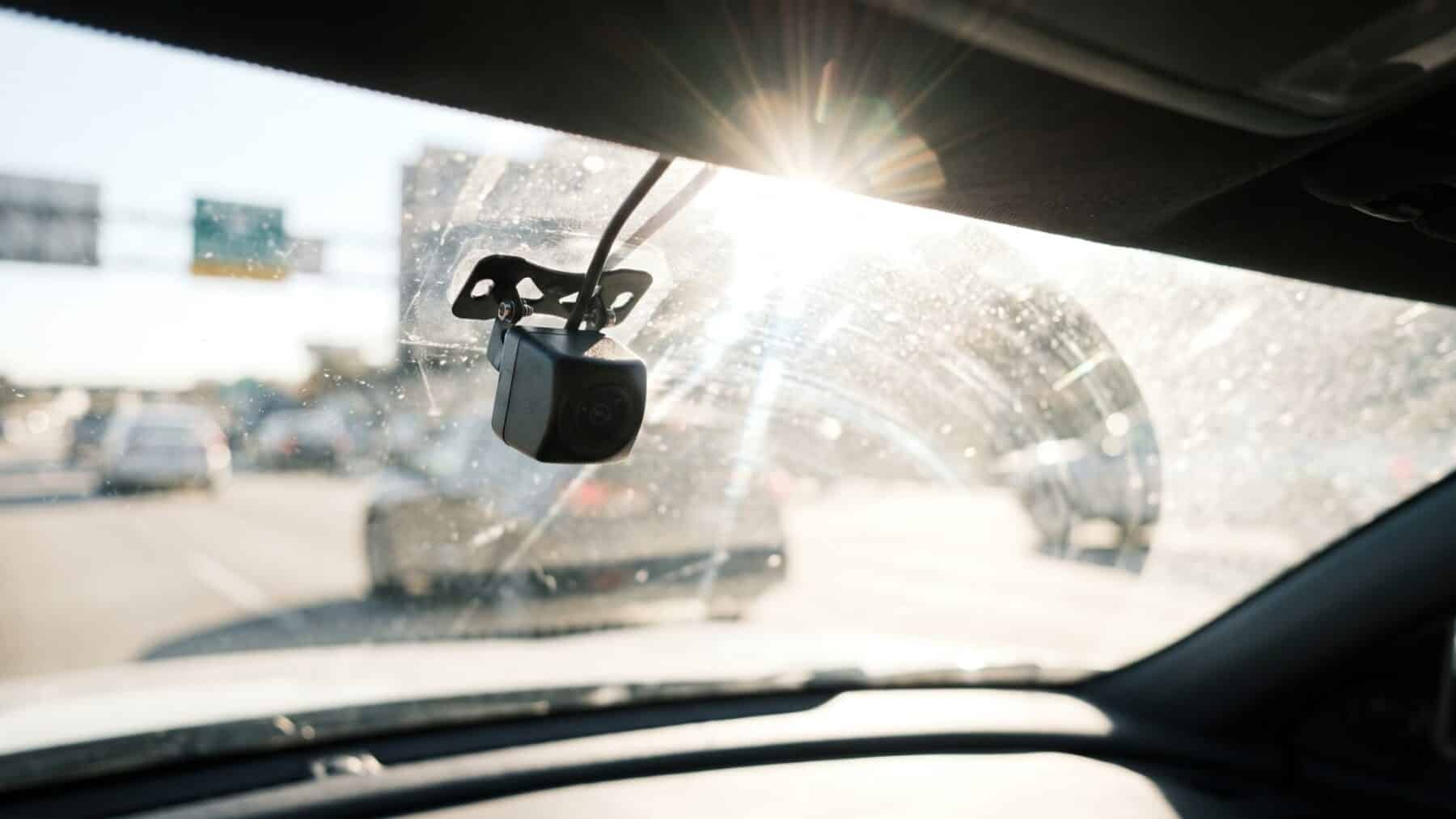
A small black camera sits behind the windshield, barely noticeable on the drive to work.
It reads lane markings, detects the car ahead, and hands back a quiet alert when something goes wrong. Except in certain conditions, it cannot tell when something is already going wrong. That gap is now at the center of a federal investigation covering millions of vehicles. The question is not whether the cameras fail. It is why the system does not know.
How the detection layer works and where it falls short
When an automaker removes radar and relies entirely on cameras, it must build a separate layer of software that watches the cameras themselves. That degradation detection layer becomes the last line of defense between a blinded sensor and a driver who has no idea anything is wrong.
The federal engineering analysis explicitly targets that layer in reduced roadway visibility conditions, defining the defect as failure to detect a degraded state and warn the driver in time. So the car is moving, the camera is washed out by sun glare or fog, and the software monitoring the camera does not flag it.
Regulators found the system did not detect conditions like glare, dust or airborne obstructions, or provide alerts before a crash. In many reviewed incidents, the warning arrived too late to be useful, not until immediately before the crash, and the system also lost track of or never detected a lead vehicle directly in its path.
What a blinded camera actually looks like from inside the car
Most drivers imagine camera failure as a black screen or an obvious warning light. The reality is quieter and more dangerous. When intense sun glare overexposes a forward-facing lens, the image the system processes is not black but featureless white, carrying no useful contrast, no edge lines and no depth cues at all.
Dawn and dusk glare occur on every commute for roughly half the year across most of the country. Fog and road dust are ordinary daily weather, not exceptional events. These are not rare edge cases a system might encounter once a year.
The architecture creates a compounding problem. Because there is no independent radar feed to cross-check against, there is no second sensor to contradict a degraded image. A system with radar can confirm a vehicle is present even when the camera feed is compromised. A vision-only system cannot do that, and the driver has no way of knowing the difference.
Nine crashes, one fatality, and the scale of the fleet under scrutiny
Federal safety regulators escalated the probe to a formal Engineering Analysis on March 18, 2026, covering roughly three point two million vehicles equipped with the camera-only driver-assist system.
The investigation follows nine crashes, including one fatality and two injury crashes, where the system reportedly failed to detect reduced-visibility conditions like sun glare, fog and airborne dust. That Engineering Analysis upgrades an earlier preliminary evaluation launched in October 2024 after four crashes in reduced visibility conditions, one of them fatal. The crash count has more than doubled since regulators first opened the file.
The automaker itself told regulators that limitations in company data and labeling may have led to under-reporting of additional incidents. The Engineering Analysis is the second of the agency’s three investigative tiers and the last step before regulators can demand a recall or close the case. The probe is documented under docket EA26002 on the federal safety agency’s public website, where official investigation records are maintained.
Where the detection gap does not hold equally across all conditions
The engineering analysis does not claim the system fails constantly. The investigation will examine whether the vision-only system can alert drivers with enough time to react, not whether it is entirely blind. A warning that arrives in the final moments before a crash is functionally no warning at all.
A software update was pushed to some vehicles after the original crashes were logged. Regulators note they still do not know when that update was deployed or which vehicles received it. That uncertainty makes the fleet-wide scope difficult to narrow, because a recall candidate cannot be scoped to a software version if the rollout is itself unverifiable.
A separate concurrent probe documents the system executing driving maneuvers that constitute traffic violations, including running red lights and crossing into opposing lanes, with the incident count growing from 58 to 80 by December of last year. Together they point to a pattern of edge-case failures rather than isolated incidents. For context on how rapidly the broader driver-assist landscape is shifting, the fast-charging infrastructure market has undergone its own fast reshaping as automakers race to define the next generation of on-road technology.
What the probe means for drivers and what still needs answering
For any driver using a camera-based assist system today, the practical advice from regulators has not changed: stay engaged and be ready to take over. But the investigation asks a harder question. If the system cannot tell drivers when its cameras are failing, how are they supposed to know when to intervene?
The answer will likely shape the next round of federal standards for vision-only driver assist across the whole industry, not just one automaker. Several manufacturers are building or expanding camera-only pipelines, and a federal ruling here sets a benchmark for what degradation detection must do. As the broader new-car market sees buyers weigh technology against price, the credibility of these systems matters more than ever.
The Engineering Analysis can end three ways: a mandatory recall, a voluntary fix accepted by regulators, or a finding that no defect exists. A probe of this scale, with a fatal crash in the record and evidence of systemic visibility failures, is exactly the kind of investigation that ends in a recall. Whether it does will depend on what the data review reveals about the software patch. That answer is still open.
