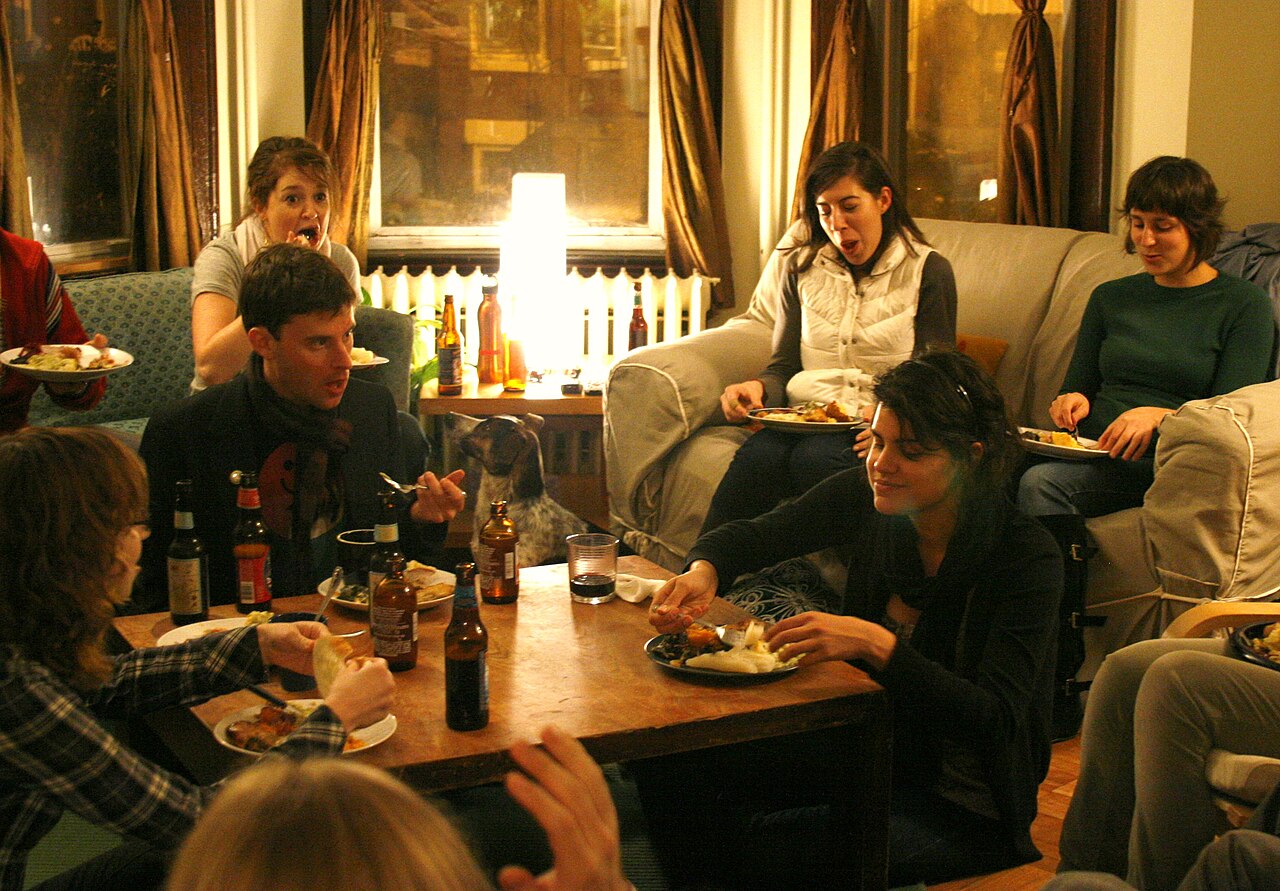
A fifth of American adults have hosted, attended or plan to attend a Friendsgiving gathering this year, up from 18 percent in October 2025, according to new consumer survey data from CivicScience. The survey found 21% of U.S. adults said they have hosted or attended, or plan to attend, a Friendsgiving, up from 18% in late October 2025.
The increase signals that the friends-only spinoff of Thanksgiving has moved from a niche millennial habit into a mainstream fixture of the holiday season, with Gen Z driving most of the growth.
Gen Z leads the surge
This percentage jumps to 38% among Gen Z (18-29) and 26% among Millennials (30-44) , according to CivicScience’s 2026 data.
That generational gap suggests Friendsgiving is becoming less of a supplemental holiday ritual and more of a primary social event for younger adults, many of whom live far from family or increasingly prioritize chosen social circles around the holidays.
The timing lines up with a broader shift in how Americans are structuring Thanksgiving week itself.
Thanksgiving traditions remain firmly in place, but the data point to a holiday that’s becoming easier to pull off. Fully pre-made meals, delivery apps, and Thanksgiving Eve takeout are all gaining ground at the same time that more Americans plan large gatherings , CivicScience noted.
Brunch and potlucks replace formal dinners
The format of these gatherings is also changing. A separate trend report from wine brand Napa Cellars found that the traditional evening sit-down dinner is losing ground to daytime get-togethers. Napa Cellars’ survey showed that 67.2% of respondents prefer a daytime celebration, led by “brunch-giving” at 35.6% and late-afternoon “sip and graze” gatherings at 31.6%.
Late morning to early afternoon is the top preferred celebration window, with 35.6% choosing “Brunch-giving,” ahead of late afternoon grazing at 31.6% and traditional dinner parties at 27.6%.
Sharing the workload has become central to the occasion. 41.6% of hosts follow a strict potluck format, while another 23.2% provide the food and ask guests to BYOB. Together, nearly 65% use one of these shared-contribution approaches, making coordination part of the celebration, from who brings the signature side to who supplies the wine.
Even the menu reflects a shift away from formality: elevated mac and cheese ranked as the number one must-have side at 40%, while other sides such as mashed potatoes (25.2%) and traditional stuffing (10.4%) ranked less favorably , with elevated comfort food overall leading culinary trends at 33.6 percent.
This mirrors a pattern GCN has previously reported in which hobby communities turn strangers into real friendships, suggesting Americans are increasingly building social rituals around shared activity and low-pressure gatherings rather than formal obligation.
Why the trend is accelerating now
Friendsgiving’s rise comes as broader survey data shows Americans navigating social life differently than past generations.
Research released earlier this year by AARP found that the desire for friendship has not faded among American adults, but the everyday structures that once made friendship easy to stumble into have largely disappeared. Nearly nine in ten adults say they are open to making new friends, even as many report that building those bonds gets measurably harder as they age.
The quarter of Americans who say they first met a close friend online reflects a similar adaptation, with people finding new ways to replace the automatic social contact of earlier life stages.
With Thanksgiving falling on Thursday, November 26, 2026, hosts have been gravitating toward the preceding weekend to schedule their gatherings, giving Friendsgiving its own slot on the calendar distinct from the holiday itself.
What it means for the holiday season
The data suggests that rather than competing with traditional Thanksgiving, Friendsgiving is increasingly functioning as a second, parallel tradition that coexists alongside family gatherings.
For retailers and hosts alike, that means two separate occasions to plan for, often with different guest lists, different menus and a noticeably more informal tone than the holiday that inspired it.
