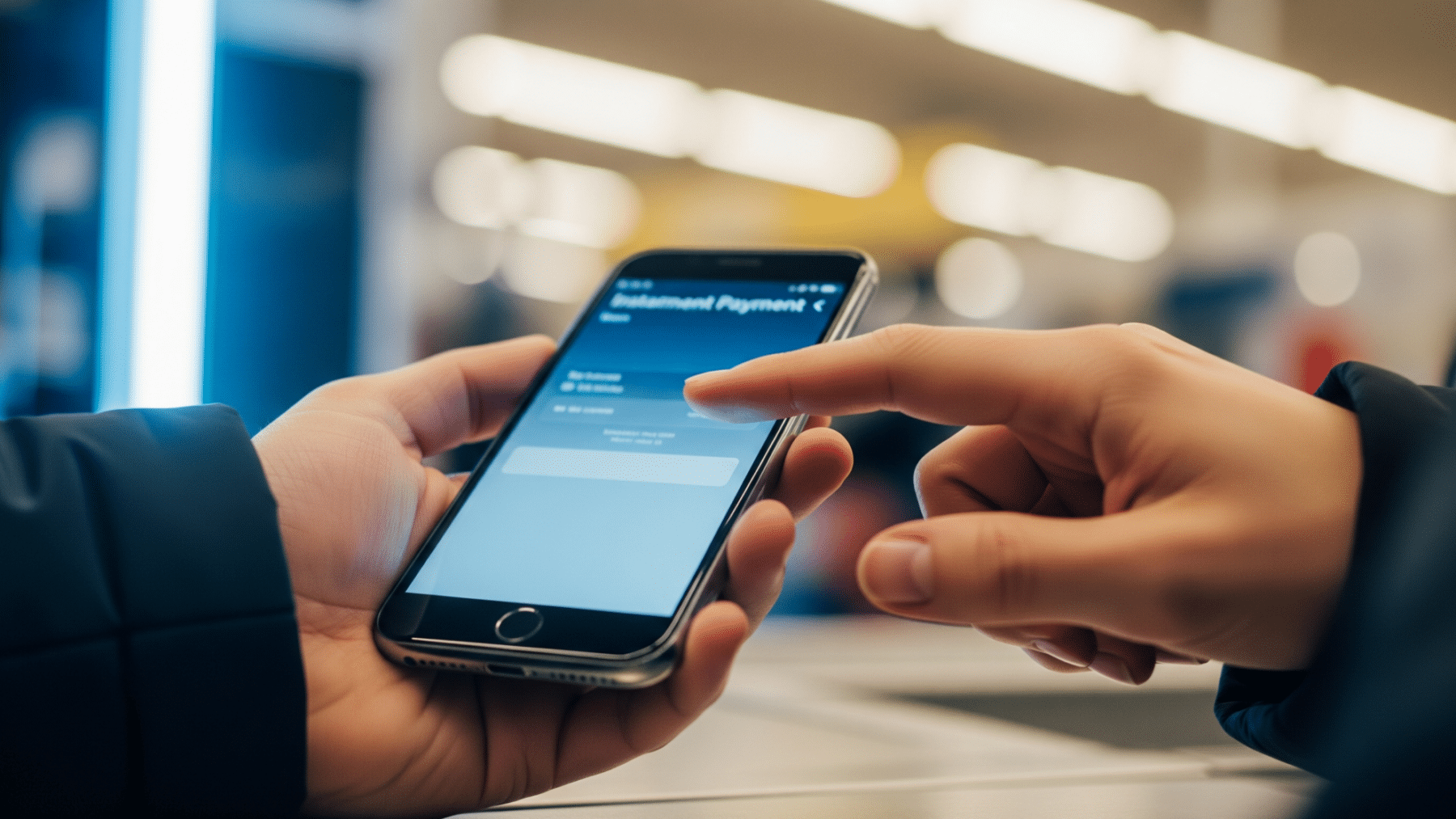
You are standing at a checkout screen, digital or physical, and a small button appears below the price. Four easy payments. No interest. Tap once and it is done.
It feels responsible. Measured, even. Like you thought it through.
What is actually happening inside your brain at that moment is a different story entirely, and researchers have now mapped it in more detail than most shoppers would be comfortable knowing.
A payment method that went from niche to nearly half of America
Buy now, pay later adoption continues to grow rapidly, with 37% of consumers in the United States making a purchase using this method in the past 90 days, a five-percentage-point increase in just one year.
As BNPL use matures and providers continue to launch new products, customers are increasingly using it to manage their day-to-day spending.
That is a shift worth pausing on. This is no longer a tool for big-ticket furniture or electronics.
About 25% of BNPL users now report using it to buy groceries, up from 14% in 2024, according to a LendingTree survey.
Groceries. Bread and milk, split into installments.
The number that tells you the system is working exactly as designed
The U.S. BNPL payment market is forecast to grow 19.1% year over year to $127.9 billion in 2026.
That growth does not happen because people are being more careful with money.
It happens because monthly BNPL spending increased almost 21% from $201.60 in June 2024 to $243.90 in June 2025, according to Empower Personal Dashboard data.
And the late-payment data is quietly rising alongside it.
Nearly one-quarter of BNPL users, 24%, were behind on payments in 2024, up from 18% in 2023, according to the Federal Reserve’s Survey of Household Economics and Decisionmaking.
Younger users are more likely to fall behind: 32% of 18- to 29-year-olds reported at least one late payment, compared with 12% of adults 60 and older.
So what exactly is the system doing to spending behavior? The answer lives in the checkout screen itself. If you are already tracking your spending more closely in response to rising costs, the mechanism behind BNPL may be working against you without your noticing.
Why a familiar checkout button feels so different from handing over cash
Behavioral economists have a name for the discomfort you feel when money leaves your wallet: pain of payment. It is a genuine psychological brake on spending.
Cash triggers the maximum pain, since you count the physical money and see it leaving.
Credit cards soften it by making the cost abstract and pushing the real payment to the end of the month.
BNPL goes further still.
Behavioral finance research suggests that BNPL minimizes the pain of payment for consumers by changing the way they view their outlay in terms of smaller installments, which results in less cognitive resistance to spending.
Researchers and consumer behaviorists have noted that BNPL preserves the illusion of financial caution, much as layaway once did, while delivering the joy of instant ownership.
The four-part trick your checkout screen runs on every single time
A 2026 JD Power study and a 2025 Central Bank of Ireland research paper together identify the same quartet of levers built into every BNPL checkout.
First: installment framing. Splitting a purchase into four installments changes what your brain thinks it costs.
The moment you see the payment per installment, your brain locks onto that lower amount and forgets about the full retail price.
Second: urgency cues. BNPL service mechanisms, including installment framing, urgency cues, and perceived affordability, influence both the reduction of payment salience and increases in impulsive purchasing.
Third: perceived affordability. The product did not get cheaper. The screen just made it feel that way.
Fourth: emotional detachment from the transaction itself. The apps are specifically designed to push the payment into the future.
The cost is real, but your brain does not feel it until the charge lands, and by then you have already moved on.
A 2025 research paper from the Central Bank of Ireland found that participants spent, on average, 4.39% more when using BNPL compared to debit cards, and that an inflated perception of available funds from prior BNPL use leads to a 22.2% higher likelihood of spending on a discretionary product. That is the mechanism, measured.
What knowing the system actually changes for ordinary shoppers
Nearly half of Americans say it makes it easier to manage large or unexpected expenses.
Used deliberately for a planned purchase, it is a neutral financial tool.
The research suggests the problem is the checkout moment itself, when cognitive overload is at its peak and the four levers fire simultaneously.
Sellers are counting on you being too cognitively overloaded to think, using one of the oldest psychological tricks in the book to ensure you default to BNPL.
Consumer advocates note that a straightforward counter is to impose your own delay, forcing a gap between seeing the installment offer and tapping it.
That pause gives the brain enough time for the full price, not the fractional one, to register as real.
For Americans already watching every dollar, as back-to-school spending pushes household costs to record highs, knowing exactly which four levers a checkout screen is pulling may be the most useful thing a consumer can carry into any store, real or digital, this year.
