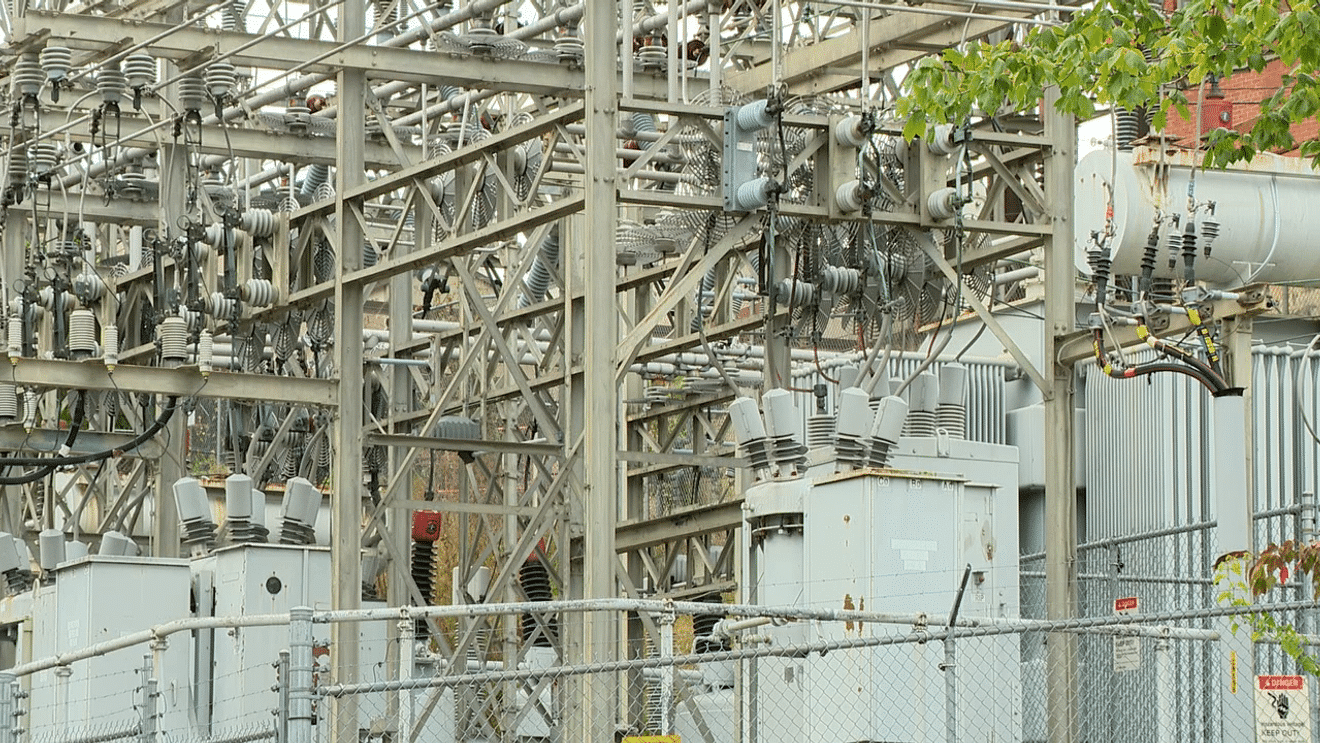
Pacific Power has reached a settlement with Oregon Public Utility Commission staff and other parties in its 2027 Oregon general rate case, months after regulators rejected the company’s request for an interim rate increase while the broader case was reviewed.
Pacific Power reached a settlement with Oregon Public Utility Commission staff and other parties in the company’s 2027 Oregon general rate case , the company announced October 29, 2026. The stipulation still requires formal commission approval before new rates take effect.
What the filing changes
PacifiCorp, which operates in Oregon as Pacific Power, serves about 600,000 customers in Oregon . PacifiCorp is asking to raise overall customer revenues by $170.7 million, or 8.6 percent, in its general rate case filed earlier this year.
As part of that filing, PacifiCorp sought a temporary 2.8 percent increase starting June 4, saying it was needed to address financial pressure and concerns about its credit ratings .
After reviewing PacifiCorp’s filing for interim rates, the commission did not find justification to approve the interim rate request . The Commission is willing to evaluate a renewed request, should circumstances change , according to the Oregon Public Utility Commission.
Under the settlement announced in October, power cost decreases and other price changes in 2026 and early 2027 would almost entirely offset a 9% general rate case increase that would take effect in April 2027 . Pending final approval by the Commission, residential customers would see a net average increase of about 0.3% in April 2027 compared with April 2026, while commercial and industrial customers would see a net average decrease of about 6.5% . The settlement reflects higher costs for poles, wires and other equipment, rising wildfire insurance costs and completed infrastructure projects.
Why regulators pushed back first
The commission noted that PacifiCorp has taken several steps to improve its financial position, including actions approved by the commission.
PUC Chair Letha Tawney said in a statement at the time, “Emergency rate increases require a very high bar, and PacifiCorp did not demonstrate need at this time.”
The commission will investigate the general rate revision request under the standard 10-month suspension, allowing the commission and stakeholders to review PacifiCorp’s full request , with a final decision expected around March 2027.
Part of a wider pattern across PacifiCorp’s territory
Oregon is one of several states where PacifiCorp, a subsidiary of Berkshire Hathaway Energy, has pursued rate adjustments this year amid rising infrastructure, insurance and wildfire-related costs.
The rate filings come as PacifiCorp continues to absorb the financial fallout from Oregon wildfire litigation. PacifiCorp has resolved nearly 90% of known claims, totaling $2.3 billion, related to fires other than Beachie Creek/Santiam Canyon, which the Oregon Department of Forestry determined the company did not cause or contribute to , according to a PacifiCorp statement.
Separately, a class-action verdict tied to the 2020 Labor Day fires remains before the Oregon Supreme Court. The Oregon Supreme Court considered Nov. 3 whether to uphold or vacate a multibillion-dollar verdict against PacifiCorp for widespread damage stemming from four 2020 wildfires. The court decided November 20 to expand its review of the class action lawsuit, with oral arguments on the expanded questions now scheduled for April 6, 2027. The Oregon Supreme Court is not considering electric rates or setting wildfire prevention regulations in this case, though its eventual ruling could influence how future claims against utilities are litigated.
What customers can expect next
Should the OPUC approve the settlement, new rates would take effect April 5, 2027. A final commission order on the broader rate case is expected around that time, following the standard review process.
Until then, Oregon customers have avoided the temporary bill increase PacifiCorp originally sought for mid-2026, after regulators found the company had not demonstrated sufficient need for emergency relief.
The outcome will be closely watched alongside other large utility proceedings nationwide, as regulators weigh rising infrastructure and insurance costs against customer affordability, a tension also playing out in cases such as Duke Energy’s rate hikes in North Carolina and Oklahoma’s recent PSO decision.
