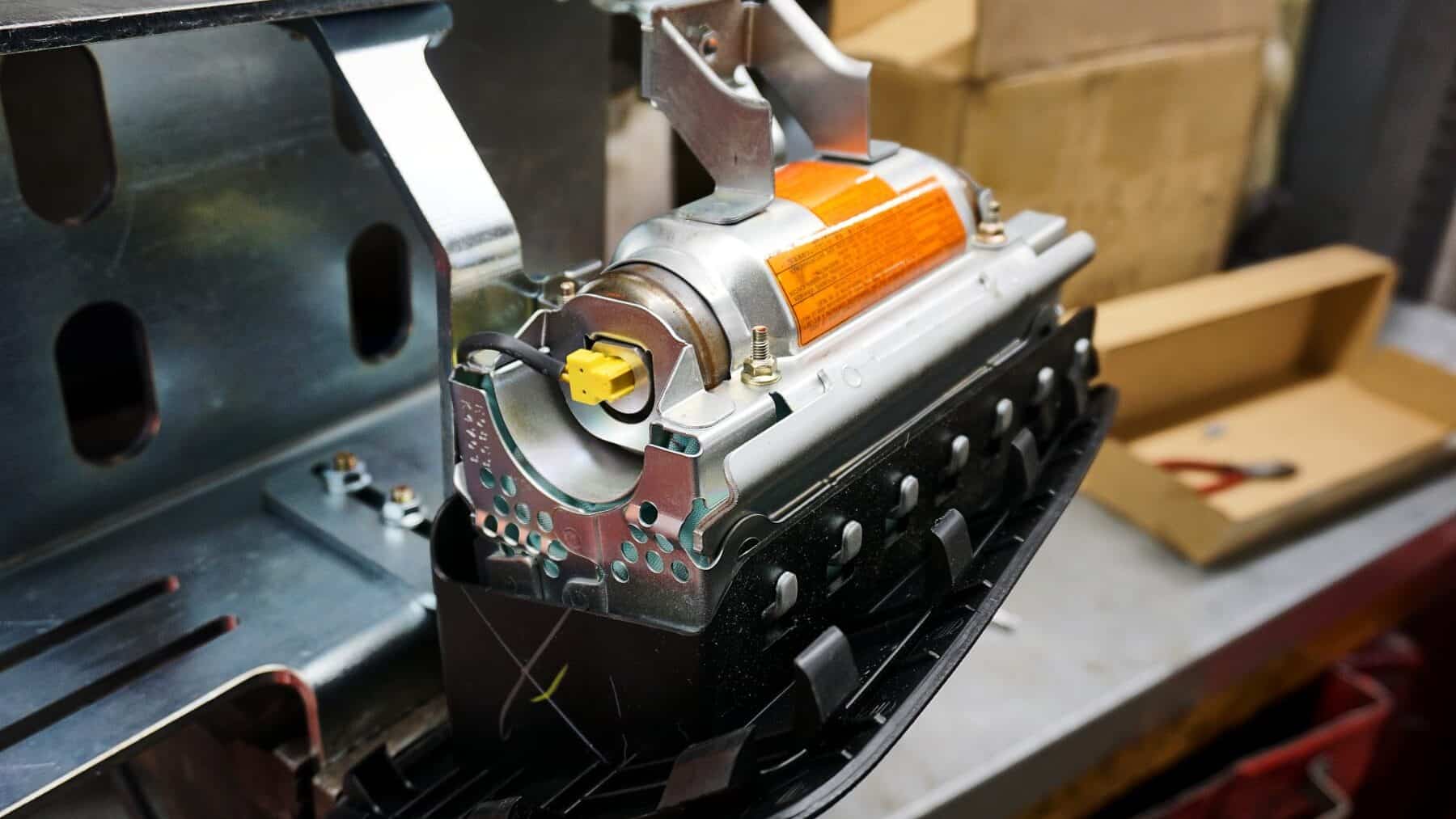
Toyota Motor Corp announced a voluntary safety recall on November 12 covering approximately 314,000 Toyota and Lexus vehicles in the United States because of front passenger airbag inflators made by the defunct supplier Takata that can degrade and rupture during deployment, according to a statement posted to Toyota’s US newsroom.
The front passenger airbag made by Takata contains an inflator with propellant that can degrade over time in certain temperature and humidity conditions.
Degraded propellant can cause the inflator to rupture if the airbag deploys. An inflator rupture may cause metal fragments to pass through the airbag and into the vehicle interior at a high speed, which may result in injury or death to vehicle occupants.
What the recall covers
Toyota said in a statement posted to its US newsroom that it is conducting a voluntary safety recall involving certain Toyota and Lexus vehicles, with approximately 314,000 vehicles involved in this recall in the U.S.
The remedy will vary by model. For all involved vehicles, Toyota and Lexus dealers will replace the front passenger airbag inflator or replace the airbag assembly, depending on the model, free of charge.
The action is the latest in a long-running series of recalls tied to Takata inflators that has stretched across the industry for more than a decade.
A related report on the same campaign put the figure slightly higher. Trade publication CarComplaints reported that after years of recalls due to deadly Takata airbag inflators, Toyota has announced another recall because of the passenger airbags in about 323,000 vehicles , a figure that differs slightly from Toyota’s own 314,000 count.
Why the inflators fail
The underlying defect traces back to ammonium nitrate based propellant used by Takata, which can break down chemically after prolonged exposure to heat and humidity cycles.
A separate recall announced the same week by Lexus Australia illustrates how the defect can resurface even after an earlier repair. That campaign, covering approximately 7,015 examples of the Lexus IS over concerns the front passenger Takata airbag inflator could degrade over time and potentially rupture during deployment, sending metal fragments into the cabin , involved replacement devices after Lexus found that a dessicated, phase-stabilised ammonium nitrate propellant installed in the front passenger airbag inflator as part of an earlier recall… may degrade over the life of the vehicle , according to a CarExpert report on the Australian recall notice.
The latest recall covers certain Lexus IS250, IS250C, IS350 and IS F vehicles fitted with Takata front passenger airbag inflators, including inflators installed as replacement parts under an earlier recall. If an affected inflator ruptures when the airbag deploys, metal fragments could be propelled through the airbag and into the cabin at high speed, posing a risk of serious injury or death.
Lexus characterized that Australian follow-up action as precautionary. “This recall is initiated as a proactive measure. Based on the investigation of recovered parts, no degradation of the propellant has been currently identified,” Lexus Australia said in its recall notice. Lexus says it has received no reports of related problems and owners can continue driving their vehicles. It is not part of Toyota’s 314,000-vehicle US recall.
A recurring industry problem
The Takata saga remains among the largest series of automotive recalls in US history, with the recall tracing back to the mid-2000s and growing to involve roughly 67 million inflators in the United States, according to NHTSA data cited by multiple outlets tracking the recall.
This week’s filing shows the cleanup is still active more than a decade later, even as automakers push forward on other safety fronts.
Regulators have separately pressed automakers over different defect categories in recent weeks, including the ongoing scrutiny tied to camera based driver assist systems and a parallel steering related safety action detailed in Honda’s recent recall of hundreds of thousands of vehicles.
Owners of affected Toyota and Lexus vehicles can check their vehicle identification number through NHTSA’s recall lookup tool or Toyota’s dedicated Takata recall site to confirm eligibility and schedule a free repair.
Toyota has not said when owner notification letters will be mailed for this latest 314,000 vehicle campaign.
What happens next
Dealers will begin scheduling inspections and repairs as parts supply allows, consistent with how Toyota has phased previous Takata related campaigns to prioritize vehicles in high humidity regions first.
Toyota’s statement on the 314,000-vehicle US recall did not address whether any injuries have been linked to this specific batch of inflators. Owners are urged to respond promptly once notified given the severity of the potential failure mode.
The recall adds to a broader pattern of legacy supplier defects still surfacing across the industry, a dynamic also visible in recent supply chain strain covered in reporting on chip shortages affecting multiple automakers.
