The United States Department of Energy (DOE) has announced that it is accepting applications for a new initiative designed to support the development of emerging solutions. The program is an effort to accelerate the evaluation of high-impact innovations by providing opportunities to explore them in practical, real-world settings. While there are challenges that can slow the adoption of new approaches across industries, this initiative seeks to assist innovators and industry users in navigating these barriers.
Real-World testing to prove industrial innovation
The DOE initiative allows participants to assess emerging solutions in operational environments. The program provides awards to teams that include innovators and host organizations. The awards cover costs for participants to develop the solutions they plan to evaluate and for host sites to facilitate deployment and gather data during the assessment process. The information collected by host organizations is analyzed by Lawrence Berkeley National Laboratory and used to generate publicly available performance reports.
While evaluating solutions in actual operational environments reduces many of the risks associated with wider implementation, the program enables participants to document functional performance, operational impacts, and practical feasibility before larger-scale efforts. Applications are currently being accepted from joint developer teams and will continue to be received until January 29th, 2026.
The ITV program also supports the Department of Energy’s (DOE) goal to create a climate where innovation can thrive. Furthermore, it creates an opportunity for emerging technologies to be linked to real-world operating conditions and the rigorous proof of performance required to increase the confidence of future adopters of these technologies. The ITV program was developed to support the development of cooperative relationships among the innovative community and industrial organizations seeking cost-effective, sustainable, and highly performing solutions.
Eligible participants and program mechanisms
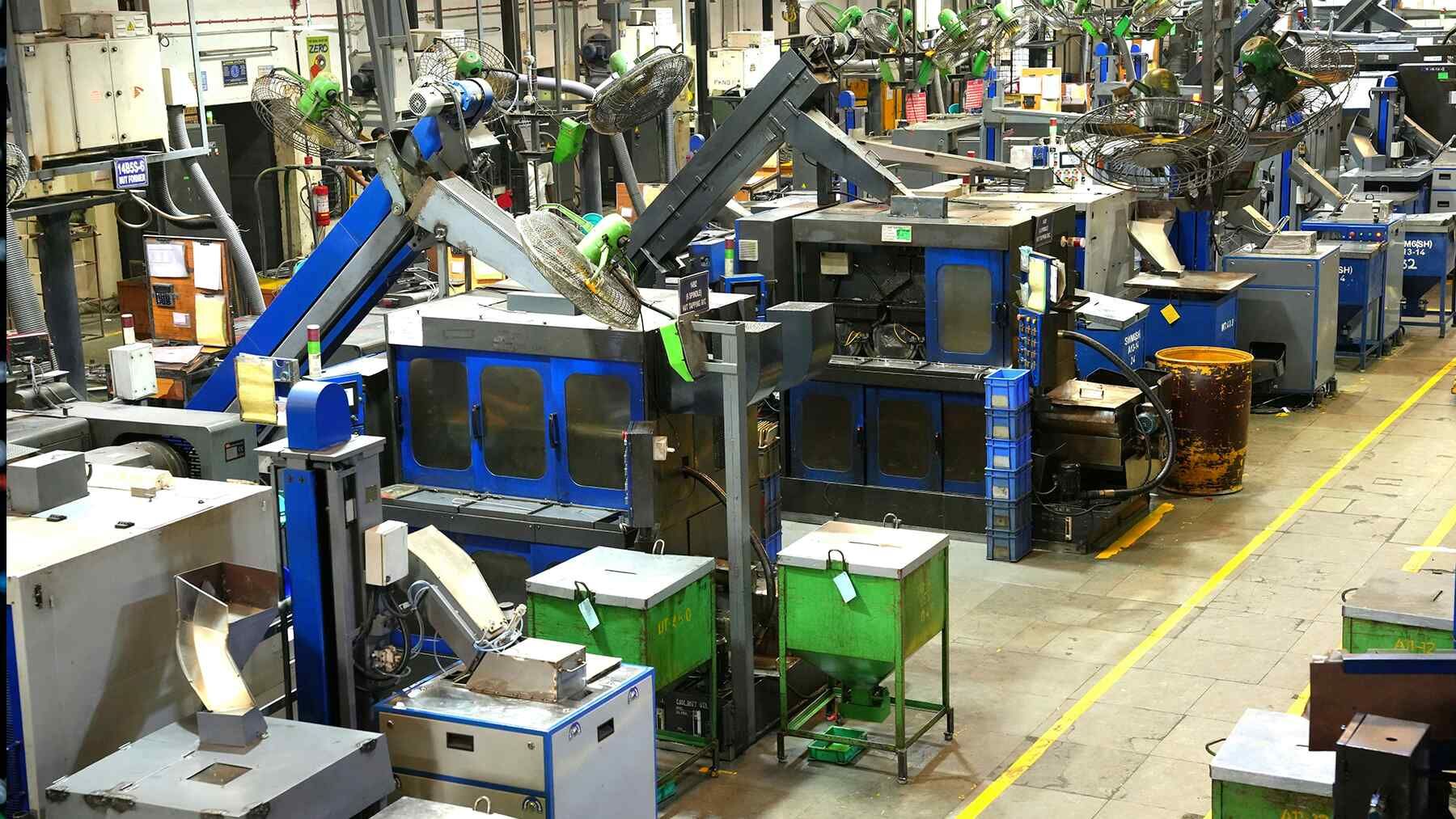
Each technology developer is required to partner with an industrial host site where they will test and demonstrate their technologies. Technology developers supply the technology; industrial host sites provide the facility and gather data by comparing how the new technology performs to their baseline system.
The ITV program will support a wide variety of technologies and innovations developed for use in the industrial sector that have the potential to significantly improve energy efficiency or reduce greenhouse gas emissions. These technologies and innovations could include energy-saving equipment, such as LED lighting, and greenhouse gas-reducing systems, like carbon capture. They also include process improvement systems that enhance productivity and efficiency. Other advanced industrial innovations can save money and improve environmental sustainability.
Through funding and technical oversight, the ITV program allows both developers and host sites to evaluate and showcase the capabilities of their technologies in operational settings. Additionally, the ITV program provides an avenue for developers and host sites to communicate and connect with one another through publicly accessible teaming partner lists and networking opportunities.
Industrial competitiveness in the United States
ITV programs will contribute to both the commercialization process and to enhancing U.S. industrial competitiveness by supporting the DOE’s mission of providing support for research and development (R&D), demonstration (DEMO), and deployment (DEPLOY) of industrial technology that is both economically competitive and environmentally sustainable.
Moreover, government-supported validation creates an incentive for earlier innovation; enables developers to pursue commercialization; creates partnerships through verifiable performance data; and creates the opportunity to attract private funding to support the further commercialization of their products.
Going forward, the ITV program can serve as a model for other industry sectors that require real-world testing of new technology. It will also help to develop a continuous pipeline of technologies that are moved from the conceptual phase to validated performance. This will help to strengthen U.S. industrial competitiveness and remove the barriers to commercial adoption of new technologies that have existed for years.
