
The rise in popularity of online stores has caused a significant downtick in brick and mortar foot traffic and whilst the retail sector at large has been struggling for months now, malls seem to still be holding up relatively okay all things considered. It does make sense when you think about it — the convenience and fun of browsing through stores in a mall cannot be replicated by online shopping.
The issue arises with retailers within the malls, however. Many companies have been recording a decline in sales resulting in the decision to downsize and restructure. Whilst malls, of course, have a high concentration of stores, more often than not, there is always one anchor store that serves as the main attraction to draw customers in. It is usually a department store of sorts.
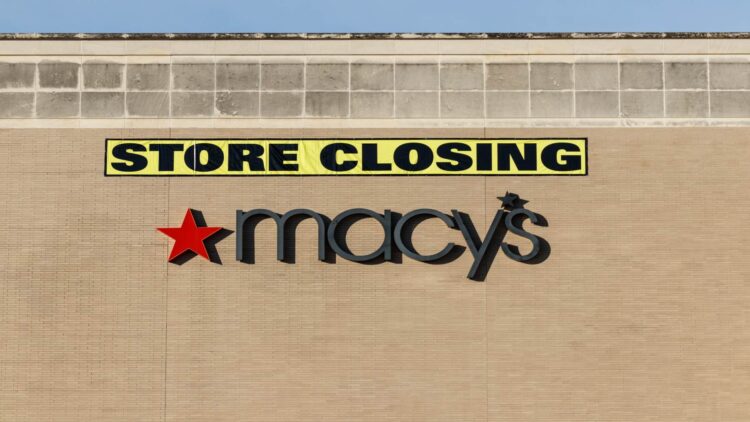
Department store chain Macy’s has long been the anchor store for many malls, however, a recent pattern of underperformance has resulted in the closure of more than 150 stores across the country.
Shopping malls are in fact standing the test of time
Despite big changes being noticed in purchasing patterns, consumers do still choose to shop at malls. Shoppers do spend less time than usual at malls these days, but this issue can be traced back to individual retailers rather than the concept of a mall as a whole.
Mall traffic for February remained relatively flat despite the usual month to month fluctuations. According to Placer.ai data, “Comparing [year over year] at average daily visits — a more accurate analysis of YoY performance when comparing a regular year to a leap year — reveals that visits to indoor malls and open-air shopping centers held relatively stable in February 2025, despite the sharp drop in consumer confidence.”
“And both mall types outperformed the wider retail YoY average, highlighting the ongoing resilience of the retail format.”
Malls may have to consider a restructuring of their own to keep up with evolving market trends. However, if retailers are not doing well, compelling them to close down stores, there really is not much that malls can do at the end of the day.
“The steady February foot traffic coupled with strong engagement on key holidays like Valentine’s Day underscores the enduring role of malls as more than just shopping destinations,” the analytics provider reported.
“As we move further into 2025, the ability of malls to adapt and cater to evolving consumer behaviors will remain a critical factor in their continued success.”
Macy’s role in mall success rates
Longstanding department store chain, Macy’s, has not been doing as well as expected during these turbulent economic times. As such, the company has been enacting a strategic restructuring that involves the closure of all stores that no longer benefit the bottom line. Macy’s is calling this move its “Bold New Chapter” strategy.
Consequently, the department store giant will be closing a further 70 stores, however the exact locations of the soon to be closed stores has not yet been decided. Despite these seemingly largescale closures, the company is still in relatively good financial standing. In order to keep up with the current retail landscape, the company has had to enact some big changes and “rightsize” its operations. Additionally, the company does still pay dividends.
According to The Street, “On Feb. 28, in fact, the board lifted the quarterly payout by 5%, to 18.24 cents a share. The dividend is payable April 1 to shareholders of record March 14.”
Going forward, the company shared that “This plan is designed to return the company to sustainable, profitable sales growth. It entails closing 150 “underproductive stores” over three years while investing in its 350 go-forward Macy’s locations through fiscal 2026.”
Overall, the retailer is recording relatively healthy numbers despite the harsh economic climate and this is, in part, due to cutting losses by shuttering underperforming stores.