
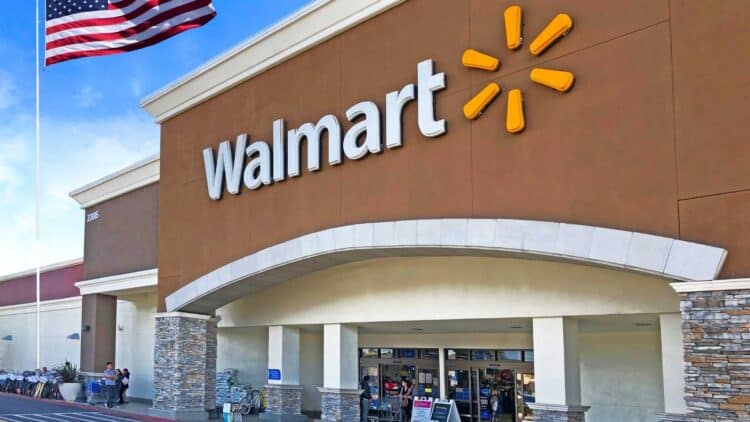
Over the past few weeks, a lot has been happening at retail giant Walmart. As one of America’s top retailers, the company has faced multiple challenges and worked toward solutions or interventions when issues arise. In recent news, Walmart is being charged over overpriced products and has agreed to pay out millions in a lawsuit settlement. The development has sparked conversation among shoppers and officials across California and beyond.
The Story Behind the Lawsuit
A civil complaint was filed alleging that Walmart charged consumers unlawfully high prices at checkout. In plain terms, certain goods were advertised or shelf‑tagged at a lower price but rang up higher at the register. The complaint also accused the retailer of problems related to loose products—items such as fresh fruits, vegetables, and baked goods that are sold by weight. According to the allegations, some of these items accounted for lower weights than shown on the label, meaning customers could have received less product than they believed they were purchasing. Together, these issues led to false advertising charges.
The legal action involved multiple California prosecutors. Walmart reached a settlement with the district attorney’s offices of Santa Clara County, San Bernardino County, Sonoma County, and San Diego County. As part of the resolution, prosecutors said the case centered on ensuring price integrity for consumers, from advertised prices to scanned prices and accurate weights for loose goods.
Settlement Terms and Penalties
Under the settlement, Walmart will pay $5.5 million in civil penalties after being found in violation of California’s false advertising and unfair competition laws. The company will also pay $140,000 to cover investigation costs. According to Santa Clara County officials, the county is set to receive $1.4 million of the penalty, directed to the Consumer Protection Fund. Those funds are intended to support ongoing enforcement, education, and compliance programs aimed at preventing similar pricing problems in the future.
While the monetary penalties draw headlines, the broader takeaway for shoppers is simple: prices advertised to the public—whether on a sign, a shelf label, or in promotional materials—must match what rings up at the register, and weights for loose products must accurately reflect what customers take home.
The Impact on Walmart
Walmart, based in Bentonville, Arkansas, is widely recognized as the largest retailer in the United States. The company operates in more than 4,000 locations nationwide, with 280 stores in California alone. In 2025, Walmart has navigated a series of challenges, including the effects of high tariff rates. Those tariffs contributed to higher product prices, putting additional strain on price‑sensitive shoppers—especially SNAP consumers who rely on every dollar stretching as far as possible.
Tariffs, Pricing, and the White House
The push and pull over tariffs and price adjustments brought Walmart into conflict with the President of the United States, Donald Trump, when the company announced pricing changes tied to higher costs. The back‑and‑forth underscored how national policy choices can filter down to everyday prices in the aisle and at checkout, intensifying scrutiny on large retailers’ pricing practices.
Boycotts and Corporate Policies
At the same time, Walmart has faced periodic boycotts linked to changes in its diversity hiring initiatives and broader opposition to some of its corporate practices. For a retailer known for its commitment to make life a little easier for customers, these overlapping pressures—from legal scrutiny to political debates—add up to a significant reputational and operational challenge.
Public Statements and Shopper Expectations
On August 8, 2025, Jeff Rosen, the District Attorney of Santa Clara County, emphasized a key expectation: when a consumer brings a product to the scanner, the price must be correct. That is what the law requires, and that is what both retailers and shoppers should expect during every transaction. He added that his office expects accuracy and will apply the law to ensure it.
Walmart, for its part, told the Northwest Arkansas Democrat‑Gazette that it is pleased the matter is resolved. The company reiterated its focus on compliance, accuracy, and making it right for customers. In an earlier statement on consumer pricing rights, then‑California Attorney General Kamala Harris said shoppers should feel confident that the price on the shelf and the price scanned at checkout match, and that California consumers have the right to ask for the appropriate discount when they do not.
What California (and U.S.) Shoppers Should Do Now
For shoppers—especially those in California—the settlement serves as a reminder to be vigilant and proactive:
- Double‑check shelf tags vs. receipts. Compare the shelf price to what appears on your receipt before leaving the store.
- Speak up at the register. If the scanned price is higher than advertised, ask for a correction on the spot.
- Watch weights on loose goods. For produce, bakery items, and other products sold by weight, make sure the weight and price make sense for what you selected.
- Document discrepancies. Keep your receipt, note the aisle and shelf label, and, if necessary, take a photo of the displayed price to support a correction request.
- Escalate when needed. If an issue is not resolved at the register, ask for a supervisor or store manager.
- Know your rights. California law prohibits false advertising and unfair competition, protecting consumers from paying more than the advertised price or receiving less product than labeled.
The Bottom Line
Walmart’s $5.5 million settlement and additional $140,000 in investigative costs highlight just how closely pricing practices are scrutinized in California. For a brand built on value, any gap between shelf tag and scanner—or between labeled weight and what customers actually receive—can erode trust quickly. The company’s commitment to resolve the matter, alongside prosecutors’ insistence on accuracy, sets expectations going forward: prices must match, weights must be right, and consumers should never pay more than promised.