
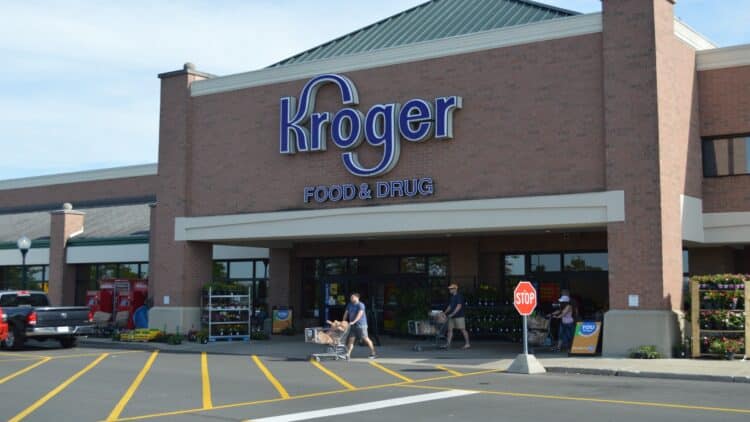
Sad news for the retail industry as many chain stores including At home and Kroger, begin to close. Pressure on the retailers has increased as a result of increasing inflation, change in consumer spending and an increase in online shopping.
Customers will have fewer alternatives in their neighbourhoods as a result of these closures, and in certain situations, they will no longer have easy access to home items or food. As businesses close underperforming outlets to stabilise their finances, it causes employment instability for staff.
Why Closures Keep Happening
The COVID-19 pandemic had stirred many changes in the way Americans shop. Currently, more customers rely on online shopping for convenience, and this has left many stores struggling to keep up. Data shows that at least one in four of America’s largest shopping malls could potentially close by 2027.
Rising costs for rent, labour, and inventory are squeezing companies even further. Many retailers are deciding that cutting locations is the only way to stay afloat in today’s market.
At Home Shuts Down 26 Stores
One of the largest brands cutting back this month is At Home; a home décor business located in Dallas. By the end of September, the business plans to close 26 underperforming locations across 12 states. Even while At Home still has over 250 locations across the country, the closures will drastically reduce its presence.
For years, At Home has struggled financially. The business, which still has $2 billion in debt, previously filed for Chapter 11 bankruptcy. The company claims that by closing underperforming stores, it would be able to focus on its online operations and better-performing sites.
Full List of At Home Closures
Here are some of the locations shutting down this month:
- California – San Jose, Tustin, Costa Mesa, Pasadena, Chico, Foothill Ranch, Sacramento, Long Beach
- Florida – North Miami
- Illinois – Peoria, Crestwood
- Massachusetts – Shrewsbury, Dedham
- Minnesota – Rochester
- Montana – Billings
- New Jersey – Middletown Township, Ledgewood, Princeton
- New York – Rego Park, Bronx
- Pennsylvania – Pittsburgh
- Virginia – Leesburg, Manassas
- Washington – Yakima, Bellingham
- Wisconsin – Wauwatosa
For shoppers in these areas, the closures mean one less option for affordable home furnishings and seasonal décor.
Kroger Scales Back in Two States
Kroger, the largest supermarket chain in the country, is also trimming its footprint this month. On September 19, two stores will close:
- Abingdon, Virginia – 466 South Cummings Street
- Kingsport, Tennessee – 1664 East Stone Drive
Locals and union leaders expressed worry over the closures. The decision was criticised by United Food & Commercial Workers Local 400 President Mark Federici, who said that Wall Street investors would profit while areas with limited access to fresh groceries would suffer.
Trouble for Claire’s
Jewellery lovers might be disappointed by this one. Accessories retailer Claire’s has also filed for a second bankruptcy, in August.
Claire’s is currently sitting with $69 million in debt and is struggling to pay rent in various malls, as the price increases. The company still operates more than 2,300 locations worldwide, but without a buyer or new financial backing, all its stores could eventually close.
For many shoppers, especially teens and parents, Claire’s has long been a go-to for affordable jewellery, hair accessories, and ear piercings.
The Bigger Picture
September’s closures highlight how fragile the retail landscape remains. Many stores that we once knew and felt like staples in malls and neighbourhoods are being forced to downsize or in worse cases, close completely.
This will impact consumers as it would mean lesser in person shopping options. Unfortunately for staff in those stores, it would potentially mean job instability. .
Final Thoughts
Claire’s bankruptcy, Kroger’s withdrawal in Virginia and Tennessee, and At Home’s countrywide closures are all a part of a bigger picture: American retail is changing. Even while shopping online is convenient, communities are left with gaps that are hard to fill as traditional, long-time stores, close.