
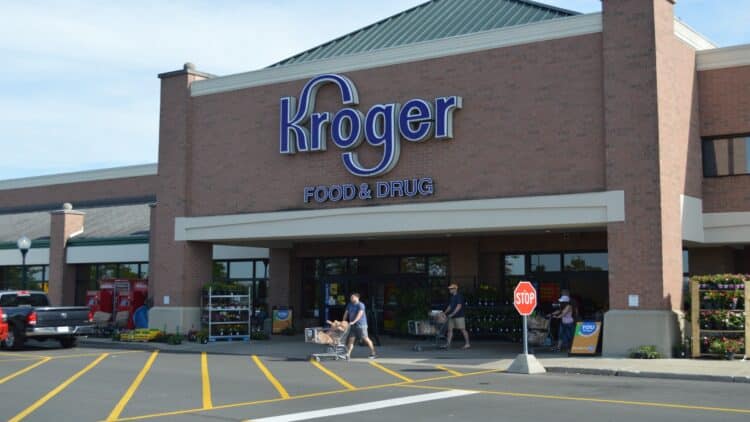
Kroger, one of America’s grocery chains, has been struggling severely after a failed merger. The retailer was forced to close the doors of some of its stores, but now even more changes are expected to be made. The economic uncertainty of the country highly contributes to these changes. There is especially a lot of pressure on retailers to keep a competitive advantage against their rivals.
From store closures to deeper cuts
The retailer has faced numerous challenges over the past few years, but it’s trying to stay ahead and remain focused. Kroger and Albertsons went into a deal in 2022, with the aim of the retailer acquiring Albertsons to create a national grocery powerhouse. This did not go as planned, and the merger failed, leaving Kroger to pick up the pieces and try to implement a different approach. Kroger is now busy with massive restructuring after the termination of a proposed $24.6 billion merger agreement between the two grocery chains, Kroger and Albertsons, in 2024.
The merger between these two grocery powerhouses aimed to increase the brands’ footprints and allow them to better compete with other retail rivals. However, the Federal Trade Commission (FTC) was not in favour of this collaboration and blocked the deal. It was argued that the merger would lead to various consequences such as:
- reduce competition,
- raise grocery prices,
- lower product quality,
- limit consumer choice, and
- harm workers.
In addition, the case against the merger was further strengthened when a Washington state judge ruled it as violating the state consumer protection laws. Due to this the retailer had to make alternative plans and recently made an announcement. Kroger stated in an internal memo that it will lay off around 1,000 corporate employees. This action will allow the retailer to streamline operations, cut costs, and refocus resources on in-stores performance.
More than price changes at Kroger
The grocery chain is busy with more than just changing the prices of products like many other retailers are doing. the plan is to implement job cuts that will mainly impact that company’s Technology and Digital departments. No employees from the in-store positions, the manufacturing facilities, or even the distribution centres will be affected by the layoffs, as stated by one of the company’s spokespersons.
In addition, the retailer is planning on investing the saving that comes with the layoffs into some main areas such as:
- lowering grocery prices,
- extending store hours,
- expanding real estate capabilities to boost store performance and
- enhance customer experience.
Moreover, this round of the job cuts while highlight the third round for the retailer, for the year 2025. This year February, the company got rid of a small number of positions to increase the efficiency. This was followed by layoffs in March at 84.51°, Kroger’s retail data science and analytics subsidiary. Additionally, in June, Kroger revealed it would close 60 underperforming stores by the end of 2026 to focus on higher-performing locations. Of those, 39stores that was mentioned, at least 18 have them were closed.
The retailer’s growth strategy
Although the company is experiencing all these challenges, it is still trying to deliver positive financial results. In the first quarter of fiscal 2025, the total sales for the retailer increased by 3.2% year over year, with its e-commerce sales up by 15%.
However, it is important to note that the recent cost-cutting implementation are not a response to declining sales. Instead, these measures are part of Kroger’s strategy to realign its spending to focus on initiatives that offer the highest return. Kroger’s CEO Ron Sargent said the following, “In the past few months, we’ve made a number of changes to move faster and put increased focus on our customer. We’re directing investments toward projects that will grow our core business, including plans to accelerate new store openings.”