
The state of the retail industry is precarious at best as of late. Rising inflation rates, stagnant job markets, and increased cost of living expenses, has left consumers unable to spend freely. The obvious fallout from this is that retailers are suffering regardless of the type of products that they sell and if retailers are seeing a decline in sales, they may have to increase their prices to survive. This then makes shopping for anything that is not an essential even less of an option for struggling consumers and the vicious cycle continues on and on.
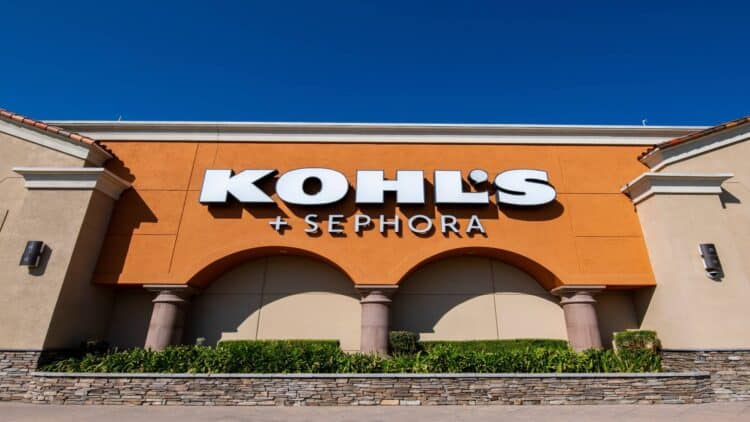
Kohl’s, a popular department store chain, has also fallen prey to the tricky economic landscape and has opted to close down 27 of its underperforming stores come April.
Is this department stores struggling?
In addition to the 27 stores, Kohl’s will also be shutting down its San Bernadino E-Commerce Distribution Center once the current lease ends at the end of May. According to the company, the San Bernadino DC is one of fifteen distribution centers across the country working with Kohl’s and they have been working with this particular fulfilment center since 2010.
The company made the decision to shut it down with the aim of fulfilling online orders directly from stores thanks to the help of new technologies that will streamline the process. According to company officials, these new technologies “would allow the company to maintain its ability to fulfill orders without the San Bernardino facility.”
The company currently has over 1,150 stores in operation across the country but will soon be saying goodbye to twenty-seven of these branches. The announcement for these store closures came out early this year, in January.
In the press release shared by the company, underperformance was cited as the reason for the closures. Officials from the company further shared that “all associates have been informed, and offered a competitive severance package or the ability to apply to other open roles at Kohl’s.”
Kohl’s chief executive officer, Tom Kingsbury also reiterated the company’s commitment to survival and growth by saying, “We always take these decisions very seriously. As we continue to build on our long-term growth strategy, it is important that we also take difficult but necessary actions to support the health and future of our business for our customers and our teams.”
Is a Kohl’s near you closing?
Here is the full list of the twenty-seven Kohl’s locations across the United States that are slated to close their doors by April:
Alabama
- Spanish Fort – 21000 Town Center Avenue.
Arkansas
- Little Rock West – 13909 Chenal Parkway.
California
- Balboa (San Diego) – 5505 Balboa Avenue
- Encinitas – 134 North El Camino Real
- Fremont – 43782 Christy Street.
- Mountain View – 350 Showers Drive
- Napa – 1116 1st Street
- Pleasanton – 4525 Rosewood Drive
- Point West (Sacramento) – 1896 Arden Way
- San Rafael – 5010 Northgate Drive.
- San Luis Obispo – 205 Madonna Road
- Westchester – 8739 S Sepulveda Boulevard
Colorado
- Arapahoe Crossing (Aurora) – 6584 South Parker Road
Georgia
- Duluth – 2050 West Liddell Road
Idaho
- Boise – 400 North Milwaukee Street
Illinois
- Plainfield – 11860 South Route 59
- Spring Hill (West Dundee) – 3000 Spring Hill Ring Road
Massachusetts
- Stoughton – 501 Technology Center Drive
New Jersey
- East Windsor – 72 Princeton Hightstown Road
Ohio
- Blue Ash – 4150 Hunt Road
- Forest Park (Cincinnati) – 100 Cincinnati Mills Drive
Oregon
- Portland Gateway – 10010 NE Halsey Street
Pennsylvania
- Pottstown – 351 West Schuylkill Road
Texas
- North Dallas – 18224 Preston Road
Utah
- Riverton – 13319 South 3600 West Ste 13 LOT
Virginia
- Herndon – 2100 Centreville Road
- Williamsburg – 100 Gristmill Plaza
Future of the company
Twenty-seven stores out of a total of more than 1,150 is a relatively small fraction, meaning that these closures could be considered a minor setback at best. If anything, closing underperforming stores and restructuring the distribution chains for online orders to be fulfilled directly in stores might actually be more beneficial to the company in the long run. Cutting your losses and shifting focus on high performing areas is purely good business practice and is likely a move adopted by retailers across the industry, particularly now during these turbulent economic times.