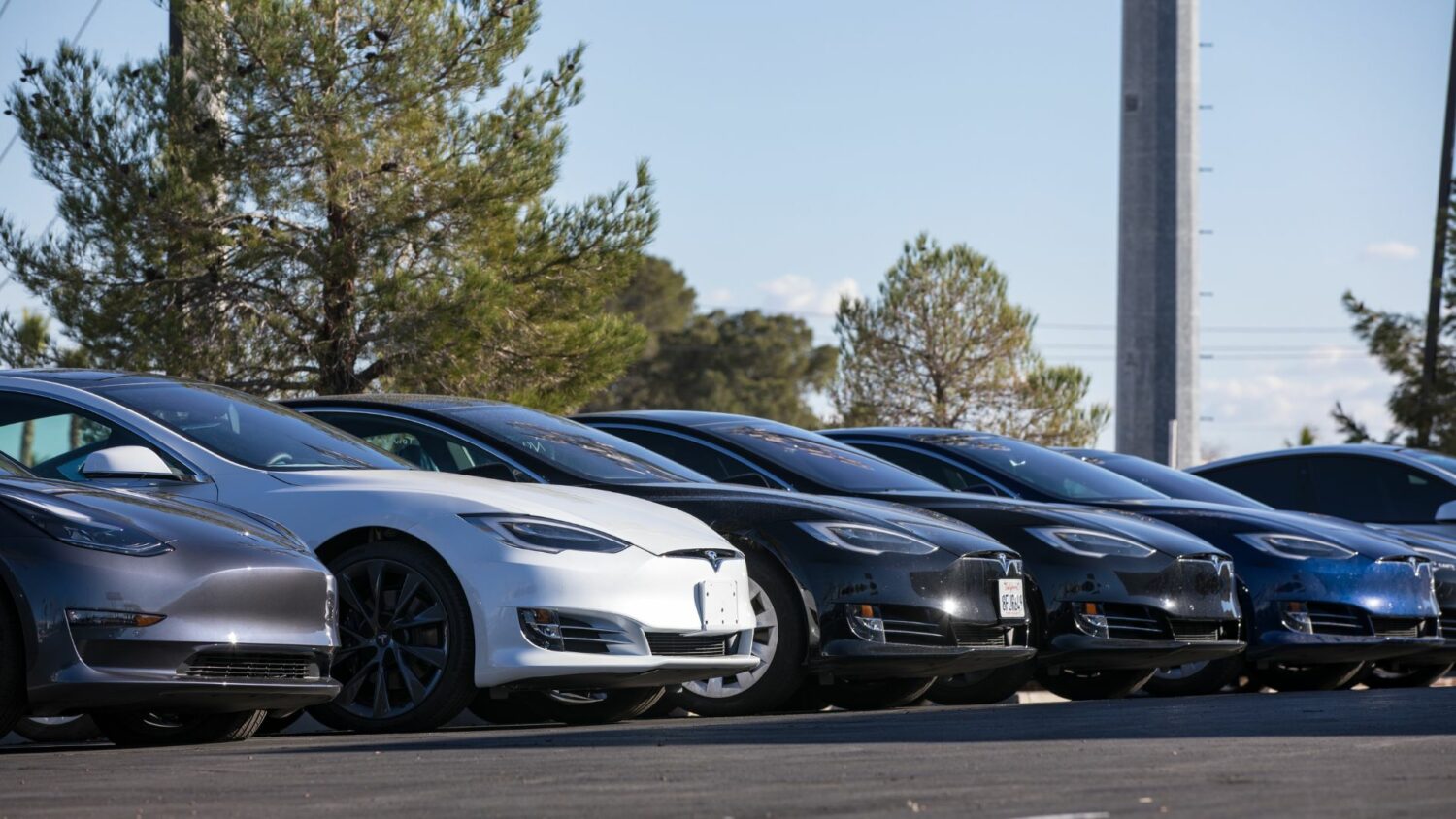
A row of two year old electric sedans rolls across a wholesale auction block outside Atlanta, each one fetching more money than it would have last year.
Nearby, a line of used pickups and midsize SUVs sits waiting too.
Their prices are sliding the other direction.
Dealers walking the lot are rethinking which keys they want to bid on first.
Something has flipped in how America values a used vehicle, and it starts with what sits under the hood, or doesn’t.
Why used electric cars are suddenly gaining instead of losing value
For years, the story on a used electric car was simple: it lost value faster than a comparable gas model, scaring off buyers who worried about a battery wearing out before the loan did. That math has now reversed at the wholesale level, where dealers buy their inventory before it ever reaches a showroom.
Two forces are doing the heavy lifting. Gas prices remain elevated and that has helped EV values stay much higher year over year versus non-EVs, even with the increase in off-lease supply , according to Cox Automotive’s chief economist. At the same time, a wave of two and three year old EVs is rolling off leases signed when manufacturers were offering steep discounts, handing dealers fresh warranty backed inventory just as demand picked up.
That breaks the old rule that more supply always drags prices down. Here, gas sticker shock absorbed the extra inventory and still pushed values higher, according to Cox Automotive’s Manheim Used Vehicle Value Index for October.
Inside the lot where the numbers are playing out
Picture a Manheim auction yard on a weekday morning, rows of sedans and crossovers rolling through one at a time while buyers bid from folding chairs and laptops. A compact electric hatchback crosses the block, and the final number surprises the dealer who expected a steeper discount.
A few lanes over, a three year old pickup sells for noticeably less than a buyer paid for a similar truck a year earlier. Larger trucks and SUVs have been the weakest part of the used market this fall, pulled down by the same fuel costs lifting electric values.
One force, two directions. Buyers are fleeing the pump toward one surging segment. The other segment suffers because it guzzles the most.
The hard numbers behind the shift, and who is tracking them
Cox Automotive published the clearest read on this in its October Manheim index report, which tracks wholesale prices across the industry every month. The report found the Electric Vehicle Index was up 6.6% year over year but down 0.9% from September.
That same trend has also caused light-duty trucks to decline by 4.3% on a non-seasonally adjusted basis year over year, much more than marketwide wholesale prices, which are higher by 0.3%. Compact cars also showed relative strength, while luxury vehicles, pickups and SUVs continued to trend lower.
This is not a one month blip. Cox Automotive’s economists have tracked EV values outperforming gas powered models for much of the year, with earlier monthly snapshots showing sustained gains that point to a real trend rather than a single month’s quirk.
Wholesale supply was 28.1 days, up 0.1 days year over year but down 0.7 days from September , Cox found. That tells analysts dealers are not sitting on unsold electric stock despite the lease return wave.
Where the trend runs into limits
None of this means every used electric car is a safe bet. The gains are concentrated in specific segments, and older EVs with degraded range or discontinued charging standards still struggle to find buyers at any price, dealers say.
Even the broader market Cox tracks shows uneven results. Luxury vehicles, pickups and SUVs continued to trend lower, not up with EVs.
That suggests buyers are reacting to fuel economy broadly, not simply chasing anything with a plug. And the math still depends on fuel prices holding near current levels, which have in fact begun easing in November after staying elevated for much of the year.
If gasoline retreats sharply, some of that upward pressure on values could cool quickly, since certified pre-owned used car sales data already show buyer behavior shifting month to month. There is also a timing wrinkle: vehicles leased during the steepest discounts are only beginning to hit auction blocks in volume.
What it means for buyers, sellers and the months ahead
For someone who leased an EV a few years ago and is now shopping to buy out or replace it, the shift is good news at trade in time. A car once written off as a depreciation trap is instead holding value better than the truck parked next to it.
For dealers, it changes how aggressively they bid at auction. Lots that once avoided electric inventory are now competing harder for it, which filters down into what shoppers see on used lots ahead.
It also connects to broader shifts reshaping how drivers charge these cars, from record sessions at public fast chargers to new pricing tools built into dealership software.
None of that guarantees the trend holds through next year. But for now, the used electric car on a dealer’s lot is becoming one of the better bets on the block, while the truck beside it loses ground.
