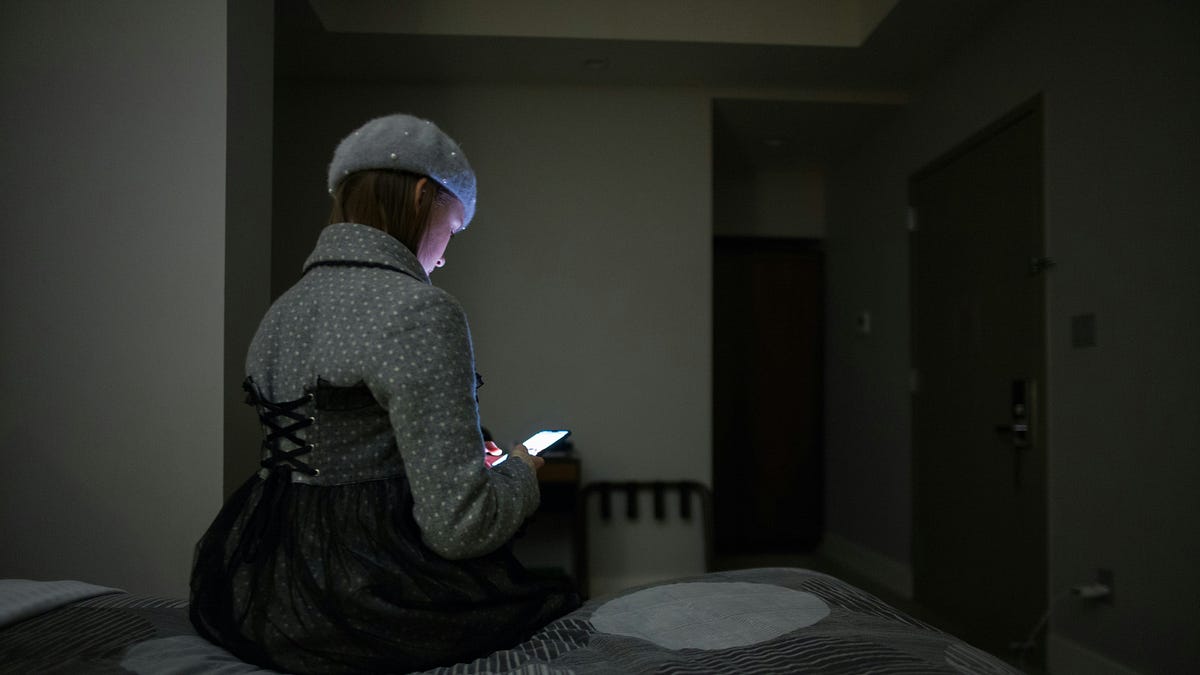
A phone buzzes on a nightstand at midnight, locked tight by a parental control app a mother installed over the summer.
By the following weekend, the screen is unlocked again.
No alarm went off.
No warning reached her own phone.
The app still shows a green checkmark, insisting everything is exactly as she left it.
So how does a tool built to hold a hard line end up looking the other way so fast?
How a locked phone quietly becomes an unlocked one
Most parental control software works by sitting between a child’s device and the open internet, filtering traffic, logging app launches, and enforcing daily time limits set from a parent’s own phone. That architecture depends on one fragile assumption, that the underlying operating system keeps cooperating with the rules the app is trying to impose.
It rarely does for long. A second browser installed from the app store can slip past filters built only for the default one, while a virtual private network reroutes traffic so the monitoring software never even sees what site a teenager visited.
A VPN can let children access websites or apps blocked by parental controls or school networks, and help them bypass time limits or usage restrictions set on devices or apps.
Even simpler options exist. A factory reset wipes the control software entirely, and resetting an Android device removes most installed apps, including parental control software. None of that requires any special technical skill, just the motivation that comes standard with being a teenager handed a locked phone.
Inside the household where the app gets tested first
Picture a typical rollout. A parent downloads an app, grants it deep permissions, and sets a bedtime cutoff along with blocks on certain apps. For the first few days it works, mostly because the teenager has not yet bothered to look for a gap.
That calm rarely survives past a week. Consumer testing that has handed parental control apps to real households reports wide variation between products, but even the toughest products showed real cracks.
One head-to-head comparison found that on an iPhone, Apple’s sandbox means Bark can scan messages, alerts, web history and social feeds, but it can’t truly block or uninstall apps, so parents will rely on Apple Screen Time for restrictions, which a savvy teen can sometimes override . That version inherits some of Screen Time’s own bypass vulnerabilities. The Bark Phone, a separate Android-based device with deeper system-level integration, can monitor SMS, calls, email, and social apps at a much deeper level because the software is part of the OS itself, not constrained by Apple’s app sandbox policies , so it does not carry the same dependency.
Which means the weakest link is sometimes not the app at all, but the phone’s own operating system underneath it. A friend’s device, a school laptop, or a second account can all quietly become the side door, and no filter on a child’s phone prevents them from using an uncontrolled device elsewhere. That single gap undercuts an entire household’s rules without the parent ever knowing a rule was broken.
What the hardest data actually shows
The clearest challenge to the whole category came from inside one of the largest social platforms. An internal Meta research effort known as Project MYST, developed with the University of Chicago, surveyed 1,000 teens and their parents and, according to testimony in a recent court case in Los Angeles County Superior Court, parental supervision, including time limits and content restrictions, had no measurable effect on teens’ compulsive social media behavior.
That same testimony indicated the study went further than simply finding no benefit. Researchers reportedly found “no association between either parental reports or teen reports of parental digital caregiving/supervision and teens’ survey measures of attentiveness or capability.”
Instead, adverse life events and individual vulnerability factors were described as more strongly predictive of overuse; teens who reported a greater number of adverse experiences reported less attentiveness over their social media use. In other words, the lock itself was not the thing determining whether a teenager scrolled less. It is worth noting Project MYST examined in-app social media supervision tools specifically, not the standalone phone-locking apps that are the focus of this piece, though the two categories share the same basic premise of parent-set limits.
Separate consumer testing suggests a similarly short runway for standalone apps to fail. Independent reviews describe a common pattern in which a motivated teen finds a workaround within roughly a week, a timeline that lines up with parents who report installing an app, feeling relief, and then discovering within days that the relief was premature. This mirrors habits this desk has tracked in how a third of adults have quit an online community once the friction of staying in it outweighed the benefit.
Where the story gets more complicated than a simple failure
None of this means every feature is worthless. Location sharing and purchase blocks tend to hold up far better than content filters, mainly because a ten year old has neither the motive nor the means to defeat them the way a sixteen year old does.
Even so, the bypass problem scales with age and determination rather than with the app’s price tag or marketing claims. One analysis summarized the pattern bluntly, noting that children routinely bypass controls using VPNs, secondary accounts, and factory resets.
Research commissioned by Childnet and Nominet found that among children who had used a VPN, 16 percent reported using one to bypass parental controls, and another 16 percent to bypass school Wi-Fi restrictions or monitoring.
Because the underlying technology keeps shifting, this is not a story where one app wins and the rest fail. It is closer to the pattern this desk saw with parents turning to online communities for advice, where plenty of trial and error happens in public forums before any household lands on something that mostly works.
What families are left weighing once the lock proves leaky
For a parent who just spent money on a subscription, the honest takeaway is not that the app is a scam. It is that software alone was never going to substitute for a harder, slower conversation about why a phone matters so much in the first place.
That reframing shows up across the research too. Reviewers who tested circumvention methods found that determined teenagers can bypass most parental controls, and as one cybersecurity educator put it, “even the most advanced apps can often be bypassed by tech-savvy youth.” That is not a reason to give up on them, but it is a reason not to rely on them exclusively.
So the lock still has a place. It buys time, catches younger kids early, and gives parents a record worth discussing even after a workaround is found.
What it was never built to do is replace the far messier work of simply staying in the conversation.
