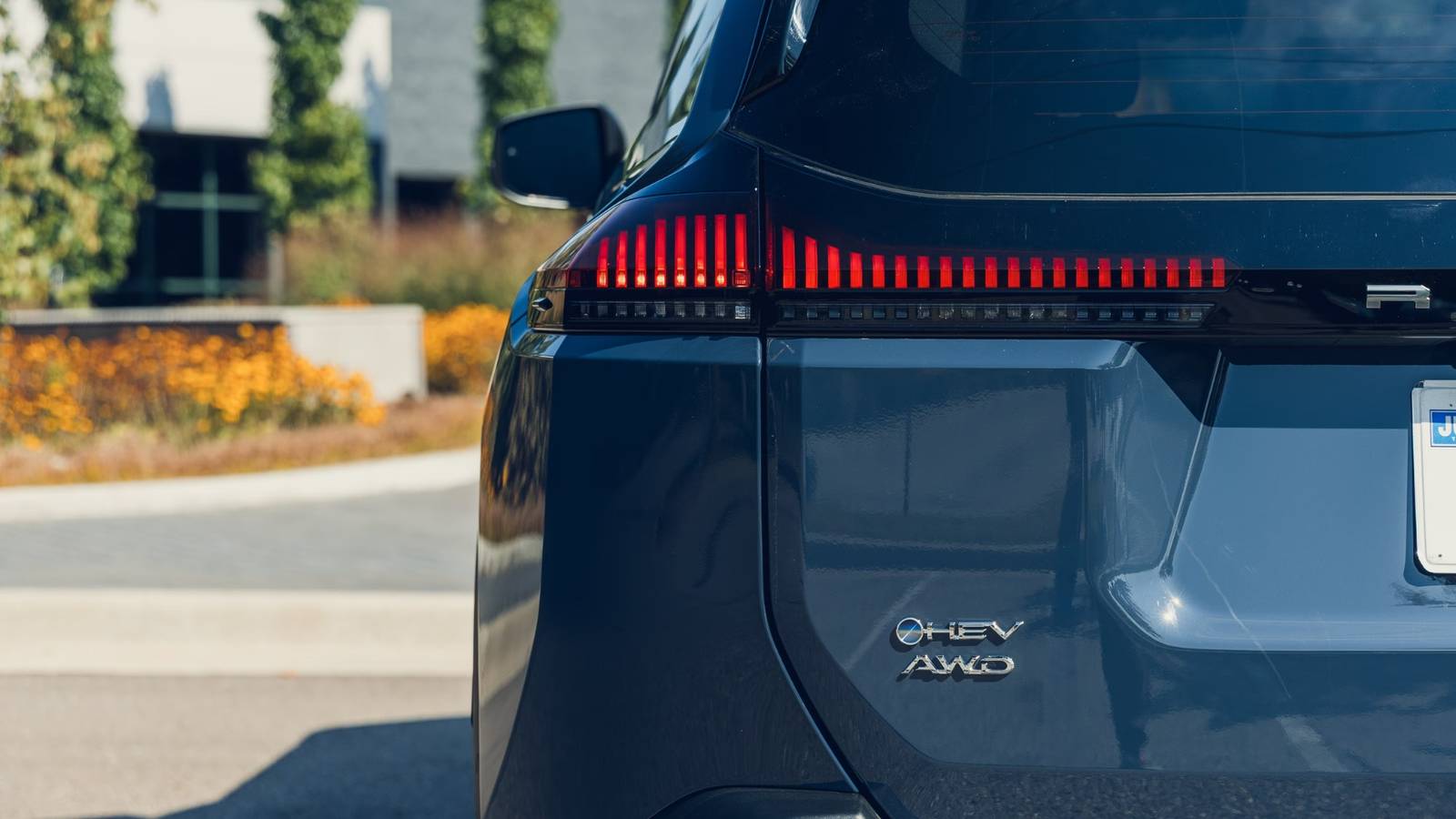
A compact SUV rolls off a hauler onto a dealership lot, its window sticker listing a gas engine paired quietly with an electric motor.
Nobody test driving it asks about the battery.
They just notice the fuel gauge barely moves.
That quiet shift in buyer behavior now shows up as a six month winning streak.
So how did one crossover come to outsell every other hybrid SUV in the country, month after month?
How one engine swap turned a familiar SUV into a hybrid sales machine
The mechanism is almost boring in its simplicity: Toyota stopped offering a gas only version of this SUV at all. The 2026 RAV4 is an all-new sixth-generation model built on Toyota’s TNGA-K platform, and it moves to a fully electrified lineup of hybrid and plug-in hybrid powertrains, dropping the previous gas-only base engine. Every buyer who wants the nameplate has to choose some form of electrification, whether they care about it or not.
That single decision removed the usual friction that slows hybrid adoption. Shoppers no longer weigh a cheaper gas trim against a pricier hybrid one parked next to it.
Toyota’s own production data shows the standard hybrid motor now accounts for the overwhelming majority of what rolls off the line, with the plug-in version filling a smaller remaining slice. Because the hybrid is the default rather than the upgrade, dealers stock it that way too, and inventory availability often decides whether a walk-in shopper leaves with a hybrid or talks themselves out of one.
Inside a record October that put the SUV back on top of its own brand
October told the clearest version of this story. According to Automotive News, Toyota moved 39,888 RAV4s in the US this October , a modest gain over last year but enough to once again make it the Japanese brand’s top-selling nameplate in the U.S. , reclaiming the title from the Camry sedan. You can see the full October breakdown here.
Toyota’s October sales breakdown shows regular hybrids doing the heavy lifting, making up about 84% of RAV4 sales, while plug-in hybrids fill in the rest. That is not a one month fluke.
The RAV4 Hybrid had already logged six straight months as the best-selling hybrid SUV in the U.S. for the last six months by the time October’s numbers landed, a run that started once the redesigned, hybrid-only lineup reached full supply. Year to date through September, the RAV4 Hybrid reached 200,209 units, making up 79% of RAV4 sales.
Even so, the SUV has not reclaimed the broader title of best-selling SUV overall. The Honda CR-V still holds that position year-to-date , since total RAV4 volume still trails last year’s pace because of the platform changeover.
Where the hard sales numbers actually come from
These figures are not estimates pulled from a press release. Toyota reports monthly US sales directly, and the October breakdown showing the 84 percent hybrid mix comes from that same reporting cycle, cross-checked against independent sales trackers that log franchised dealer registrations.
Hybrid models began arriving in winter 2025 and plug-in hybrid models in spring 2026, so the 2026 sales pattern reflects the changeover to the new generation.
That timing lines up with a broader pattern across the brand. Toyota’s electrified vehicle sales jumped 37.8% year over year in September 2026, the automaker confirmed, pushing hybrids, plug-in hybrids, and EVs to 58.2% of everything Toyota and Lexus sold in the month. The RAV4 Hybrid sold 28,642 units in September alone, a 123.2% jump over the same month last year. See the full September sales breakdown here.
So the record is not a marketing claim sitting on a dealer banner. It is a pattern confirmed across company filings, third party trackers, and six consecutive months of segment leadership.
Where the streak runs into real limits
None of that means the hybrid-only strategy is risk free. Toyota’s total RAV4 volume is still down 26.2% for the year, with sales at 293,552 versus 397,797 at the end of last October , a gap tied directly to the platform changeover and supply ramping back up at plants in Canada, Japan and Georgetown, Ky.
A sales leader in one narrow category can still be losing ground in the bigger picture.
Worse for bragging rights, the RAV4 still trails the Honda CR-V on total year-to-date volume once every powertrain is counted. That distinction matters to shoppers who just want the best-selling SUV, period, and right now that crown sits with a rival. A related piece on a record hybrid month shows the same pattern playing out model by model across Toyota’s broader lineup.
What the streak means for shoppers and for rivals chasing it
For an ordinary buyer, the practical takeaway is simple: walking onto a Toyota lot looking for this SUV now means walking onto a hybrid lot, whether that was the plan or not. That removes a familiar buying dilemma almost entirely.
The sales numbers suggest most buyers are fine without the gas-only option ever coming back.
Rivals are watching closely. The same engineering teams working on faster assembly methods elsewhere are under pressure to match this kind of hybrid-only volume without losing the manufacturing speed that keeps a model profitable.
None of that guarantees the streak continues into next year. But for six months running, one SUV with no gas-only option left on the order sheet has become the hybrid segment’s default answer, and the data behind that claim is about as hard as this industry gets.
