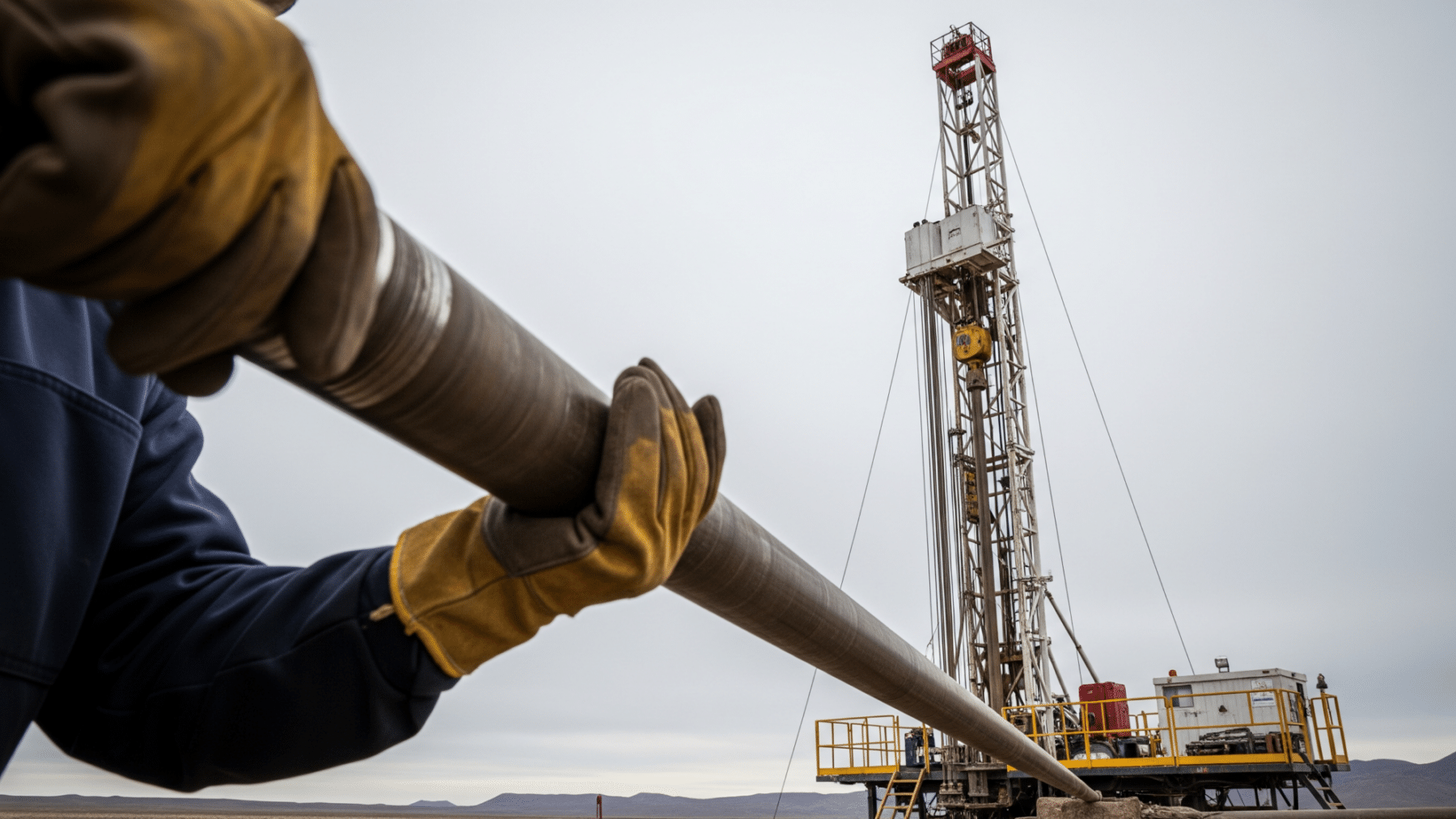
The U.S. House of Representatives passed H.R. 8790, the Next-Generation Geothermal Research and Development Act, on July 21, a bill that would expand DOE’s research, development, and demonstration program for next-generation geothermal technologies to improve technical performance and commercialization, sending the bill to the Senate at a moment when electricity demand from data centers and manufacturing is straining the national grid.
A bipartisan push for baseload power
The Next-Generation Geothermal Research and Development Act, H.R. 8790, sponsored by Reps. Pat Harrigan (R-N.C.) and Andrea Salinas (D-Ore.), passed by voice vote under suspension of the rules, a process that streamlines consideration of legislation with broad support.
The bill aims to expand federal research into advanced geothermal technology as lawmakers seek reliable, around-the-clock power sources to meet soaring electricity demand from artificial intelligence, data centers, and domestic manufacturing.
Harrigan said he was proud to see the House pass the legislation, telling the Daily Caller News Foundation that “I’m proud to see the House come together to pass this bipartisan legislation because America is going to need a lot more reliable power in the years ahead.”
What the bill would do
S. 4406 and its House companion H.R. 8790 would authorize a comprehensive next-generation geothermal program within DOE to accelerate research, development, demonstration, and commercial deployment across enhanced geothermal systems, closed-loop systems, and supercritical geothermal technologies.
The legislation requires at least one FORGE site to be capable of testing next-generation systems in supercritical conditions within one year of enactment, and establishes new commercialization-focused grant programs for in-field innovation and surface system improvements.
The bill would also establish a Next-Generation Geothermal Center of Excellence , and would address challenges related to drilling and well completion, subsurface data collection, and water use.
It would also modify an existing categorical exclusion under the National Environmental Policy Act for oil and gas exploration to also include geothermal exploration, a provision industry groups say could meaningfully shorten project timelines on federal lands.
Earlier this year, the proposal passed the House Science, Space and Technology Committee with an amendment to fortify supercritical geothermal wells that can produce more energy than other wells despite inherent risks. A companion Senate bill, S. 4406, awaits consideration by the Senate Energy and Natural Resources Committee.
The commercial backdrop
The legislation arrives as the geothermal industry is at an inflection point, with enhanced geothermal systems moving from the research phase toward commercial-scale deployment.
On February 25, 2026, DOE’s Office of Geothermal announced a funding opportunity of up to $171.5 million to support next-generation geothermal field tests, as well as characterization and confirmation drilling for next-generation and conventional hydrothermal resources.
Private investment is also advancing the technology in the field. That kind of project-level innovation at operating plants is distinct from the emerging closed-loop geothermal deals being pursued in the western United States.
Although the United States leads the world in geothermal electricity capacity with about four gigawatts, DOE analysis points to at least 300 gigawatts of reliable and flexible geothermal power potential on the U.S. grid by 2050. Closing that gap will require both commercial-scale enhanced geothermal expansion of the kind the House bill targets and the grid-integration work that experts say large geothermal projects still need to resolve before they can deliver power at scale.
Path to the Senate
The bill, as passed, amends the Energy Independence and Security Act of 2007 to direct research, development, demonstration, and commercial application activities in support of next-generation geothermal and closed-loop geothermal systems in various conditions. The committees assigned to the bill sent it to the full House for consideration on May 20, 2026.
A bill must be passed by both the House and Senate in identical form and then be signed by the President to become law. With the Senate companion still in committee, its timeline is unclear.
Still, the House voice vote signals that geothermal research funding has emerged as one of the rare areas of energy policy where members of both parties are moving in the same direction.
