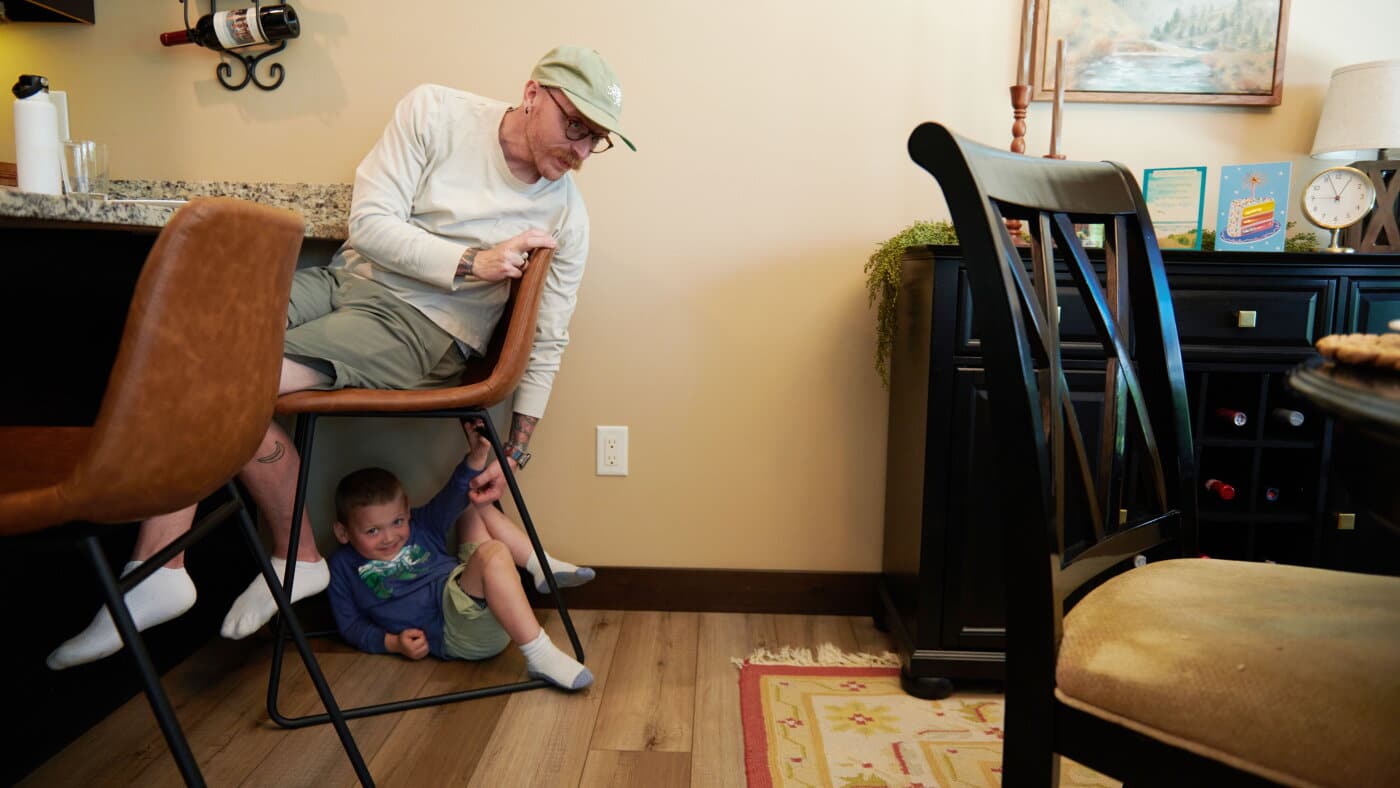
Grandparents across the United States are now putting more than $903 billion a year into their families through unpaid childcare and direct financial support, according to a nationally representative AARP Research study.
The figure, drawn from a survey of more than 3,300 grandparents, frames what researchers call a quiet but massive financial backbone propping up working parents.
How the numbers break down
Together, these contributions total $903 billion annually ($172 billion in direct financial support plus $731 billion in unpaid care), making the “grandparent economy” a quiet but powerful safety-net for U.S. families , according to the report, titled “Powering Families: The Essential Role of Grandparents in Care, Connection and Support.”
On average grandparents provide more than 500 hours of care and $2,654 in direct financial support annually for their grandchildren, often helping cover everything from basic needs to education and childcare.
Sixty-nine percent of grandparents provide some level of care for their grandchildren, while 15 percent provide care daily or almost every day , often taking on responsibilities that resemble part-time or even full-time childcare.
Ninety percent of grandparents surveyed said they provide some form of financial help , the study found.
Why families are leaning on grandparents
AARP researchers tie the trend to the squeeze of dual income households and the rising cost of formal childcare.
Dr. Debra Whitman, AARP’s executive vice president and chief public policy officer, said that grandparents are one of the most important and often overlooked sources of support for American families, and that their contributions strengthen family finances, intergenerational connection, and provide critical support to the broader economy , according to AARP’s press release announcing the report.
The shift reflects a broader change in how American households function. Separate Pew Research Center data shows 52 percent of mothers and fathers in different-sex relationships with children under 18 both work full-time jobs, as of 2025, up from 31 percent in 1975 .
That structural change, researchers say, has pushed grandparents from an occasional support role into something closer to an informal part of the family budget.
This mirrors other recent findings on how family financial roles are shifting, including research showing most parents text weekly with their adult children even after they move out, suggesting the modern family network functions as an ongoing support system rather than one that ends when children reach adulthood.
A shrinking but more active population
America is home to an estimated 65 million grandparents, down from 70 million reported in a 2018 AARP report , yet their influence on family life remains substantial.
Grandparents have an average of nearly five grandchildren, and nearly one-quarter of grandparents report having at least one grandchild who is biracial, multiracial or of a different race or ethnicity than they are , highlighting the increasing diversity and complexity of today’s multigenerational families.
In 2025 AARP surveyed nearly 3,300 grandparents nationwide, its first comprehensive study on grandparenting since 2018 . The study is based on a nationally representative survey of more than 3,300 U.S. grandparents age 35 and older, conducted in late 2025, along with qualitative interviews to capture lived experiences.
What it signals for family budgets
Grandparents report spending $2,654 per year on all grandchildren combined, which is more than the average monthly Social Security benefit for retirees of $2,071 .
That underscores how significant the informal transfer of time and money has become within family networks. Economists and family researchers increasingly treat this kind of unpaid intergenerational labor as a measurable, if uncounted, part of household economics.
The trend also connects to wider patterns in how Americans budget for everyday life, as families increasingly look for ways to stretch limited income, a dynamic also visible in recent Pew findings on household spending cuts.
As childcare costs continue to climb nationally, AARP’s researchers suggest the reliance on grandparents is likely to persist, if not grow, in the years ahead.
