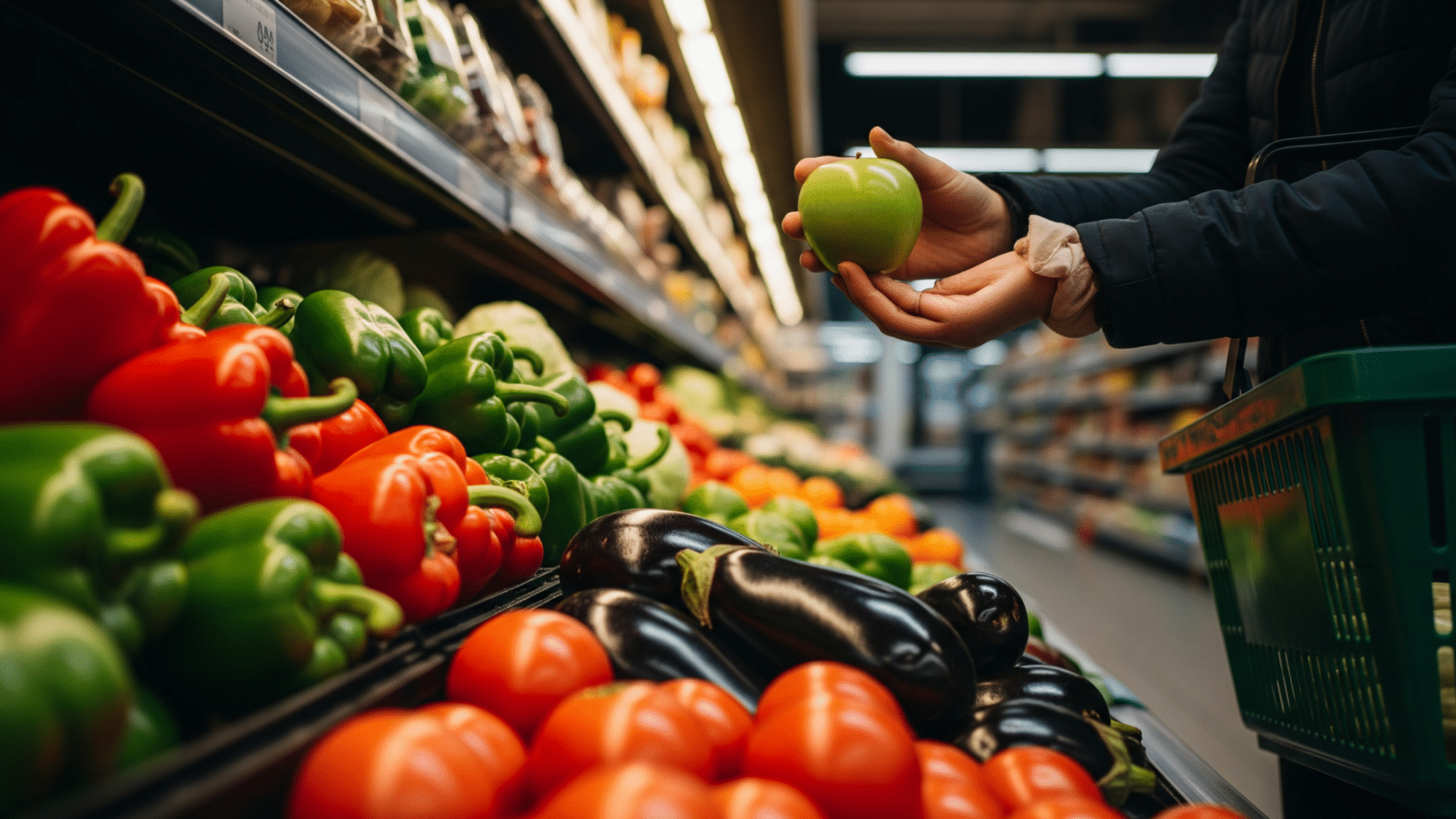
The physical grocery store is holding its ground against digital alternatives. A new nationally representative survey released by FMI, the Food Industry Association, found that the majority of American shoppers continue to place the in-person grocery experience above online channels, and the reasons they give go well beyond simple habit.
What the survey found
The U.S. Grocery Shopper Trends 2026 report, developed by FMI in partnership with The Hartman Group, found that shoppers continue to value grocery shopping in-store. The report draws on a nationally representative survey fielded February 4, 18, 2026, covering 2,023 respondents, supplemented by an online ethnographic study including in-depth interviews.
When asked what they would miss most if in-person grocery shopping were no longer available, respondents said they would miss the ability to select products themselves (48%) and experience human connection (22%).
Enjoyable experiences (22%), in-store product selection (21%), and lower cost (20%) also ranked highly. Product discovery (17%) and the ease of shopping (15%) rounded out the list.
Grocery shopping in person gives consumers a greater sense of control, confidence, and efficiency, especially when choosing perishable items like produce and meat, and plays an important social role in caring and staying connected to food, culture, and shared experiences.
Shoppers spread their loyalty across multiple banners
One of the report’s more striking findings involves where Americans actually shop. Consumers visit more than five separate grocery store banners on average per month despite growing omnichannel grocery shopping trends, according to FMI president and CEO Leslie G. Sarasin.
Sarasin said shoppers seek stores with certain personality traits that meet their household needs. One store may offer an entertainment-based shopping experience, while another offers stock-up options or bargain hunting. “It’s important for food retailers to ask themselves, ‘What personality does my store have?’ and ensure that personality grows customer loyalty,” she said.
Just over half (54%) of survey participants said they always visit physical locations to purchase groceries, with another 20% doing so most of the time, and only 15% dividing their purchases evenly between physical and online stores.
The pattern mirrors a broader finding from Salsify’s 2026 Consumer Research, which surveyed nearly 3,000 shoppers across the United States, the United Kingdom, and Canada. Brick-and-mortar stores (60%) now outrank online marketplaces (57%) and social platforms (52%) as the place where shoppers discover new products. Shoppers say discovering products in person gives them greater confidence in quality and accuracy than any digital channel.
Technology is part of the trip, not a replacement for it
Despite the clear preference for physical shopping, the FMI data shows that digital tools have become woven into the grocery routine rather than competing with it. The report found that a large share of grocery shoppers use digital technology before, during, or after their trips.
Only 15% of consumers shop at their primary store in-store and online about the same amount, indicating that blended behavior remains the exception rather than the norm.
That finding aligns with data from the Frank Mayer and Associates 2026 In-Store Retail Display Influence Report, which polled 1,119 U.S.-based shoppers who shop at physical retail stores at least once a week, excluding traditional grocery-only supermarkets. Nearly three in four shoppers reported their purchase decisions are not fully determined before entering a store, and nine out of ten survey participants said they sometimes, usually, or always purchase items they did not originally intend to buy.
Some 76% of shoppers indicated they have discovered a new product or brand after seeing it on a retail display.
Why the findings matter for retailers
The FMI data lands at a time when major chains are actively redesigning their physical footprints, reinforcing the report’s core argument: that shoppers are not abandoning stores, but are becoming more deliberate about which stores earn each kind of trip.
Americans are clearly managing tighter household budgets, as earlier GCN reporting noted, nearly half of Americans remain financially stretched even as paycheck-to-paycheck living has eased. And yet the FMI survey shows that cost alone does not explain in-store loyalty.
Only one in five respondents said finding lower cost was what they would most miss about physical grocery shopping, placing it well behind selection, human connection, and the experience itself.
That point connects to a pattern GCN has covered elsewhere: even as Americans call certain spending non-negotiable, the grocery store aisle appears to occupy the same protected category, less about price, more about the tactile confidence that no app has yet replaced.
The full U.S. Grocery Shopper Trends 2026 report is available through FMI’s website.
