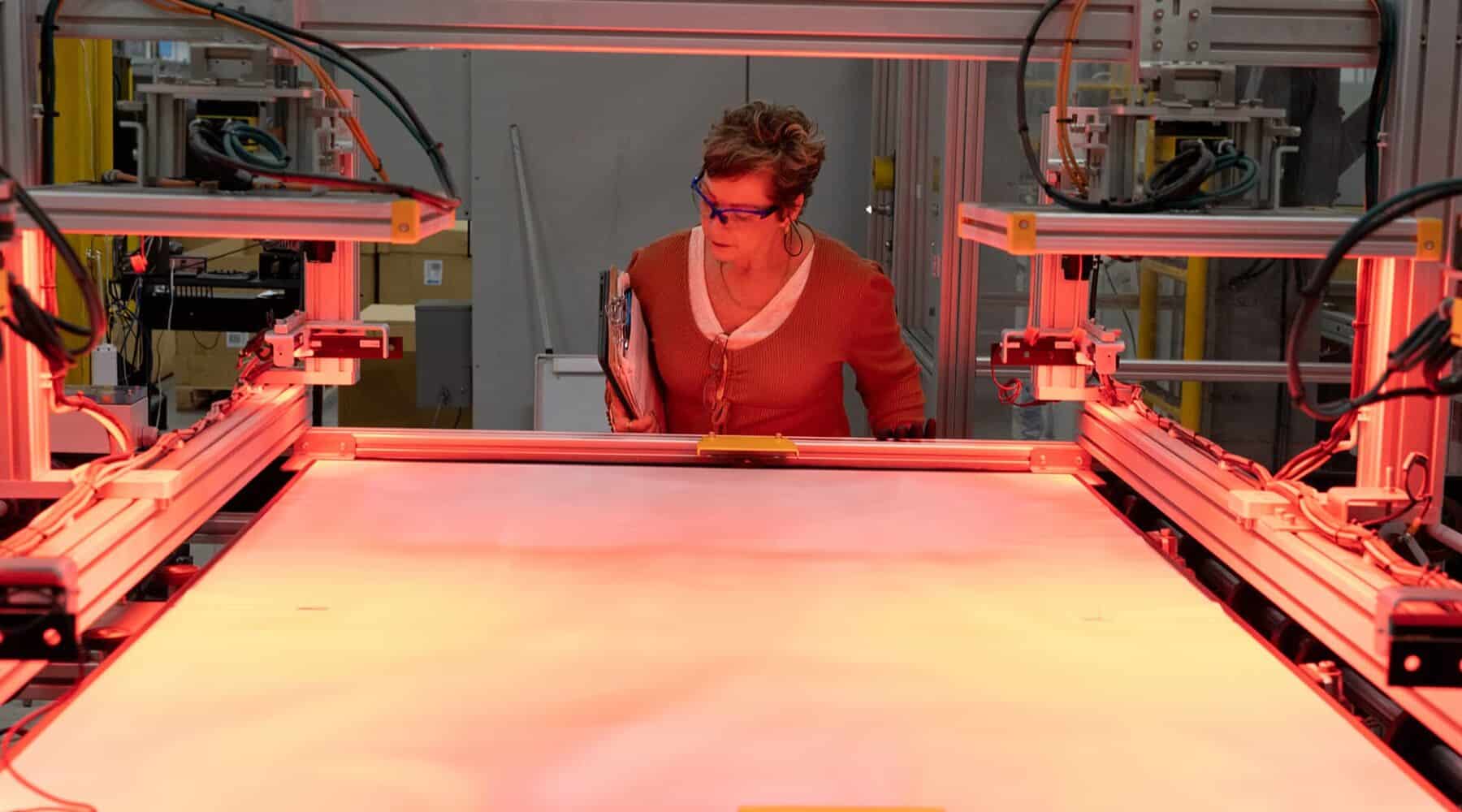
A California solar company is converting a shuttered Central Valley tomato processing plant into a new module manufacturing facility, part of a wave of domestic solar factory buildouts even as the broader industry faces tariff pressure and shifting federal incentives.
AMPS Solar plans to assemble and manufacture solar panels at a former Del Monte distribution site in Hanford, with hiring already underway, according to a local report.
A new use for an old food plant
The California-based company acquired the former Del Monte tomato processing and distribution facility in Hanford.
A new solar manufacturing facility is coming to Hanford and could create more than 600 jobs in the Central Valley over the next few years as AMPS Solar expands into the region to assemble and manufacture solar modules.
The facility is expected to operate up to 24 hours a day, with roughly 200 employees per shift.
Company marketing and business development director Cole Earley said the hiring process has already begun and is expected to ramp up once the production line becomes operational, with the facility operating in phases and positions available in assembly, manufacturing, packaging, and shipping. AMPS Solar will begin filling positions in November.
Part of a broader US manufacturing buildout
The Hanford project adds to a string of new or expanded US module and cell factories announced this year.
Qcells began commercial production of silicon solar cells at its Cartersville, Georgia plant in June, a facility that more than doubled the country’s operational cell capacity at the time.
First Solar, the largest US-based module maker, has been adding capacity in Louisiana and South Carolina as it pushes its American footprint toward roughly 14 gigawatts.
Texas has also drawn new investment, with a solar module operation there drawing a visit from a Trump administration official, and Japanese company Toyo announcing plans to add a co-located solar cell line expected to employ hundreds more workers, according to reporting on the facility.
In Oklahoma, Nextnova Solar is separately converting a former Xerox building into a solar cell plant, part of the same push to build 2 GW solar cell plant capacity that remains far smaller than the country’s module assembly base.
Tariffs and incentives are reshaping the supply chain
The factory announcements come as federal trade policy continues to reshape where and how panels get built in the United States.
A polysilicon tariff that took effect in August set a price floor that covers only a sliver of the panels assembled domestically each year, leaving most manufacturers dependent on imported wafers and cells even as they expand final assembly lines on US soil.
That dynamic has produced uneven results across the industry. Swiss manufacturer Meyer Burger shut down its Arizona module plant and scrapped a planned Colorado cell factory last year, selling off manufacturing equipment to other US-based buyers.
Newer entrants like AMPS Solar and SEG Solar have moved into the assembly segment of the market, which carries lower capital costs than building cell or wafer production from scratch.
What it means for the Central Valley
For Hanford, a city of roughly 58,000 people in California’s Kings County, the AMPS Solar project represents a significant single-site employer in a region that has seen agricultural processing jobs decline.
The company says it plans to offer both skilled and entry-level positions without requiring prior manufacturing experience, a hiring approach aimed at drawing from the local labor pool as the plant ramps toward full production.
The project’s timeline mirrors a broader pattern across the solar manufacturing sector this year, in which companies are racing to lock in capacity and jobs ahead of further shifts in trade policy and federal tax credits that have already reshaped investment decisions across the industry.
