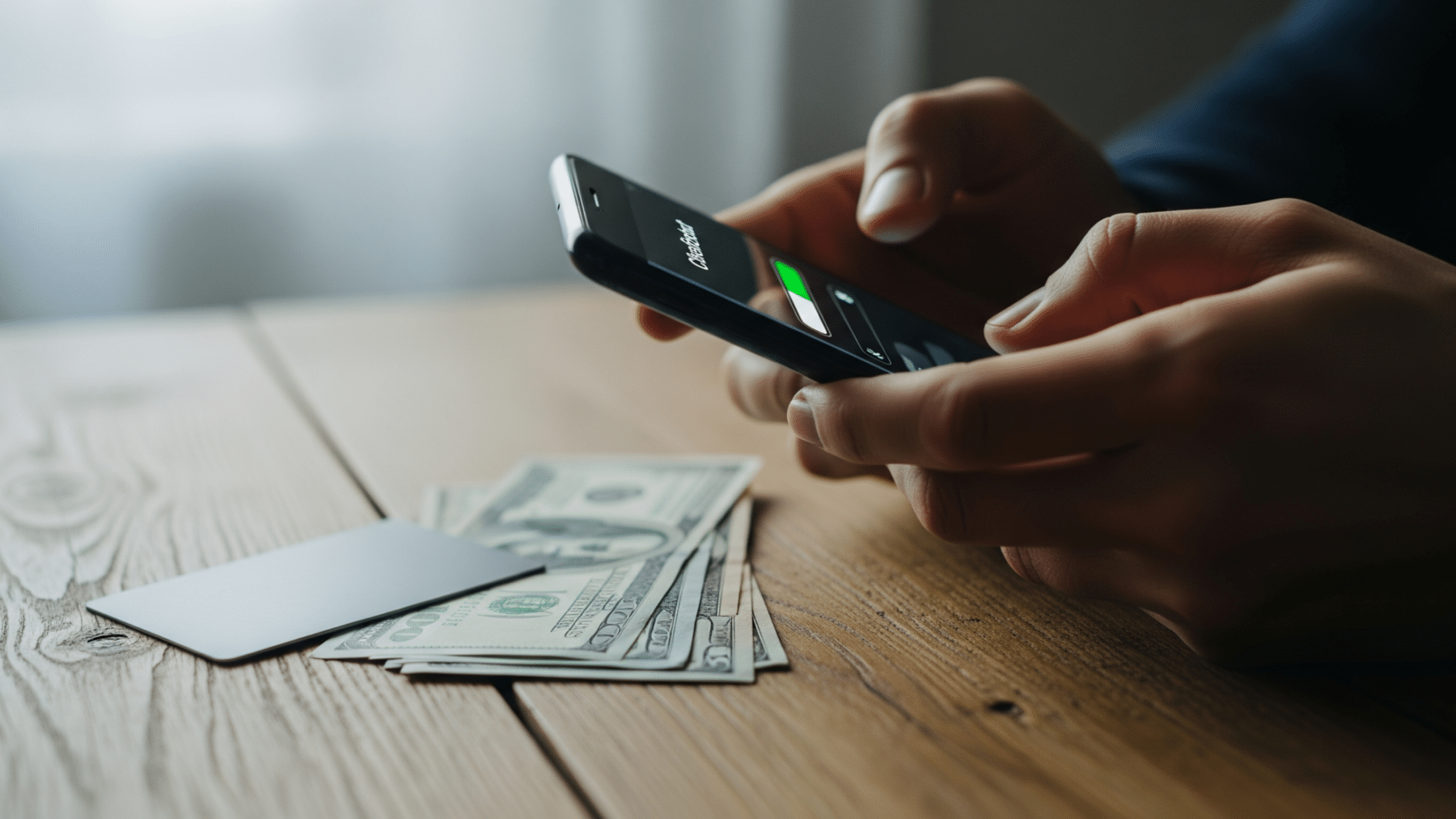
The button appears at the very last step, right before you confirm the order. Split into four. Zero interest. No credit check. It feels like the store is doing you a favor.
Tens of millions of Americans click it every week. Annual buy now, pay later spending in the U.S. is projected to hit a record $116.7 billion in 2025, according to eMarketer data, roughly double 2022 and about seven times the 2020 total.
The pitch has always been the same: no interest, no fees, no drama. But the fine print has been changing, and most shoppers have not noticed.
Why the four-payment split feels so painless to use
BNPL offers consumers instant financing on a transactional basis: a shopper might pay 25 percent down for a new sofa or a week of groceries and pay off the remaining 75 percent in three equal installments, one every two weeks.
Interest-free if payments arrive on time. That framing is deliberately frictionless by design.
Nearly 60 percent of BNPL users admit they have used it to finance a purchase they could not otherwise afford. The button does not feel like debt. It feels like a payment plan.
And the checkout math works on the brain in a specific way. Research has consistently found that shoppers who use BNPL tend to spend meaningfully more per transaction than those who pay in full upfront, an effect driven by the reduced psychological barrier of committing to a smaller first installment.
The spending numbers that should give any shopper pause
The share of BNPL users buying groceries with these loans has roughly doubled in a single year. Twenty-nine percent of users now say they have used BNPL for groceries, up from 14 percent a year earlier, according to a March 2026 LendingTree survey.
That shift matters. Groceries recur every week. Installment payments on staples stack fast.
More than half of BNPL users say they would not be able to make ends meet without these loans, with 54 percent agreeing they need BNPL to get by.
A 2025 Bankrate survey found that usage rates were notably elevated among middle-income households, suggesting the product has spread well beyond its early adopter base of occasional big-ticket shoppers.
That picture looks very different from the “occasional treat” the marketing implies. It resembles the same stretched-budget reality that paycheck-to-paycheck living data has tracked for years.
How late payments pile up faster than most users expect
A growing percentage of BNPL users say they have paid late on one of these loans in the past year, now 47 percent, up six points from the prior year and 13 points from two years ago, according to LendingTree’s 2026 BNPL Report.
Running a few days behind on a $60 installment sounds minor. The consequences have not always been minor, but they used to stay relatively contained.
That containment ended more recently than most borrowers realize.
Nineteen percent of BNPL users say they have lost track of upcoming payments entirely, creating a cascade of missed deadlines across multiple simultaneous loans.
Most shoppers also click through without knowing how many BNPL loans they are actually carrying.
The Consumer Financial Protection Bureau has found that a significant share of consumers with a credit record used BNPL services from at least one of several major providers examined, creating what researchers have called “phantom debt” that does not show up on traditional credit reports.
The rule that changed what a late BNPL payment actually costs
Here is the catch that most shoppers have never read past the checkout screen to find: credit-reporting rules changed.
Some BNPL providers are now reporting payment activity to credit bureaus. Affirm, for instance, expanded reporting to Experian to cover all pay-over-time products, including Pay in 4, for plans originated on or after April 1, 2025, and extended that reporting to TransUnion for loans issued from May 1, 2025.
That means a record of how you handled a $120 pair of sneakers, bought as casually as a grocery run, can now appear on your Experian and TransUnion credit files the same way any installment loan would.
If you have been treating BNPL as “credit-lite” because it did not show up on your report, that assumption is no longer safe, at least with Affirm. It is worth noting that Affirm’s own announcements stated the new trade lines will not be factored into consumers’ traditional FICO scores in the near term, and for TransUnion, the data is initially not visible to lenders either; but the information is on file, and scoring models are expected to incorporate it over time. Late payments of 30 days or more on reported BNPL accounts could damage your credit profile just as a missed installment loan payment would.
Most BNPL providers promote zero percent interest, but that promise comes with caveats: late or missed payments can trigger fees and, in some cases, financing charges that rival credit card interest rates.
The LendingTree 2026 BNPL Report and the Bankrate BNPL survey both document the upward climb in late payments alongside this shift in reporting practices.
What borrowers can do now that the rules have changed
The good news is real: LendingTree’s July 2026 BNPL Tracker found that 90 percent of borrowers who asked to have a late fee waived either had it reduced or eliminated entirely.
Asking, though, requires knowing a payment is late in the first place.
The small-amount, quick-approval nature of BNPL loans makes it easy to lose track of how many are active.
Listing every open loan with its provider, balance, due date, and payment amount is the recommended starting point.
Many BNPL companies now offer plans that last months to a few years and, unlike smaller short-cycle plans, these charge interest rates, usually around 15 to 20 percent, or even higher.
The button at checkout has not changed. The stakes behind it have. Knowing that before you split the payment is the only moment the information is actually useful.
