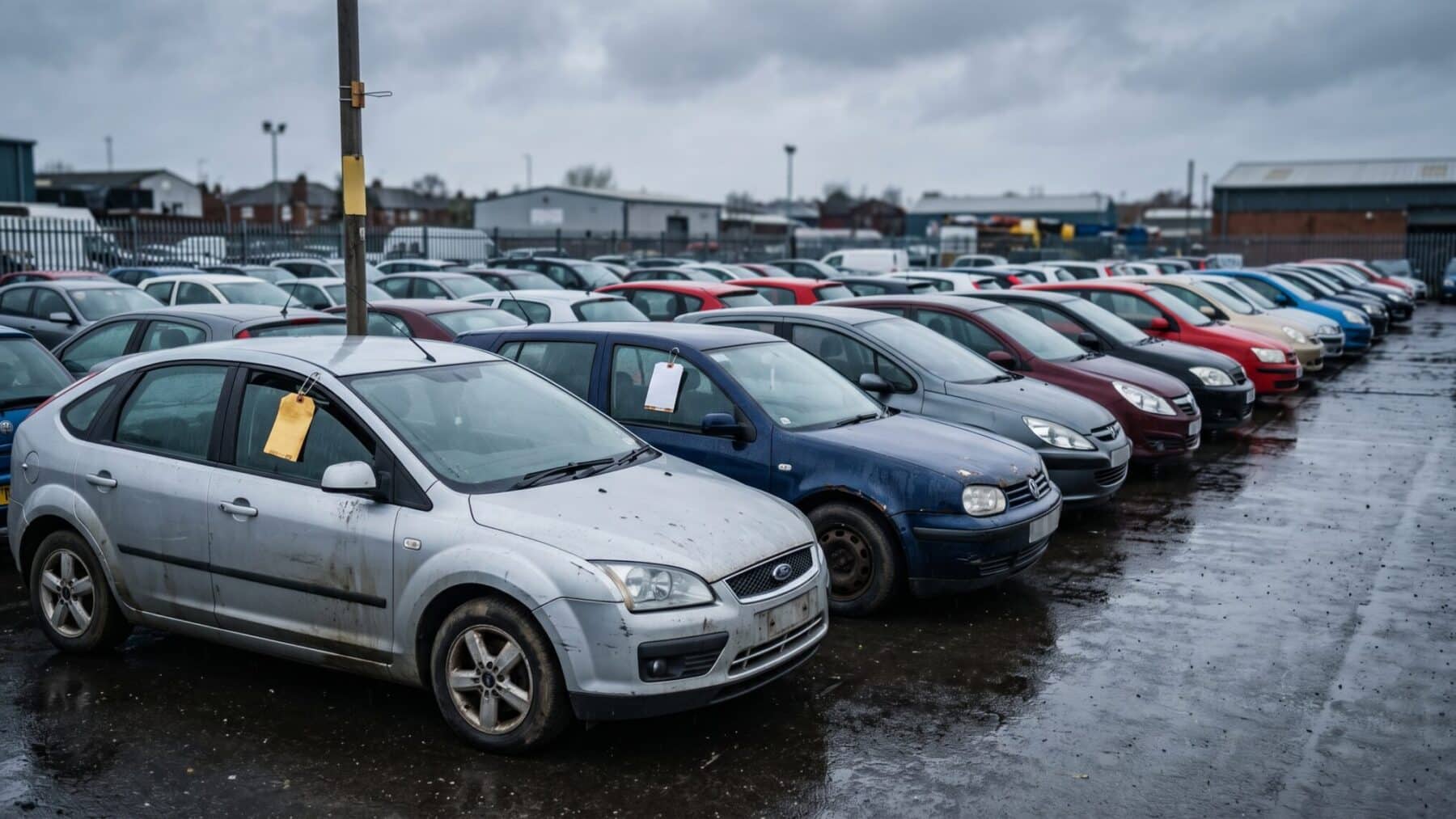
The average price of a used sedan in the United States is pressing toward $20,000 for the first time on record, even as a surge of returning electric vehicle leases adds hundreds of thousands of cars to the used market, according to the latest CARFAX Used Car Index and concurrent data from Cox Automotive.
Sedans at a historic threshold
Used cars covering sedans, hatchbacks, wagons, and similar body styles rose roughly $150 in the most recent month tracked by CARFAX, and are now threatening to break the $20,000 level for the first time. The category reached $19,986, still the only segment of used vehicles priced under $20,000, according to the CARFAX Used Car Index.
The category has long been the cheapest of the seven segments the index monitors, making the milestone a striking signal of how far post-pandemic price inflation has resettled into the mainstream used market.
The average used listing price across all segments reached $27,027 in June, up six percent year over year, the first time listing prices have topped $27,000 since the summer of 2023, according to Cox Automotive.
That broad climb sits against a new-vehicle market that remains far out of reach for many buyers. New-vehicle transaction prices hit an all-time high of $50,326 at the end of 2025, according to Kelley Blue Book. New-car prices remained near that peak through mid-2026.
That widening gap has steadily pushed shoppers who once bought new into the used lane, keeping prices firm even as supply slowly recovers.
Off-lease EVs reshape supply
Used EV prices were essentially flat in the most recent CARFAX reporting month, partly because about 300,000 EVs are returning from leases in 2026, dwarfing the roughly 123,000 that came back to the market in 2025.
That wave of off-lease supply is expected to keep growing through the rest of 2026, adding to the pool of available used vehicles.
Cox Automotive Director of Industry Insights Stephanie Valdez Streaty, who specializes in the transition to electric vehicles, noted in the July EV Market Monitor report that used EV values remained elevated compared with a year ago, reflecting growing off-lease returns and trade-ins expanding used EV availability.
Used EV sales climbed more than 10 percent year-over-year in July, according to Cox Automotive’s EV Market Monitor Report. Cox estimated used EV sales at 36,910 units, accounting for 2.4 percent of total used vehicle sales.
Inventory levels for used EVs continued to loosen in July, with days’ supply rising to 46, up 14.2 percent month over month and 13.6 percent year over year, moving above internal-combustion-vehicle supply levels for the first time since February 2026.
That expanding inventory is one reason used EVs are increasingly described by analysts as a growing value opportunity likely to see further supply gains through the rest of 2026.
The EV supply wave matters for dealers weighing their lot as well as for fleet operators. The used-EV segment is evolving quickly, a dynamic also at play for commercial operators who have grappled with the total cost of electrification, including demand charges that can add thousands of dollars monthly on top of vehicle acquisition expenses.
A market split between segments
As of mid-year, the headline is not a crash but a slow normalization: prices are steady to firm, inventory is adequate in total, and the market is quietly splitting into a fast lane and a slow lane.
Overall used-vehicle supply sat at 47 days in June, but for cars priced under $15,000 it was just 33 days, well below the market average, a stark reminder that the most affordable end of the market remains the tightest.
The average used price for pickup trucks rose by nearly $400 month over month in the same period sedans were approaching their record threshold, according to CARFAX. In the South, pickup trucks saw notable price movement, while regional variation across other parts of the country was equally pronounced.
That regional split complicates the picture for buyers shopping nationally, a trend already visible in the uneven inventory and incentive conditions documented across major US dealer lots this month.
The single biggest behavioral shift identified by analysts is in the buyer themselves: shoppers are increasingly choosing an acceptable monthly payment rather than simply a car.
Interest rates on used-vehicle loans are higher than rates on new-car loans, adding further pressure on buyers already navigating prices that, even after a modest year-over-year pullback, remain well above pre-pandemic norms. For sedan shoppers in particular, the next monthly CARFAX reading will show whether that $20,000 line holds or is finally crossed.
