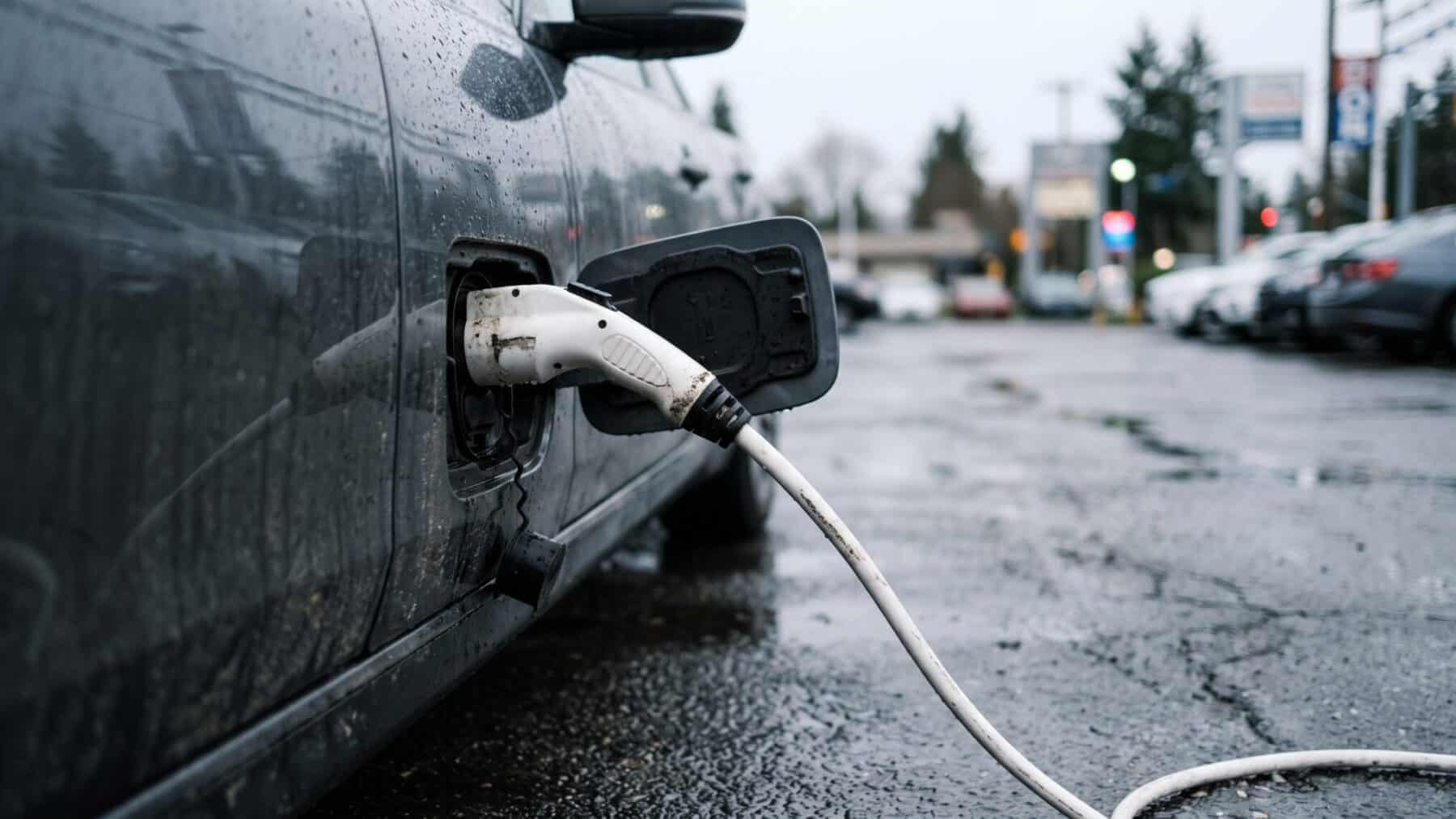
Walk onto a used-car lot today and the pitch sounds airtight.
The battery is covered for eight years. The federal government requires it. You are protected. But there is a number almost no one thinks to ask: how many of those years are already gone?
The answer can be startling. And the mechanism behind it is simpler than most buyers realize.
Why the warranty clock never resets when a used EV changes hands
Federal rules set the floor at eight years or 100,000 miles for EV battery coverage, whichever comes first. What those rules do not do is restart that clock at resale. The warranty period starts from the time the car is put into service from new , not when you buy it used.
That means every year the original owner drove the car is a year subtracted from the coverage you walk away believing you have. The mechanism is simple but easy to miss. A car first sold several years ago has its eight-year clock already running well before it reaches a used lot.
Buy a five-year-old EV today and you may have three years of battery protection left, not eight. Warranty terms vary significantly by manufacturer and model year, and some automakers may let you transfer the battery warranty but reduce the powertrain warranty , so used buyers can end up with a fraction of what they assumed. The headline number is real. The remaining number is not.
What a used EV lot looks like right now, and why these cars are everywhere
The used EV market has never been bigger or more tempting. Off-lease electrics are flooding lots, prices have dropped sharply, and inventory that felt scarce two years ago is now plentiful.
But that wave of inventory is arriving at exactly the moment when early EVs are deepest into their warranty clocks. A car first registered seven or eight years ago is nearly out of coverage, while one registered three years ago still has most of its protection intact. The gap between those two scenarios is not a technicality. It is the difference between a battery you can claim against and one you cannot.
The battery is the most expensive component in the car. A full battery pack replacement can easily reach five figures, depending on model. The warranty, when real coverage remains, is a genuine financial shield. You can also explore the record cash rebates and incentives automakers are layering onto new models right now, which gives used buyers a useful benchmark when negotiating price.
What the fine print actually says, and where the data comes from
Federal rules effectively require most new EVs to carry at least an 8-year/100,000-mile warranty on the high-voltage battery. Many warranties promise repair or replacement if usable capacity falls below around 70 percent. That 70 percent floor is the trigger. If the battery degrades below it while the clock is still running, the manufacturer must repair or replace the pack.
The “whichever comes first” rule compounds the risk. A car with 90,000 miles on an eight-year, 100,000-mile warranty may age out on miles long before the calendar date. So a used buyer faces two clocks at once, one in years, one in miles, and either can expire the coverage first.
Some legacy warranty templates were written for gas cars and bolt EV language on top. The result: a longer powertrain warranty may not transfer to a subsequent owner while the EV battery warranty does, creating confused salespeople and even more confused buyers. The safest move is the warranty booklet itself, not the salesperson’s summary.
Where the coverage does not hold, and who is most exposed
Not all certified pre-owned programs include a battery capacity floor. A CPO badge on the windshield says the car passed an inspection. It does not say the battery is covered to any minimum level. Buyers should ask to see the written warranty document and look specifically for language about minimum battery health guarantees.
High-mileage and frequently fast-charged cars carry the sharpest risk. DC fast charging, particularly at high power, can increase battery degradation due to the higher temperatures and currents involved, and frequent use may shorten the battery’s lifespan compared to slower Level 2 charging. A car that spent its first three years predominantly on highway fast-charge corridors may arrive on a used lot with a battery measurably weaker than a lower-mileage, slower-charged example of the same model.
The odometer alone will not tell you that. Charging history matters alongside mileage: two cars with the same model and similar miles can carry meaningfully different battery health depending on how and where they were charged. That is why the used EV transaction is fundamentally different from any used-gas-car deal. Understanding the difference matters even more when you consider the federal safety recall process that governs EV components, which also runs from original in-service dates.
What to check before you sign, and what still gives buyers a real edge
The good news is that the information is free to get. Ask for documentation showing when the car was first sold or registered. That date, pulled from the manufacturer’s owner portal or a brand-name dealer’s service screen, is the only number that tells you what real coverage remains.
Before any test drive, ask the dealer to pull a State of Health report from the battery management system. If they cannot produce one, an OBD-II scanner runs under $50 and works with free diagnostic apps for most popular EV brands. That single reading can be worth more than an hour of negotiation.
Battery State of Health, expressed as a percentage, is the figure that matters most. A reading above 90 percent on a car under six years old, with meaningful warranty years remaining, is genuinely strong value. Aim for cars under six years old and under 80,000 miles, and the used EV market offers something hard to find anywhere else: modern technology, low running costs and a warranty with real teeth.
