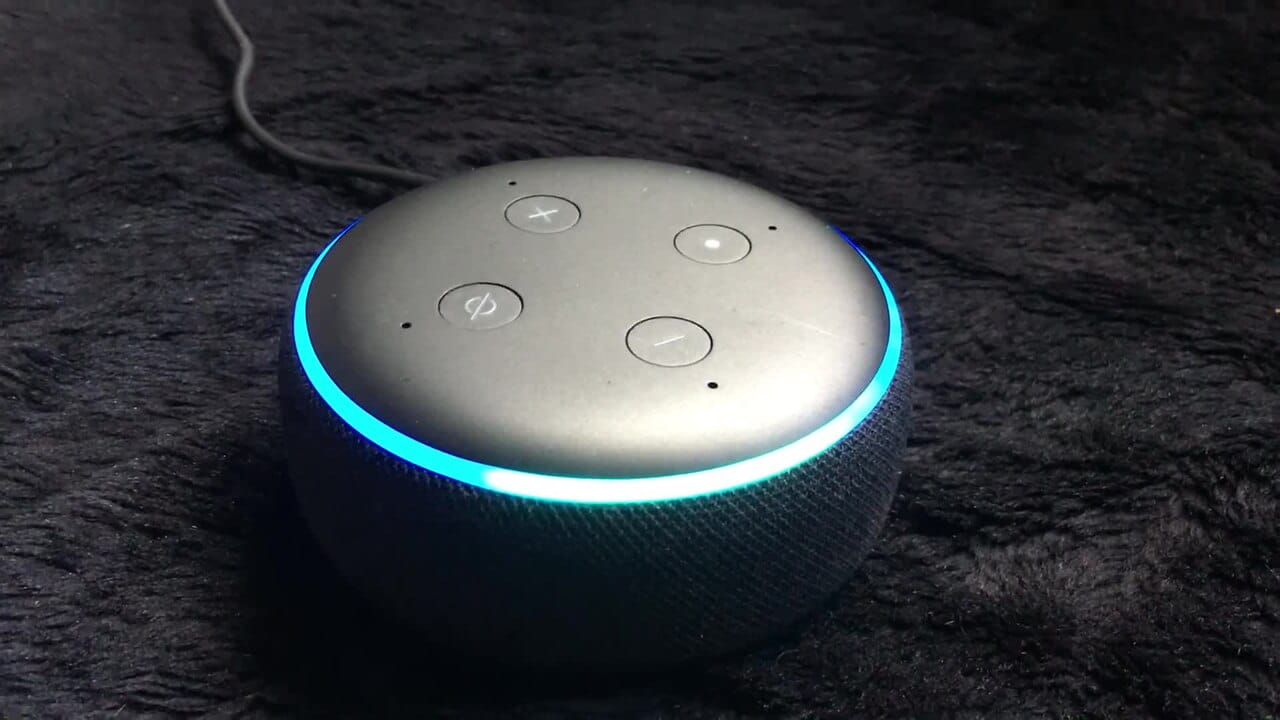
Amazon is preparing to announce at least 16 new consumer devices in the coming days, and among the most significant is a new Echo smart speaker built to run VegaOS, the company’s own Linux-based operating system that is now being extended to additional device lines within its smart-home lineup.
A broad lineup across product families
Confirmed devices in the pipeline include a new Fire tablet, a new Amazon Echo smart speaker running VegaOS, a new Fire TV remote, at least two new Blink cameras that appear to mirror two new Ring cameras, in addition to a new Ring doorbell, a security hub, and more.
Industry tracker Zatz Not Funny counts no fewer than 16 products across product lines and brands.
VegaOS has been referenced in Amazon job postings and is already powering devices such as the Echo Show 5, Echo Hub smart display, and Echo Spot smart clock. The new Fire TV devices are expected to move away from the current Android-based OS in favor of the company’s own platform, VegaOS.
New Fire TV models are also expected, and at least one, the Fire TV Stick 4K Select, features VegaOS, the new Linux-based proprietary operating system.
Amazon reportedly has no plans to roll out VegaOS to existing Fire TV devices; current Fire TV models are expected to continue receiving Android updates, while new devices will ship with the new operating system.
What to expect from the event
A noteworthy characteristic of VegaOS is the lack of support for sideloading, restricting app installations to the Amazon Appstore only, a departure from the previous Android-based Fire OS, which allowed users to install apps from third-party sources. While Amazon has positioned VegaOS devices as small and cost-effective, the new OS is more locked down than Fire OS, a trade-off that has drawn scrutiny from power users who rely on sideloading third-party apps.
How Amazon handles that tension on the Echo speaker form factor, where users are less likely to push those limits, will be one of the announcement’s more closely watched details.
On the Fire tablet side, Amazon has been expected to push into higher-end territory. As part of a project known internally as Kittyhawk, Amazon plans to release a higher-end tablet as soon as next year, offering the Android operating system software for the first time, according to six people familiar with the matter. This new premium Fire tablet will run on a version of Android, specifically the open-source version, which means access to Google’s app store would not come automatically.
One source says Amazon is discussing a price point of around $400, which would almost double the price of its current higher-end model, the Fire Max 11 ($230).
Since the Fire tablet’s introduction in 2011, Amazon has used what is known as a “forked” version of Android with custom modifications that make it work like a unique operating system. Amazon has long sought to undercut hardware rivals with inexpensive tablets and other devices that serve as a doorway to the firm’s digital content, like e-books, videos and music, with devices typically sold at or near manufacturing cost. The reliance on Fire OS limited app access and discouraged some developers from supporting the platform.
A device running open-source Android at a premium price point would represent a significant repositioning for a product line that has historically competed almost entirely on price. Sources cautioned that the Kittyhawk project could face delays or even cancellation due to concerns about costs or other strategic factors.
Alexa+ hardware integration
The new devices are expected to arrive ready for Alexa+, Amazon’s AI-upgraded voice assistant that the company introduced in 2025. Alexa+ is reportedly being extended through new integrations with third-party devices including Samsung televisions, BMW vehicles, and connected home products.
The wider ecosystem push is notable for how it reaches beyond Amazon’s own hardware. Amazon has reportedly been adding the next generation of Alexa Custom Assistant, powered by Alexa+, to select BMW models. Samsung is also said to be adding Alexa+ to its smart televisions.
That reach matters because the new Echo’s VegaOS foundation is designed to underpin a tighter, more integrated Alexa+ experience. Consumers who already manage app subscriptions on their phones alongside smart speakers will find the updated Echo sitting at the center of an increasingly interconnected household stack, one that Amazon is clearly engineering to run on its own software from end to end.
Scale and timing
Once Apple relinquishes the iPhone Ultra stage, Amazon is poised to announce a slew of new gadgets in the coming days. The slate spans multiple product lines and brands, with Blink and Ring cameras, Echo smart devices, updated Fire TVs, Kindle devices, and a new entry-level streaming stick among the categories represented.
The scale of the rollout echoes a pattern Amazon has followed in recent fall cycles, typically timing launches to land ahead of the holiday shopping season.
Given that hardware subscriptions and software dependencies have become a growing concern for consumers investing in connected devices, how Amazon prices and structures ongoing services alongside these products could be as consequential as the hardware specs themselves.
Amazon has not publicly confirmed a specific date or venue for the announcement as of publication.
