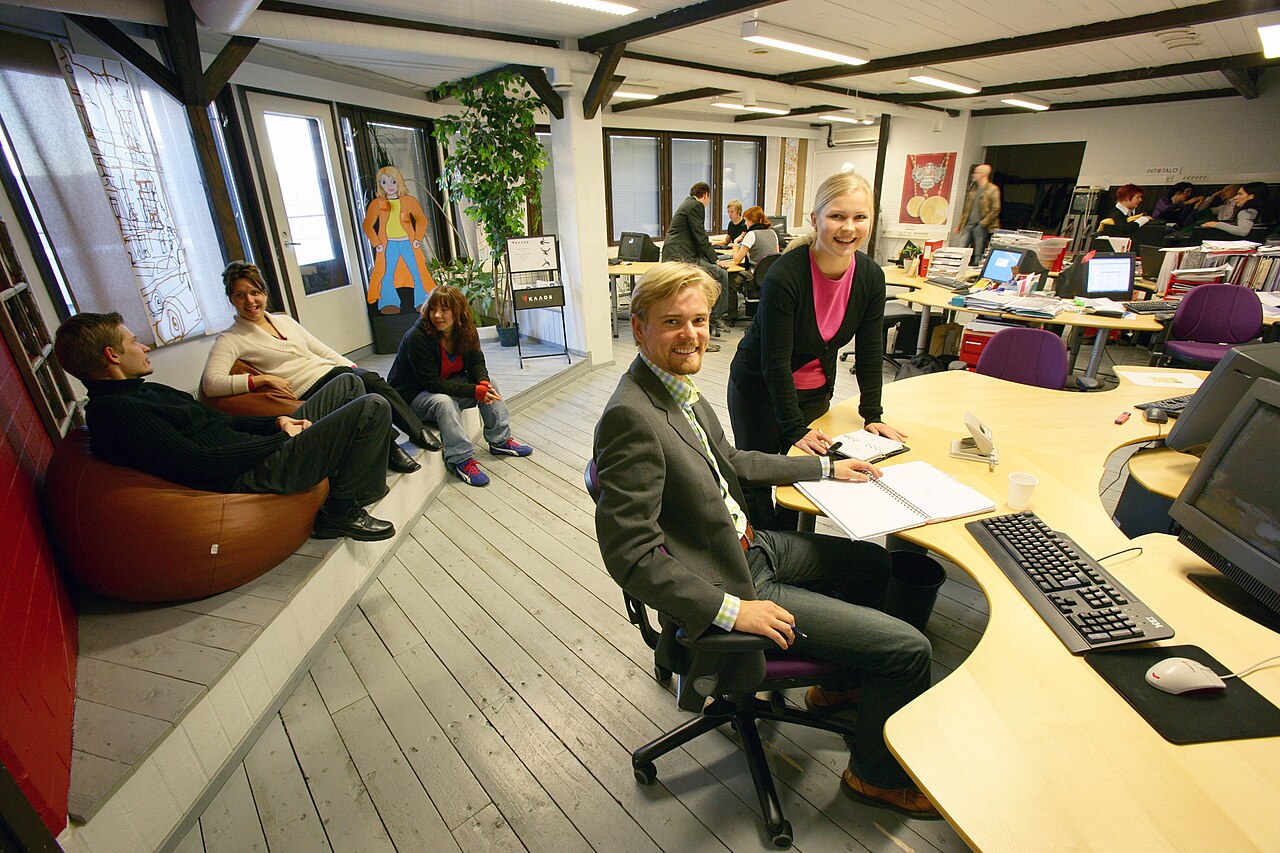
Picture the average American office at nine on a Tuesday morning.
Someone sends a clipped, dismissive reply to a colleague’s question. A manager rolls their eyes in a meeting. A group chat message lands with a tone nobody would use face to face. Each of those moments feels small. Multiplied across every workplace in the country, they add up to something economists can now put a number on. So what is the mechanism that turns a single sharp email into a measurable hit on a company’s finances?
How a single rude moment drains nearly $20 from a company’s bottom line
The financial sting of a snippy email or a dismissive glance is not abstract. Researchers tracked roughly 37 minutes of lost focus per act of incivility and, applying the average self-reported hourly pay rate of $32.12, calculated that each uncivil act costs an organization approximately $19.74.
That is the direct mechanism: a worker on the receiving end of rudeness stops focusing, ruminates, vents to a colleague, or simply disengages for the better part of an hour. The damage is not dramatic or visible. It is slow, distributed, and nearly invisible on any single day.
A worker who witnesses rudeness, not just receives it, suffers the same concentration loss. That is why the daily tally runs so high, and why the ripple effect runs from reduced focus and absenteeism straight to the bottom line across every sector.
What the daily $2.1 billion cost actually looks like across American workplaces
The figure that anchors this story comes directly from a quarterly tracking study. US workers collectively experience 208 million acts of incivility per day, and US organizations lose roughly $2.1 billion daily in reduced productivity and absenteeism. That cost resets every morning before the first cup of coffee is poured.
The peak was even sharper. In the final quarter of last year, losses exceeded $2.7 billion per day, an increase of over $600 million from the previous quarter. That single-quarter jump is the equivalent of a mid-sized company’s entire annual payroll evaporating, not through a crisis or a layoff, but through everyday workplace friction. The number compounds because each incident triggers a chain reaction, not just one distracted worker.
Some workers would pay to make it stop. Over one in four said they were likely to leave their jobs in the year ahead because of experiencing or witnessing incivility. That threat of departure is itself a measure of how much rudeness costs people in ways that wages cannot capture.
Where the numbers come from and how researchers track daily rudeness
The SHRM Civility Index is a quarterly pulse survey designed to gauge prevailing levels of workplace incivility. Respondents report how often they have personally experienced or witnessed uncivil behavior over the past month, and that distinction matters: a worker who sees a colleague humiliated in a meeting is counted even if the slight was not directed at them.
The index showed incivility at record highs in the fourth quarter of last year, with political viewpoint differences cited as the leading driver by a majority of workers. That sustained rate is what drives the aggregate dollar figure so high even when any single act costs less than twenty dollars.
Turnover compounds the problem further. Benchmarking data puts the average cost per new hire at $4,683, meaning that when incivility triggers someone to quit, a secondary wave of recruiting and onboarding costs lands on top of the daily productivity drain. The two losses accelerate rather than cancel each other out.
Why heightened workplace stress is making the problem measurably worse
The daily rudeness count does not sit still. Political viewpoint differences were the leading cause of workplace incivility in the most recent quarter, cited by more than half of workers, and that share rose sharply over the course of the year. Layoffs add further pressure: workers who feel insecure or overloaded tend to treat each other worse, and the cost meter accelerates accordingly.
Meanwhile, the rise of dual full-time working households adds a layer of stress that workers carry straight through the door. Nearly three in four workers, 74 percent, agreed their manager could have done more to prevent incivility, yet only 25 percent believe managers are actually effective at curbing it. That gap between the problem and the response feeds the cycle every quarter.
What the evidence says about breaking the cycle before the daily cost climbs further
The cost is large, but the index research consistently points to one lever that moves the number. When executives and supervisors model and codify civil behavior, trust and performance improve measurably. Leadership behavior, more than written policy, is what shifts the daily tally.
That finding matters against the backdrop of a broader social shift. Research on the rise in Americans eating alone suggests the social fabric supporting everyday courtesy is under strain well beyond office walls. Workers who feel disconnected at home bring that fraying into their jobs, and the rudeness bill follows.
Two-thirds of workers in one poll said incivility directly reduces productivity, and 59 percent said it lowers morale. Those are not abstract attitudes; they are the inputs that produce the $19.74 per-act loss, repeated across every working day.
A large share of respondents expect the uncivil behaviors they encounter to stay the same or worsen, with political polarization and workplace stress cited as the main drivers. Even so, the quarterly index has shown that when organizations set clear expectations and train managers deliberately, scores improve within a single measurement period. The number is not fixed. It just requires someone to decide the daily bill is too high to ignore.
