Two people sit three rows apart on the same evening flight to Chicago, same cabin, same recline, same tiny bag of pretzels.
One paid $287.
The other paid $612.
Neither got a better seat, a better meal, or a faster boarding group.
They just happened to click buy on different days, which is the only thing that separated their receipts, and that gap is the whole story this piece is built around.
How does the exact same seat end up with two completely different price tags?
The answer sits inside something called a revenue management system, a piece of software most travelers never see and few airlines explain out loud. Every seat on every flight is sorted into a limited price allotment called a fare bucket long before a single passenger searches for the route. Every economy cabin seat divides into roughly 20 different fare buckets, each with its own price and restrictions, using letter codes like Y, B, M, H, Q, V, W, T, S, K, L, G, with the cheapest bucket often holding just a handful of seats. Once those sell, the system quietly closes that door and opens the next one up.
That single mechanic explains almost every confusing price jump travelers report. A fare that sat at $250 for weeks can suddenly show $350 overnight, not because anyone raised a price by hand but because the cheapest allotment sold out. A flight might allocate 40 seats to the Q bucket at $250, 30 to the H bucket at $350, and 20 to the M bucket at $475, and when Q sells out, the system opens H class at the higher price, automatically and without a human touching the fare.
So the ticket is never really one price. It is a sequence of trapdoors in sequence, each one triggered the moment the bucket beneath it empties, and the traveler only ever sees whichever door happens to be open the second they load the page.
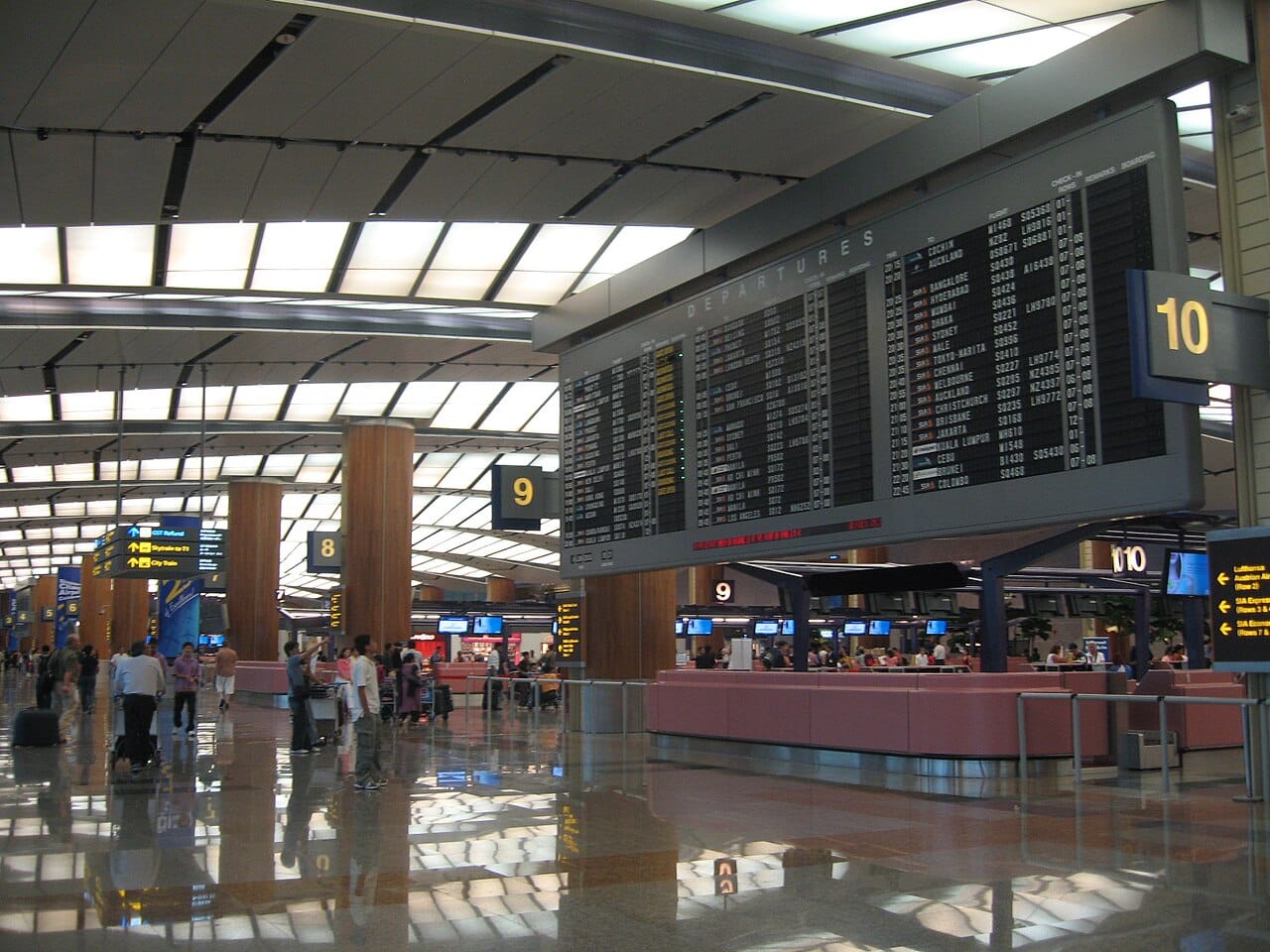
Picture the board behind the booking screen, not the one at the gate
Airlines are increasingly layering something called continuous pricing on top of the older fixed bucket model, letting fares move in smaller steps instead of jumping straight from one fixed class to the next. A longtime flight booking site that tracks these fluctuations notes that airlines update their fare information three times a day, and a single seat on a domestic flight can change price up to 35 times before departure.
That is not a rounding error or a glitch some engineer forgot to patch. It is the intended design, built to squeeze every seat toward whatever a buyer at that exact moment seems willing to pay. The site frames it this way: these mid-day changes are not random, they are the result of a complex interplay of demand, availability, and algorithms, not a single fixed number waiting to be discovered.
Those signals are mostly about the crowd, not the individual. When the lowest bucket sells out, the next priced one becomes the floor, so the price of the flight appears to rise even though nothing about the plane has changed, a pattern built from aggregate booking pace rather than any single shopper’s browsing history.
And the system does not just climb. It can reverse itself within days. Once the cheapest bucket sells out, the system closes it and opens the next higher one, but if demand softens, airlines may reopen cheaper buckets again, creating visible price drops, so a ticket that looked expensive one week can look considerably cheaper the next.
What the economics of airline pricing actually protect
The oldest layer of this system has decades of documented economics behind it, not guesswork. An explainer published by University of Southern California’s engineering writing program lays out the strategy airlines use to protect their highest paying customers: airlines work to minimize the revenue loss from spill by trying to push low paying passengers into the spill group instead of high paying passengers, doing this by protecting, or reserving, a group of economy seats on every flight for full fare flyers.
That protection explains why booking early does not always guarantee the cheapest fare, since a chunk of seats is deliberately held back regardless of how slowly the flight is selling.
The same explainer also notes that this balancing act is imprecise by nature. There is often spill even when a flight is full because there are more people interested in the flight than there are seats, with airlines largely left to educated guesswork despite their best efforts to minimize it.
Why prices don’t fall in a smooth, predictable line
Even so, the model has real limits that catch travelers off guard. Fares do not glide downward in an orderly countdown to departure. Far out, the cheap buckets are usually still open, but as seats sell and departure nears, those low buckets close one by one and the price drifts up, which is precisely when many travelers assume a last minute deal might appear instead.
Routes with less competition also behave differently than busy ones. A route served by only one or two carriers can hold a stubbornly high price no matter how far in advance someone books, because there is no competing fare pulling the ceiling back down.
That unpredictability is the uncomfortable part for anyone hunting a system to beat. There is no universal magic day, and the booking habits people swear by often reflect a handful of lucky outcomes rather than a rule the software actually follows.
What this means for the next person booking a seat
None of this makes air travel rigged against any one flyer in particular. The same engine that raises a fare for a late booker also drops fares for routes that are not filling fast enough, which is how empty looking flights sometimes turn up a surprisingly low price close to departure.
What it does mean is that the ticket price on any screen is a snapshot of a constantly shifting system, not a fixed number waiting to be discovered. Treating a fare as temporary, not final, is closer to how the system was actually built to behave.
That shift in mindset connects to something bigger happening in travel planning generally, where more Americans now book trips around tighter budgets than in years past. And it echoes a broader pattern researchers have found in spending psychology, where small, split or shifting numbers at checkout quietly change how people decide, the same dynamic behind split payment plans.
The honest takeaway is less a trick and more a fact worth carrying into the next search bar. Two travelers booking the identical seat, days or even hours apart, are not failing or succeeding at some secret game. They are simply catching two different moments in a machine that never stops recalculating, and understanding that machine is the closest thing to control a traveler actually has.
