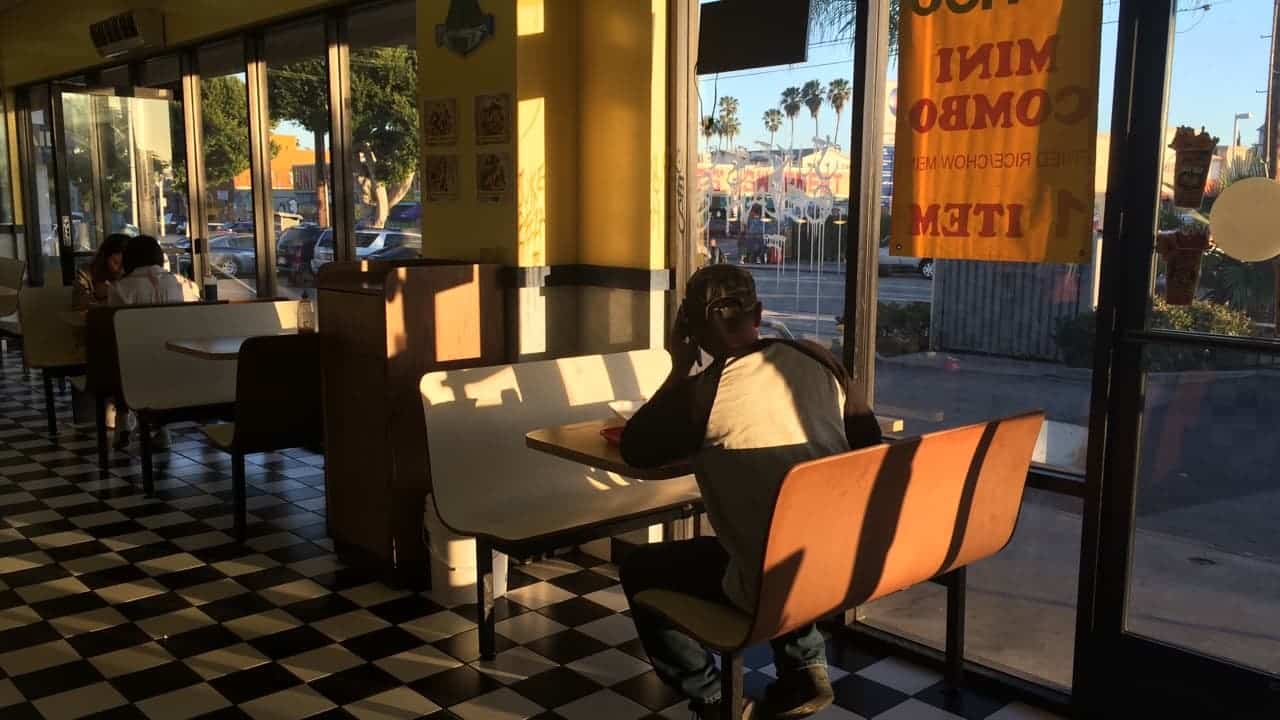
A server slides a single plate onto a two top table, clears the extra chair, and leaves one set of silverware behind.
No one at the table is waiting on a text back.
No menu gets passed around or debated.
Just one diner, one plate, and a slow unhurried bite.
It looks like a small, almost forgettable moment.
But new research on why people choose this keeps landing on the same surprising word: control.
Why eating alone by choice works differently in the brain than eating alone by accident
The mechanism researchers keep circling back to is simple: it is not the empty chair that shapes the experience, it is whether the person sat there on purpose. Psychologists call this distinction self-determined solitude, meaning solitude a person actively wants versus solitude forced on them by circumstance.
Researchers have found solo dining motivated by self-determined solitude can be a positive and healthy experience for individuals, while solo dining that is not motivated by self-determined solitude can trigger physical and mental health problems. Same empty chair, opposite outcome, depending on who picked it.
So the habit itself is not the variable worth watching. The real signal is whether a diner is hiding from company or simply choosing a quieter kind of meal, free of the usual negotiation over where to sit or what to order. Related work on solitude more broadly backs up the same split: the negative effects of time alone tend to ease when that time is chosen rather than imposed, while the calming benefits of solitude persist regardless.
What the choice actually looks like across a packed dining room
Picture the modern solo table: no phone propped against the water glass, no scrolling between courses. Researchers studying restaurant-goers who dine alone on purpose describe a kind of attentive slowing down, where food, not conversation, becomes the center of the hour.
That shift shows up in the reasons people give for picking a table for one in the first place. The same research team’s review of workers across different age groups found voluntary solo dining was more evident among people in their twenties, who most often cited eating at their own pace, while other age groups more often pointed to a lack of time or having no one to eat with. People are not settling for the single table. Many are asking for it.
One writer covering the shift reported on the trend, citing the same 2021 study’s finding that students who chose to eat alone, known as self-determined solitude, did not have negative outcomes of solo dining but instead found the “solitude can be constructively used to develop cognitive and emotional skills.” Even the ordering process changes, since a solo diner skips the usual table compromise that forces latecomers to pick something different from whoever orders first.
The evidence behind the reframe, and where researchers actually looked
The clearest test of the chosen-versus-forced divide came from a cross-sectional study of South Korean university students. An online survey was conducted on 372 university students, asking about their solo dining habits, their motivation for solitude, and their depression scores.
The results split cleanly along the same line the mechanism predicted. Students who live alone, those in poor health, and those with more frequent solo dining experiences had higher depression scores than others, whereas satisfaction with solo dining was high when voluntary solitude was high.
Researchers summarized the risk group plainly. University undergraduates who live and dine alone, owing to non-self-determined solitude, are highly vulnerable to mental health problems, including depression, a warning that separates this work from older, blunter claims about eating alone.
A broader body of work across several countries has tracked solo dining’s rise in restaurants from Europe and Australia to the United States and Asia, describing it as a trend reshaping how dining rooms are designed and staffed.
Where the comfortable version of solo dining stops holding up
None of this means every solo meal is secretly therapeutic. The same body of research is careful about where the benefit ends, and it ends quickly once solitude stops being a choice.
Living arrangement matters just as much as mindset. A separate nationwide analysis of 23,066 adults from South Korea found that 12.7% lived alone and 87.3% lived with others, and the prevalence of depressive symptoms was 10.6% among those living alone and 4.7% among those living with others, a gap of roughly double.
Gender added a layer researchers did not expect. Female students displayed higher depression scores when they had low self-determined solitude or high non-self-determined solitude, and when they had a higher frequency of eating lunch alone, compared to their male counterparts. The same empty chair, in other words, can carry different weight depending on who sits in it and why.
Anticipated judgment from nearby tables can also shape whether someone walks in the door at all, a dynamic unrelated to that night’s actual mood.
What the research means for anyone eyeing a table for one
Step back from the numbers and the picture is reassuring rather than alarming. Choosing to eat alone, on a night when no one forced that choice, lines up with better mood and sharper enjoyment of the meal itself, not isolation creeping in.
That finding fits neatly beside other recent signals about how people are deliberately restructuring their social lives, from younger adults slowing their digital habits on purpose to older adults actively seeking new friendships later in life. Solo dining, read this way, is one more act of deliberate choice rather than a retreat from connection.
The caution researchers attach is really about circumstance, not the fork and the empty chair. Someone eating alone because they want quiet is doing something psychologists now treat as healthy.
So the next time a server clears that extra chair without asking, it is worth noticing which version of the story is actually happening at the table.
