One Detroit automaker just posted the biggest quarterly haul in its history.
Fifty billion dollars moved through the books in three months. No flashy gadget drove it. No surprise launch made headlines.
Just steady demand for the same kind of vehicle that has carried this company for decades, which raises the obvious question of how a truck heavy lineup produced numbers this large.
How a truck-heavy lineup turned into a record quarter
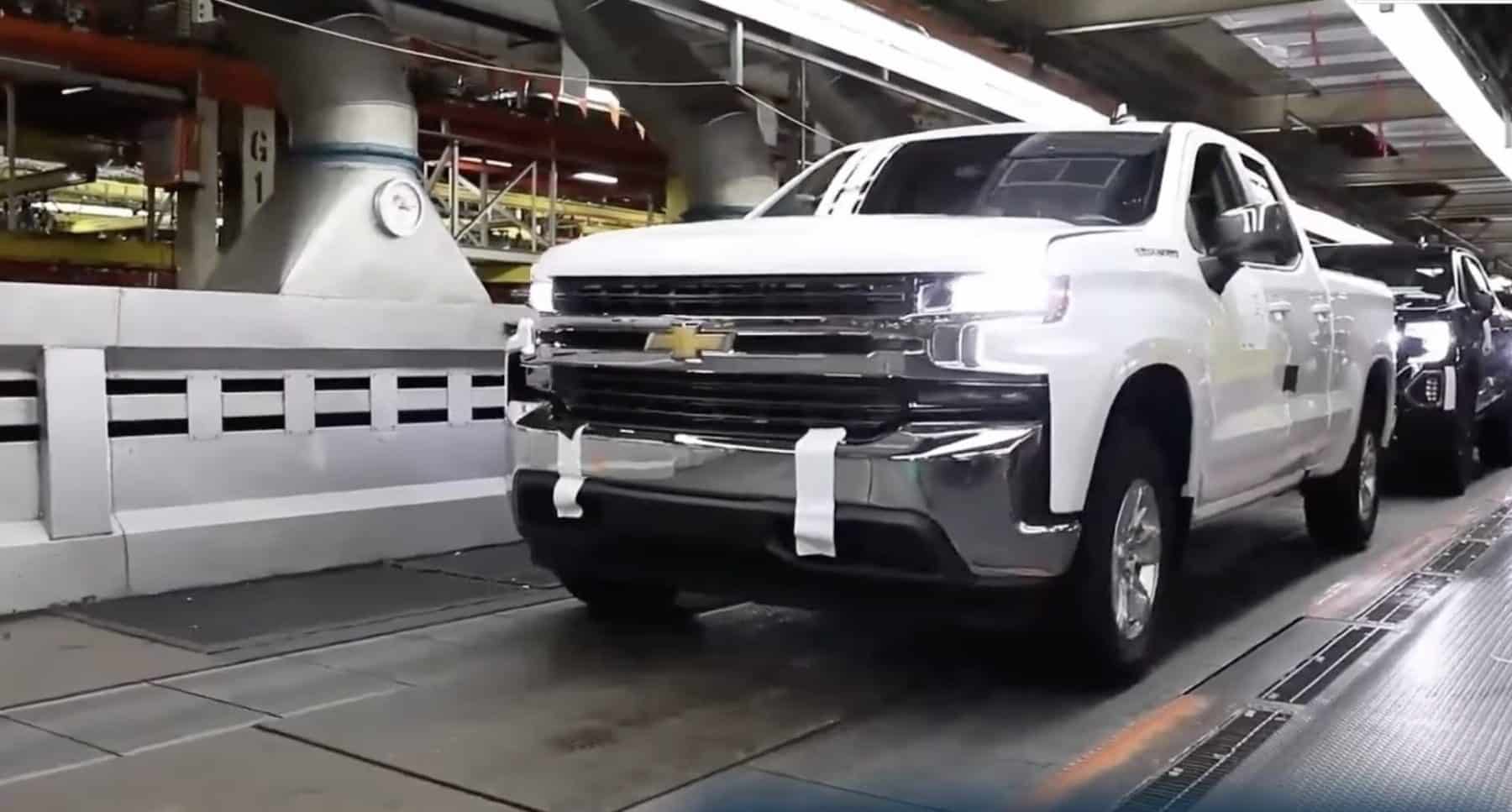
The mechanism here is simpler than most earnings stories get credit for. GM leaned harder into its most profitable products at exactly the moment buyers kept showing up for them, and the full-size pickup lineup did most of the heavy lifting. Light-duty full-size pickup sales climbed sharply even as the current model generation nears the end of its run, a timing quirk that usually hurts sales instead of helping them.
Automakers typically see demand soften right before a major truck redesign, as buyers wait for the new version to arrive. Instead, GM reported sales topping 670,000 vehicles in the quarter, with light-duty full-size pickup sales up 9% year over year.
That is a sign demand for the outgoing trucks never cooled.
Behind that volume sits a pricing and cost story. Executives pointed to a richer vehicle mix, meaning more buyers chose higher trim trucks and SUVs loaded with options, plus lower warranty costs and reduced losses on electric models after the company trimmed EV production capacity earlier this year. Put together, sell more of the vehicles that already carry the fattest margins, spend less fixing them under warranty, and stop bleeding cash on electric lines that were not yet profitable.
Inside the numbers that made this quarter different
Picture a dealership lot in suburban Michigan or Texas this past September, rows of Silverado and Sierra pickups moving off the pavement almost as fast as transport trucks could drop them. That scene repeated at dealers nationwide, and it is why the topline revenue figure landed where it did.
General Motors reported revenue near fifty billion for the third quarter, net income attributable to stockholders of $3.3 billion, and adjusted earnings before interest and taxes of $4.1 billion. That figure beat Wall Street’s own forecast by more than a billion dollars.
Earnings per share told an even sharper story. Adjusted EPS rose over thirty percent year over year to $3.70, while adjusted operating earnings increased 22%. That kind of profit growth on modest revenue growth usually means a company sold a better mix of vehicles, not just more of them.
Cash flow backed up the picture further. Adjusted automotive free cash flow reached $5.9 billion, up 40% year over year. That cushion is part of why GM felt comfortable making a bigger bet on its own stock days later, a move covered in GM’s run into earnings after two prior guidance increases this year.
Where the hard numbers came from and what backs them up
This is not a projection or an analyst estimate. The figures come from GM’s own quarterly filing with federal securities regulators, released on October 20, which laid out revenue, profit and cash flow line by line.
That official third quarter filing confirmed the headline figures and disclosed the company’s updated outlook for the rest of the year. GM narrowed its full-year profit guidance and raised its free cash flow target.
The filing also revealed a new share buyback authorization worth $20 billion, approved right after the prior $6 billion program wrapped up.
Companies rarely commit that kind of money unless they expect cash to keep flowing. GM also said it remains on track to lead the industry in full-size pickup sales for a seventh straight year, and that consistency, more than any single quarter, gives the record its weight.
The complication nobody is glossing over
But the record comes with a built-in expiration date, and GM’s own executives said so on the earnings call. The company is swapping out its current pickup lineup for an entirely new generation, and that changeover carries real near-term costs tied directly to the factories building these trucks today.
Management expects the production changeover to mean roughly 35,000 fewer trucks built in the fourth quarter. That is a deliberate tradeoff, not a surprise setback, but it means this exact revenue figure may not repeat next quarter.
There is also a soft spot elsewhere in the business. GM’s international division saw adjusted profit fall sharply, and its electric vehicle unit still lags the profitability of the gas powered lineup carrying this quarter. The new battery platform the company is banking on for future range gains has not yet translated into the volume trucks deliver today.
What the record actually signals going forward
Even with that caveat, the quarter says something concrete about American vehicle buyers in late 2026. Despite higher borrowing costs and persistent talk of a cooling auto market, buyers kept paying up for well-equipped trucks and SUVs rather than trading down to cheaper models.
That willingness to spend let GM raise its own profit targets twice this year and then raise cash flow guidance a third time alongside this report. Executives framed the record not as a ceiling but as a floor for what follows.
Which is why the company is betting billions of its own cash on confidence that the formula keeps working.
For now, the number stands on its own. It is the largest three months of sales in the company’s history, built the old fashioned way, one loaded pickup truck at a time.
