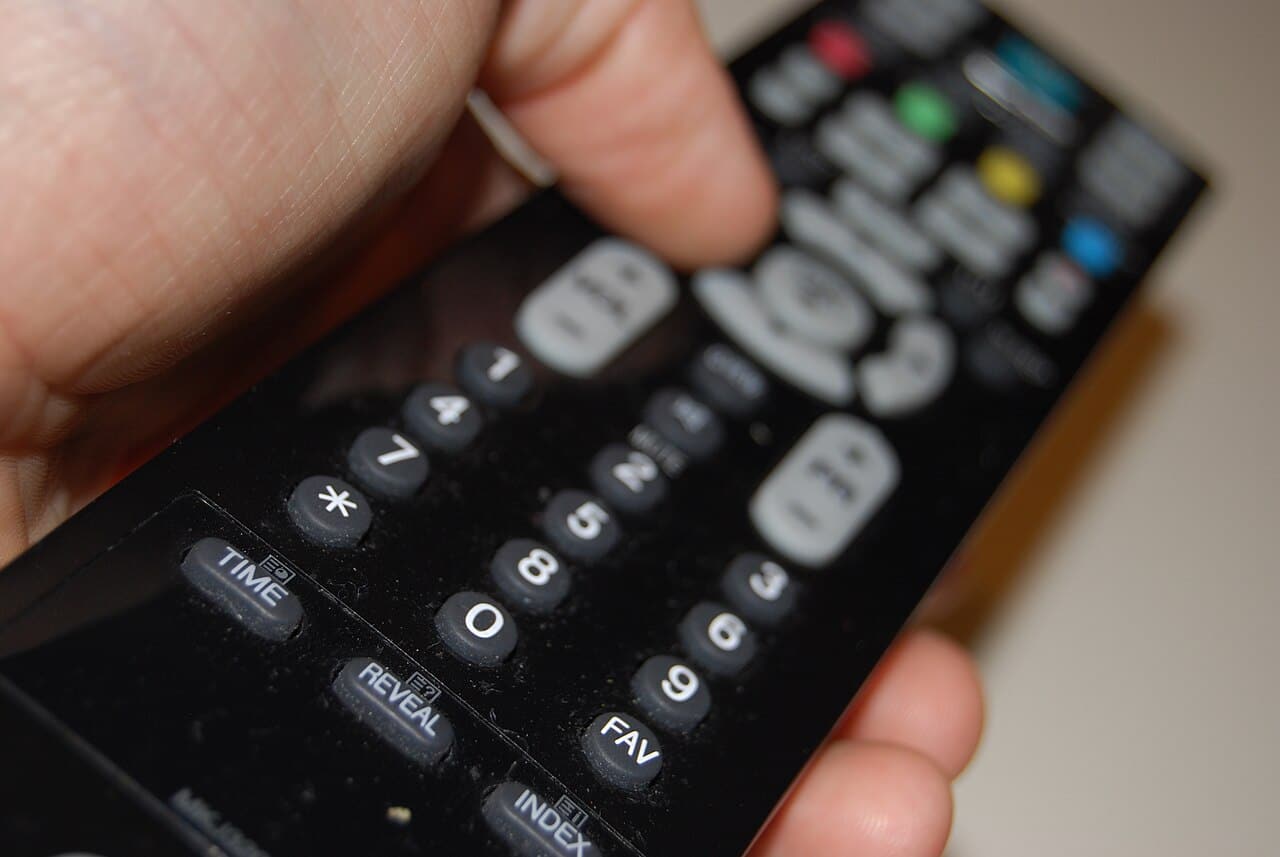
A living room television flickers on at kickoff, no cable box blinking beneath it, no satellite dish bolted to the roof outside.
Just a remote, an app icon and a bill that arrives by email instead of in the mail.
Millions of households now watch football, local news and sitcoms this exact way.
None of them touch a coaxial cable to do it.
So what finally tipped the scales after decades of cable dominance?
How a phone company’s old rival got beaten by an app
The shift comes down to infrastructure nobody has to install. A traditional cable provider needs trucks, technicians and physical lines run to every home, while a streaming service needs only an existing internet connection and an app download. That difference in fixed cost and setup friction has quietly decided which model scales faster.
Because streaming services ride on broadband that households already pay for, they carry none of the maintenance burden of poles, wiring and local franchise agreements. Cable operators built their empires on physical network ownership, an advantage when no alternative existed.
Once fast home internet became standard, that advantage flipped. It turned into a liability of upkeep costs that streaming rivals simply do not carry.
That is why a company built around video search and recommendations could step into live television without laying a single wire. It licensed channels the same way cable operators do, then delivered them over infrastructure it never had to build. The result is a leaner distribution model competing against decades of buried cable.
The living rooms where the switch is actually happening
Picture a household that canceled cable two years ago, kept the same channels through an app, and never noticed a gap in Sunday football. That scene is repeating across millions of homes as the base package for the leading streaming TV service now runs close to eighty three dollars a month, comparable to what cable charged before cord cutting accelerated.
Even so, the appeal is not really price anymore. It is the absence of a technician visit, a rented box and a multi year contract.
Younger households in particular have never known a cable installation appointment. They are among the fastest growing signup groups nationwide, with the least patience for old habits.
Meanwhile, the companies on the losing side are not disappearing quietly. Traditional operators have launched their own slimmed down streaming bundles to compete, yet those efforts have so far failed to reverse the broader decline in traditional subscriptions.
The subscriber numbers behind the chase
By the first quarter of this year, analysts tracking pay television confirmed what the trend lines had pointed toward for two years. Charter’s Spectrum brand had slipped to about twelve and a half million video customers, while the leading streaming TV app was closing in fast from below.
One industry report called it evidence of a tipping point for cord cutting nationwide.
As of November 7, 2025, the streaming app had crossed ten million subscribing households, according to the company and industry trackers. That puts it within striking distance of Charter, the current leader in US pay television, though Charter still holds the larger base for now.
A research firm that modeled this trajectory more than a year earlier had projected the app would keep adding subscribers annually while Charter and Comcast kept shedding customers. That math has largely played out, with steady annual losses compounding across the traditional cable industry while the challenger kept climbing toward the top spot.
Where cable still wins and the comparison breaks down
None of this means cable has vanished. Charter alone still serves roughly twelve and a half million video customers, and traditional providers combined, including satellite and telco TV, retain tens of millions more, a base built over generations that will not evaporate overnight.
For many rural customers without reliable broadband, a streaming replacement is not even a realistic option yet.
And the comparison gets fuzzier once free trials enter the picture. Because the leading streaming app does not publicly disclose exact subscriber counts beyond the round milestone figure, outside estimates vary, and some analysts note those estimates can include extended free trial periods rather than only paying customers, a wrinkle traditional subscriber counts never carried.
Even accounting for that caveat, the broader shift holds. Streaming now accounts for a larger share of total US television viewing time than cable and broadcast combined, according to Nielsen’s industry ratings. That is a reversal of decades of habit that would have seemed unthinkable a decade ago.
What the crossover means for the next remote in your hand
For ordinary households, the practical upshot is a slow but steady erosion of the installation appointment, the rented set top box and the multi year contract that defined cable for half a century. None of that disappears instantly, but each passing quarter nudges more homes toward an app first setup.
So the real story is not that one brand has already beaten another. It is that the entire model for how live television reaches a couch has changed shape, the same way productivity tools folded into single apps rather than standalone programs.
Distribution that once required physical wires now rides on connections households already paid for anyway.
That does not mean every traditional operator loses. Some have found footing by bundling streaming perks into existing accounts, borrowing tactics closer to how device makers now extend a product’s reach the way a page turn remote extends an ereader. The households still deciding which way to go now have real leverage, and that ongoing price competition is what keeps monthly bills from climbing unchecked on either side.
