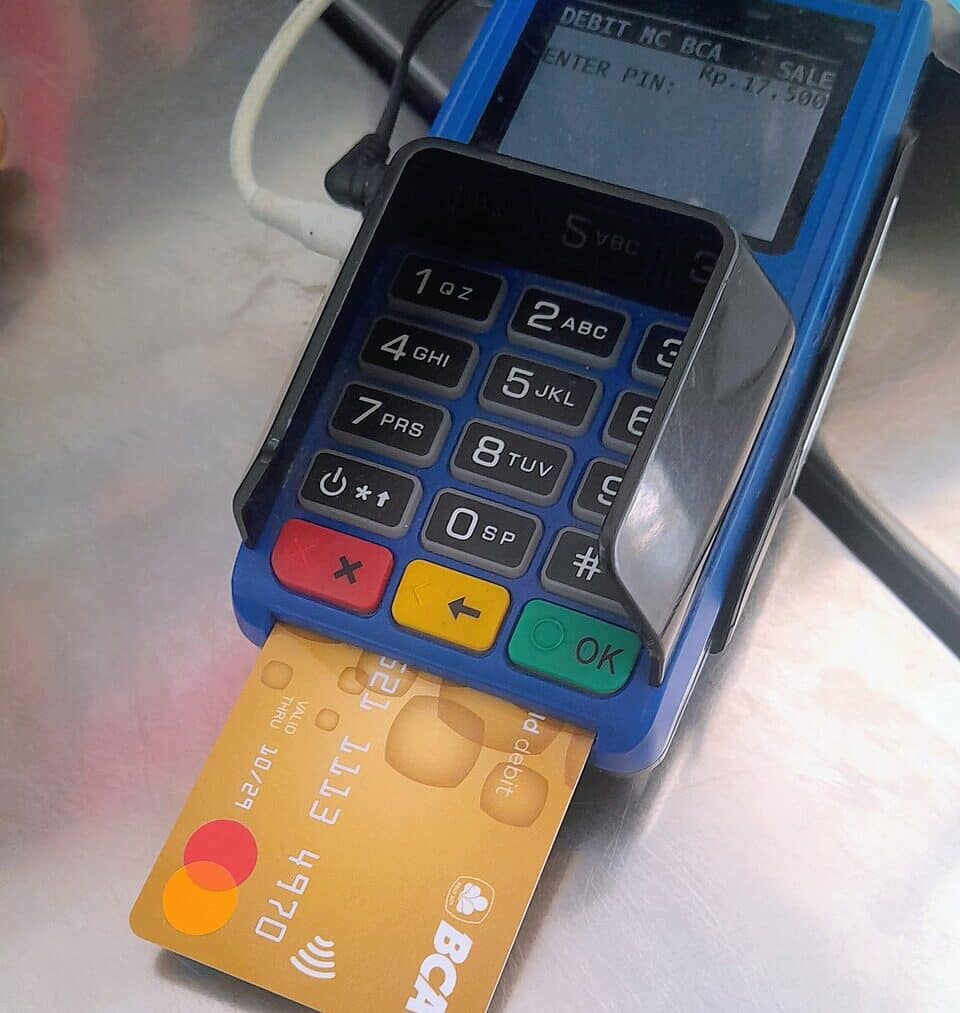
A cart full of groceries rings up at the register, and the checkout screen offers four small payments instead of one big one.
The first payment clears instantly, no interest, no fuss.
Three more are supposed to follow automatically, two weeks apart, until the balance disappears.
Millions of shoppers now make that choice without a second thought.
But a fresh national count of what actually happens after checkout tells a messier story, starting with why that fourth payment so often goes wrong.
How a four part split quietly turns into a missed payment
The mechanic behind buy now pay later is simple on paper. A shopper splits a purchase into equal chunks, usually four, with the first due the moment they check out and the rest pulled automatically from a card or bank account every two weeks after that. There is no interest charge upfront, which is the entire sales pitch, and it is why the habit has spread so fast across so many different stores and apps at once.
The trouble starts because each loan runs on its own clock. One purchase might debit a checking account on the third of the month, a second on the ninth, a third on the fourteenth. None of those schedules talk to each other, and none show up on a single statement the way a credit card does.
So when a paycheck lands a day late, the automatic pull can simply fail. That single missed debit can trigger a late fee, stacked right on top of a purchase marketed as free.
What the checkout screen looks like for a typical household this year
Picture the version of this becoming ordinary rather than rare. A $200 appliance becomes four $50 charges. A weekly grocery run becomes a $25 installment instead of a single total. Clothing, shoes and tech gadgets still top the list of what people buy this way, but groceries have climbed fast enough to change the picture entirely, turning a once occasional splurge into something closer to a recurring necessity.
That shift matters because grocery bills are not discretionary the way a new jacket is. A shopper can skip the jacket. They cannot skip the weekly food bill.
Meanwhile the number of loans any one shopper juggles has climbed too. A grocery installment, a clothing installment and a tech installment can all run at once, each with its own due date buried in a different app’s notifications, which is exactly the setup where a missed payment nobody saw coming slips through.
The survey numbers behind the warning, and where they come from
The clearest evidence comes from a 2026 report, built from a survey of consumers fielded in early March. Forty seven percent of BNPL users say they have paid late on a loan in the past year, up six percentage points from 2025 and 13 points from two years ago, the highest share since the tracker began.
The climb has not been a one time jump. Thirty four percent said yes in 2024, 41 percent in 2025, and 47 percent this year, nearly half of everyone using these loans across three straight readings.
The grocery shift is just as steep. Twenty nine percent of users now say they have used the loans for groceries, up from 25 percent a year ago and 14 percent two years ago, more than double in that span. Among Gen Z shoppers, the share rises to 38 percent.
Stacking tells the same story differently. A large share of users say they have held multiple loans at once, and some carry three or more loans simultaneously, the kind of pattern that regulators have flagged as a persistent risk in this market.
Where the risk actually bites, and where it does not
This is not a story about every user falling into trouble. Someone with one loan, one due date and a steady paycheck rarely runs into friction, and plenty of shoppers pay off each installment without incident, using the apps exactly as intended.
The data draws a clear line around frequency instead. In a Consumer Reports survey, people juggling four or more loans at once missed a payment at roughly double the rate of people carrying fewer loans. The risk concentrates almost entirely in the stacking behavior, not the product itself.
Many lenders will even waive a late fee if a customer simply calls and asks. That escape hatch is real, but it only works if a shopper notices the miss fast enough.
Which is the quieter danger. Some BNPL lenders now report missed or late payments to credit bureaus, so a slip that once vanished quietly can follow a shopper’s credit history the way a bigger loan always has.
What this means for anyone reaching for the split pay button next
None of this makes buy now pay later a trap by design. It behaves exactly as advertised for a single, tracked purchase, and far less predictably once a second or third loan enters the picture at the same time.
So the practical fix is almost boring in its simplicity: treat each loan like any other bill, write down the date, and avoid opening a new one before the last is paid off.
That single habit separates the shoppers who use these apps for years without friction from the growing share paying late. Grocery use has doubled in two years, and younger shoppers are leading both trends at once.
The checkout button is not going away. It means the four small payments stay only as free as a shopper’s ability to track every one, across every app, on every separate due date.
