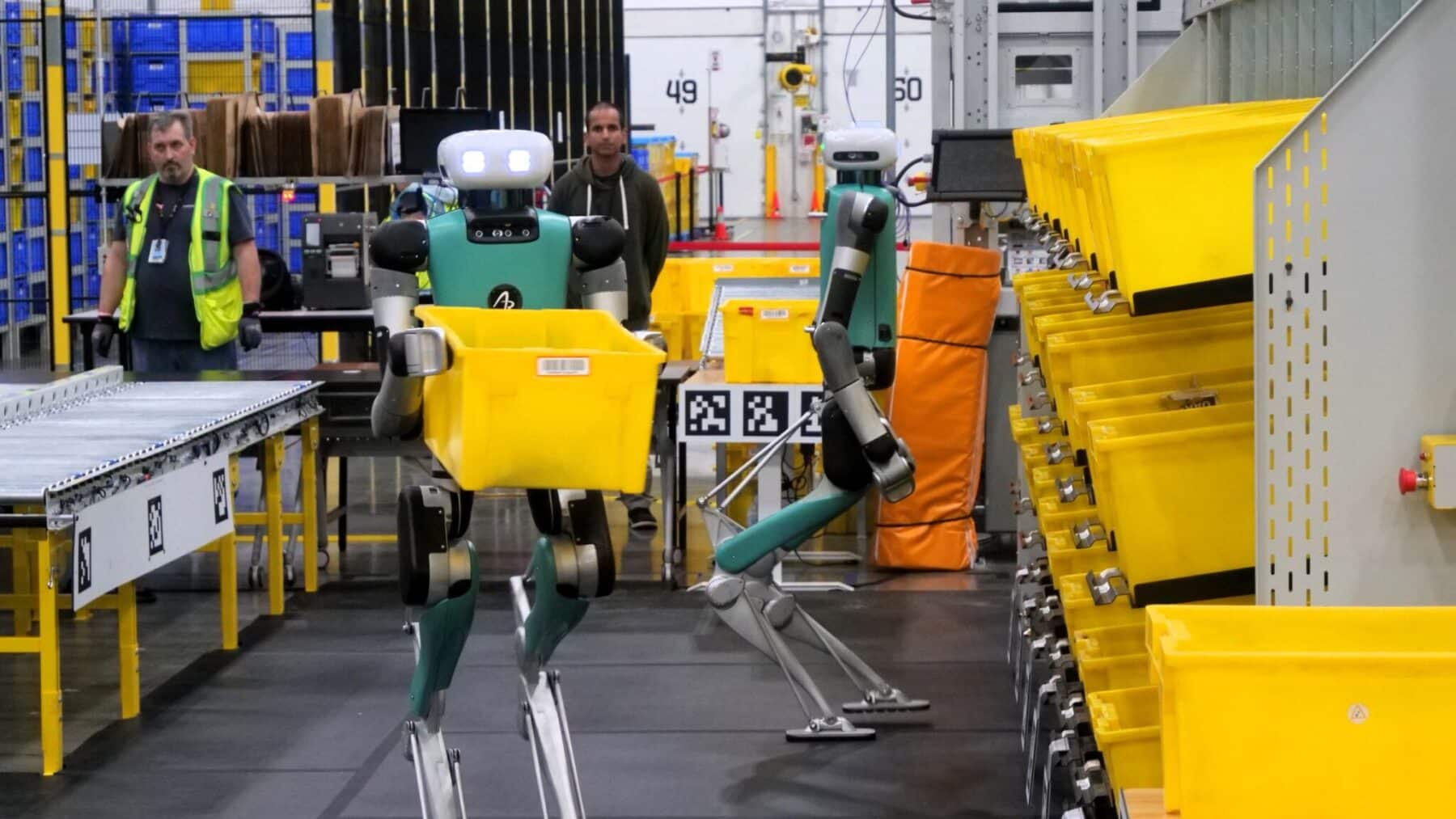
A tall metal machine bends at the knee, lifts a plastic tote off a conveyor belt, and sets it down without a sound.
It looks effortless, almost boring.
But the number on the sales brochure and the number on the invoice are not the same number at all.
One says the robot works for about as much as a cup of coffee costs per hour.
The other says it can cost more than a skilled contractor charges.
So which figure is real, and why do they disagree by such a wide margin?
What gets counted, and what gets left out of the sticker price
The gap comes down to what gets counted and what gets left out. A widely cited industry projection puts the operating cost of an advanced humanoid robot at an estimated USD 2 an hour, a fraction of human labor costs in developed markets , via the Roland Berger humanoid robotics study. That figure covers energy, software and maintenance, and it is projected at scale, covering energy, software, network, scheduled maintenance and depreciation, but excluding the purchase or lease itself . It deliberately excludes the single biggest line item of all.
That missing piece is the machine itself. Buy or lease the robot, and the purchase or subscription price has to get spread across every hour it actually works, which means the hardware and leasing bill alone can dwarf the running cost quoted in slide decks.
Then there is the productivity gap, which multiplies everything. Right now, you need roughly two humanoid robots to match the output of one human worker , which doubles the effective hourly cost even where the base rate looks competitive.
Utilization closes the loop. A robot that only works a single eight-hour shift a day still has to pay off its full monthly lease and setup cost, so the fewer hours it runs, the higher its true hourly price climbs.
Inside a real warehouse floor running the numbers today
Picture a logistics facility where robots and people share the same aisles moving totes between conveyor lines and storage racks. The fleet management screen in the control room tracks something most shoppers never think about: how many hours each machine actually spends working versus charging or waiting.
That utilization number decides almost everything. A robot sitting idle for half its shift still accrues its full ownership cost, which is why operators obsess over keeping machines moving nonstop rather than parked at a charging dock.
Even the companies putting robots to work describe the arrangement differently than a flat hourly rate suggests. Agility retains ownership of the robot and charges customers about $8,500 per month, roughly $102,000 annually, for access to the robot, software and maintenance, plus a $25,000 deployment fee , bundling the robot, its software and its upkeep into a single monthly charge rather than a per-hour sticker price.
That bundling mirrors a wider shift. It is the same pattern driving the booming market in enterprise coding tools, where a handful of vendors now split tens of billions in annual spending through recurring contracts rather than one time hardware sales.
The filing that put a real number on the gap
The clearest public evidence does not come from a marketing claim at all. It comes from a securities filing. Agility’s robots have logged more than 65,000 hours of work at customer sites over nearly three years, with current customers including GXO, Schaeffler and Toyota Motor Manufacturing Canada , disclosed ahead of its merger with Churchill Capital Corp XI and Nasdaq debut. That filing also spells out the company’s own cost model, and it does not land anywhere near two dollars an hour. A year of leasing one Digit costs about $102,000, plus roughly $5,000 a year if the setup fee is spread over the robot’s five-year life; on two 10-hour shifts, six days a week, that comes to about $17 an hour . On one 40-hour shift, the cost works out to about $51 an hour .
So the breakeven point depends entirely on how hard the machine works. Agility compares the robot with a worker who costs $30.50 an hour with benefits, and a leased Digit beats that fully loaded wage only once it runs about 68 hours a week or more .
Other published estimates land somewhere in between. A robot costs $2 an hour according to a Roland Berger study, $10 to $12 according to JPMorgan , or more according to reports on early industrial deployments. That spread is familiar to anyone who tracks how hardware performance claims get measured differently across labs.
Where the cheap number falls apart on the warehouse floor
None of this means the optimistic projections are dishonest, exactly. They describe a future state, with full utilization and mature software, that has not fully arrived yet for most buyers.
But today’s reality looks different, and buyers who skip past that distinction get burned. A facility running a pilot fleet on one shift a day, with robots charging overnight and sitting idle through slow periods, will never see the low end of these estimates no matter what the sales deck promises.
Even the companies building these machines acknowledge the gap between the pitch and the pilot. The cost comparison assumes a Digit gets as much done in an hour as a person, and Agility hasn’t published how many totes an hour Digit moves , with throughput targets set customer by customer in each contract, meaning the real bill a warehouse operator signs could look very different from the brochure math.
Worse, the productivity shortfall compounds the price problem. A machine that needs two units per worker, and only turns cheap after running nonstop for dozens of hours a week, is a much harder sell than a flat two dollar figure suggests.
What the real figure means for the next wave of robots
None of this kills the economic case for warehouse automation, but it does reset expectations for anyone comparing a brochure number against an actual invoice. The honest answer sits somewhere between the marketing projection and the early deployment reports.
That is why utilization, not sticker price, has become the number operations managers now track obsessively. A robot parked overnight is no different from an idle piece of expensive equipment burning through its own depreciation clock, a problem familiar to anyone who has seen how an idle cloud server quietly racks up charges over a single unused weekend.
So far, the companies closest to shipping real machines have been the most candid about the math. JPMorgan notes it currently takes about two humanoids to match the output of one human worker, a ratio JPMorgan expects to improve to 1.2 to 1.3 robots as the technology advances , while productivity per hour improves with software but cost per hour improves only with hours run. That leaves the final verdict to whichever buyer puts the robot on the clock.
For now, the fairest read is cautious optimism. The technology works, the price keeps falling, and the hours it takes to turn a profit are shrinking every year, even if they have not yet shrunk all the way down to two dollars.
