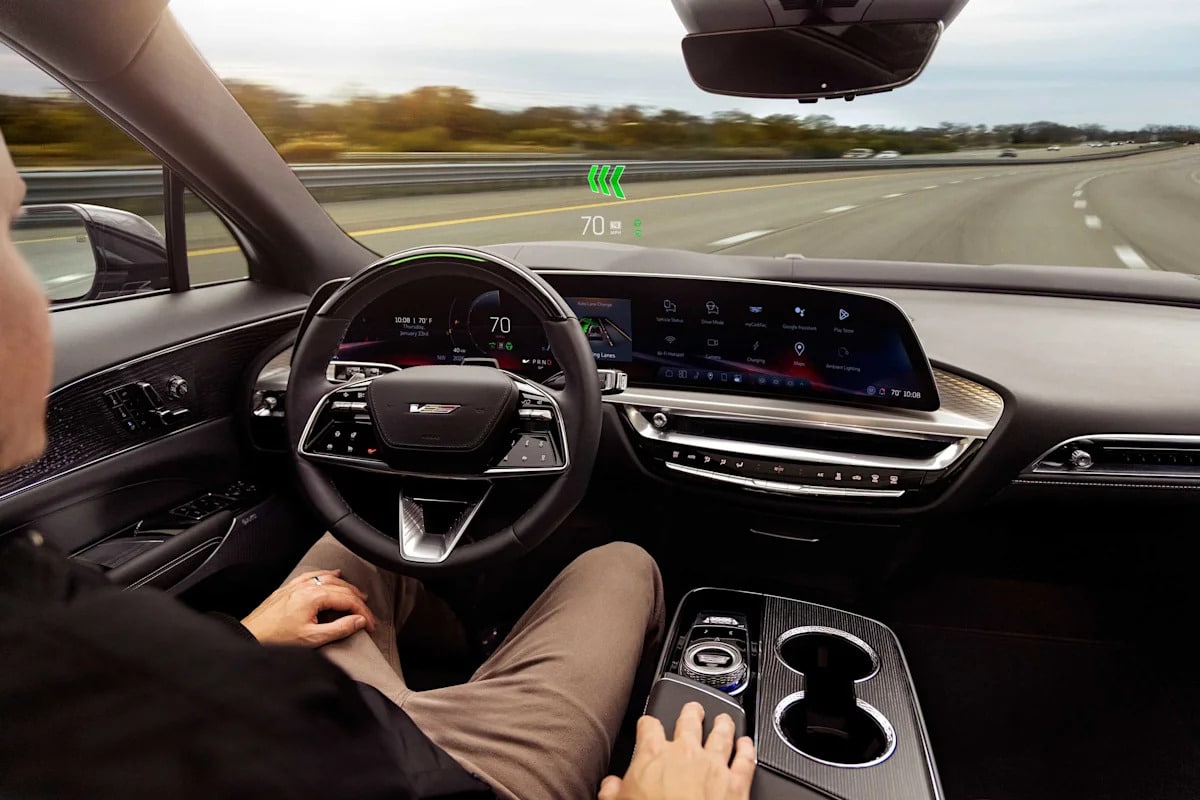
The National Highway Traffic Safety Administration has opened a nationwide study examining how drivers position their bodies and how quickly they can retake control while using hands-free partial automation systems.
The agency published its notice in the Federal Register on November 25, 2026, formally launching research into what it calls “Driver Body Position and Readiness to Respond When Using L2 Systems.”
What the study will measure
NHTSA describes the project as a research study to examine driver body position and readiness to respond when using L2 features , titled Driver Body Position and Readiness to Respond When Using L2 Systems.
The Department of Transportation is seeking approval to conduct a one-time research study involving 12 voluntary information collections, up to 2,780 licensed drivers over 18 years old for the research.
Most of those participants will take part remotely. NHTSA plans to recruit 2,750 participants for an online survey assessing driver postures in L2 and non-L2 vehicles and the role of individual characteristics and driving environment on the adoption of various driving postures.
A smaller group will go through hands-on evaluation. Thirty licensed drivers screened from 70 candidates complete baseline assessments, the Cognitive Failures Questionnaire, the Driver Behavior Questionnaire, and the Technology Readiness Index , according to a summary of the filing from research tracking outlet CASRAI.
Why regulators are focused on posture
Level 2 systems, the category that includes features such as Ford’s BlueCruise and GM’s Super Cruise, let drivers remove their hands from the wheel on approved highway stretches while cameras monitor whether their eyes stay on the road.
The advancement in driver support systems, particularly SAE Level 2 automation features, can result in situations where limited or no driver inputs are required to control the vehicle. These systems may struggle with complex roadway features and traffic situations, induce an unwarranted sense of security, and encourage driver disengagement.
The outcomes of this data collection will provide a wide variety of stakeholders with valuable information about the impact of driver posture, especially as it relates to the position and orientation of the driver’s limbs when using L2 automation features, and readiness to respond to takeover requests.
In plain terms, regulators want to know whether a driver slouched in a seat or reclined with a leg crossed can actually grab the wheel and respond in time if a system hands control back suddenly.
A growing category under scrutiny
The posture study lands as hands-free driving mileage keeps climbing across the industry. Ford and Lincoln customers logged nearly 14 million cumulative hours of hands-free highway driving with BlueCruise through the third quarter.
Active paid software subscriptions exceeded 1.7 million through September, increasing more than 40% year over year. That volume of real-world use has made the question of driver readiness more pressing for safety regulators.
The study comes even as separate federal reviews continue into other camera-based driver-assist systems.
NHTSA’s notice does not name any single automaker or allege a defect. Instead it is framed as foundational human-factors research intended to inform how the agency evaluates driver-monitoring technology going forward.
That work comes at a time when automakers are also racing to expand charging and software features tied to connected vehicle platforms.
What happens next
The Federal Register notice opens a public comment period before the Office of Management and Budget can approve the information collection.
NHTSA will use the information collected to produce a technical report containing summary statistics and tables.
No start date for data collection has been announced, and the study does not affect any vehicle currently on sale.
