Americans are discarding food in the weeks before Thanksgiving even begins, compounding a holiday waste pattern that last year totaled an estimated 320 million pounds on Thanksgiving Day alone, according to new survey research from the food waste nonprofit ReFED.
The group’s latest consumer data, gathered with NielsenIQ, finds that the cleanup habits households use to make room for the big meal are driving waste long before anyone sits down to eat. The findings appear in ReFED’s “Make A Plan! Thanksgiving Food Waste Starts Way Sooner Than You Think,” published October 30.
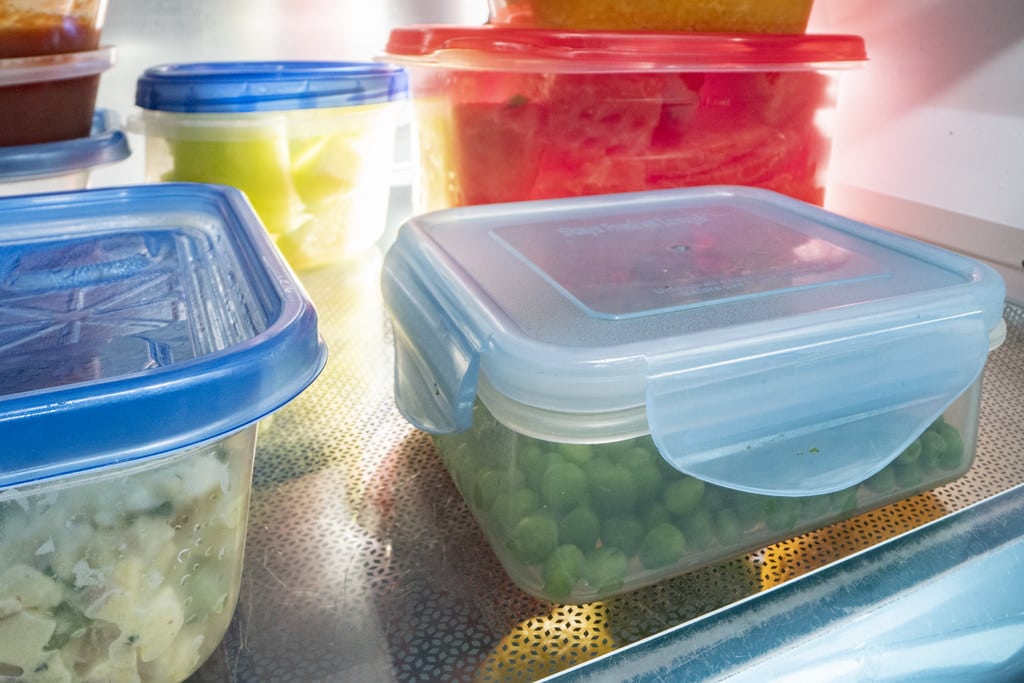
Clearing the fridge becomes its own waste event
According to the survey, 42% of Thanksgiving hosts this year say they discard food while clearing out the fridge or pantry ahead of the holiday, and 36% clear out the freezer.
This aligns with wider research that demonstrates that 19% of holiday cooks generate substantial waste making room for Thanksgiving provisions , the group reported in its analysis.
The pattern suggests the holiday’s reputation for excess begins well before the turkey goes in the oven, as households empty out older groceries to free up shelf space for new purchases.
Nearly every host overcooks on purpose
When it comes to the holiday itself, 89% of those hosting a Thanksgiving meal report intentionally preparing more food than needed, about a third (34%) to make sure there’s enough food for everyone and another third (36%) because they want to have leftovers.
That appetite for abundance has a price tag, based on ReFED’s most recent full-scale estimate for last year’s holiday. In its November 2025 analysis, ReFED estimated that across America, 320 million pounds of food will be wasted this Thanksgiving, representing $550 million worth of food thrown away in just a single day.
The amount of discarded food is the equivalent of 267 million meals that could have gone to people in need. ReFED’s analysis indicated that 40% of what gets tossed on Thanksgiving is turkey, equating to a lot of wasted dollars and cents, according to Minerva Ringland, ReFED’s Senior Manager, Climate & Insights. ReFED had not published an updated pound or dollar estimate specifically for this year’s Thanksgiving as of its latest pre-holiday survey release.
Leftovers don’t survive the week either
Thirty-one percent of those hosting or attending said they end up discarding fresh Thanksgiving leftovers within a week, or later.
Only 23% say they turn to the freezer as a way of extending the life of leftovers , according to the ReFED survey conducted in partnership with NielsenIQ.
A holiday habit that resists change
ReFED frames the pre-holiday pantry purge as an overlooked piece of a much bigger seasonal waste cycle, one that stretches from the grocery run to the garbage can days after the table is cleared.
Taken together, the behaviors paint a picture of a multi-week period when tens of millions of Americans are throwing out food to make space, overpreparing for a holiday feast, and then tossing what’s left over.
As food costs stay elevated, the group says that waste pattern means dollars thrown in the trash alongside the food itself.
The findings echo other recent shifts in how Americans manage household routines around the holidays, from how they budget for the meal itself, a trend GCN covered in its report on rising Thanksgiving dinner costs, to how they gather with others outside family, as seen in the growth of Friendsgiving participation nationwide.
ReFED’s full survey findings are available in its article “Make A Plan! Thanksgiving Food Waste Starts Way Sooner Than You Think,” published on the organization’s research portal for consumers and retailers looking to plan around the waste patterns before next year’s holiday season begins.
