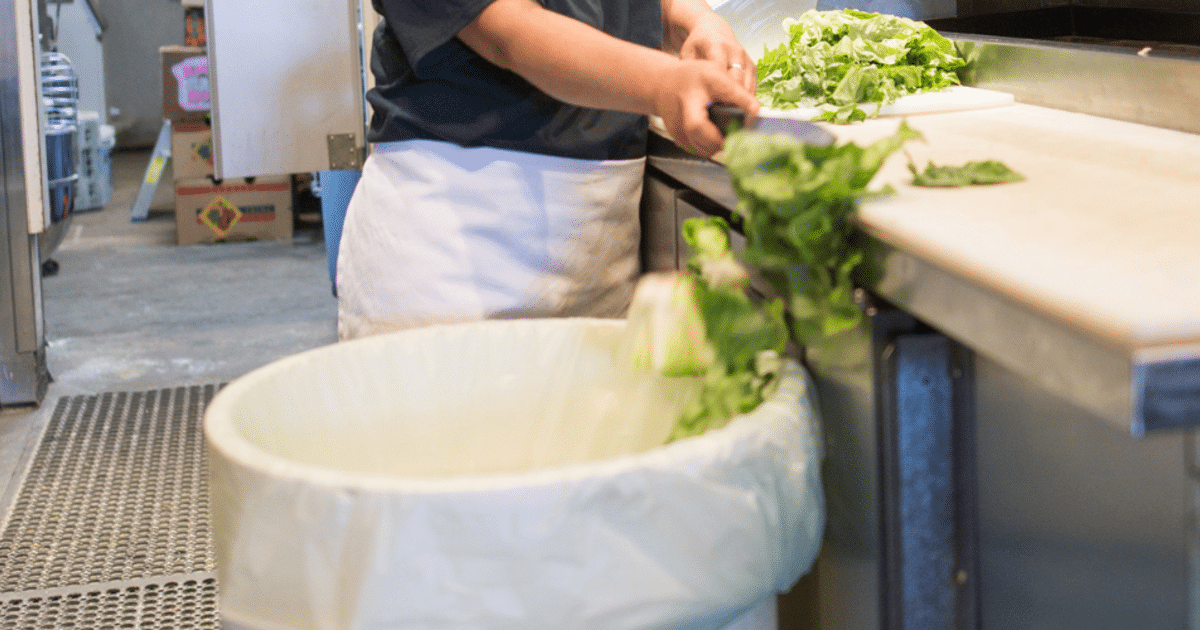
A busser scrapes a plate into a gray bin, half a steak and a pile of fries sliding off together.
Nobody at the table asked for a box.
The dish pit fills up fast on a Friday night.
Multiply that single scrape by every restaurant in the country.
The number that comes out the other side is one nobody expects to see printed next to a dinner check.
Why food disappears before anyone takes a bite
Most people picture restaurant waste as spoiled lettuce or stale bread tossed before service even starts. That is not where the biggest dollar loss actually happens. A white paper from Georgetown University’s McDonough School of Business, created in collaboration with the Menus of Change University Research Collaborative and supported by ReFED, shifts the food waste conversation from the kitchen to the dining table, finding that nearly 70% of restaurant food waste stems from food that is prepared, served, and never eaten.
So the waste is not a supply chain problem, it is a portion and plate problem. Kitchens cook the right amount of food, and cooks plate it correctly, and servers deliver it fine.
Then a generous portion size stops a diner halfway through, and what is left goes straight into a bus bin instead of a box. For years, waste reduction efforts in restaurants aimed mostly at the kitchen and the supply chain, but the research suggests that front-of-house plate waste represents a major blind spot , a gap that lets the real cost hide in plain sight.
Inside the dining room where the real losses pile up
Picture the end of a typical dinner service: a table of four, two entrees finished, two only half touched, a bread basket picked over and a shared appetizer abandoned after three bites. None of that looks dramatic in the moment.
It just looks like a normal Tuesday night, repeated at every seating across hundreds of thousands of restaurants nationwide.
A recent dining habits pattern already showed Americans leaning toward routine, familiar orders, which makes portion mismatches even easier to overlook when the same dish comes back half eaten week after week. Chain restaurants, casual grills and fast casual counters all plate food sized for an average appetite that rarely matches the one sitting at the table.
Solo diners complicate things further. As solo dining keeps climbing, portions built for two often arrive for one, widening the leftover gap on a plate meant for a party that never showed up.
Where the 162 billion dollar figure actually comes from
The number traces back to a white paper built with the Menus of Change University Research Collaborative and backed by the food waste nonprofit ReFED, released through Georgetown University’s McDonough School of Business. The financial impact is equally staggering: $162 billion in annual waste-related costs, including food, packaging, labor, and disposal.
That figure covers more than raw ingredients left on a plate. It bundles in packaging bought for leftovers that never got boxed, labor spent on oversized portions, and the cost of hauling it all away.
Separate tracking from ReFED shows the trend climbing over time: in foodservice, surplus food increased 39% from 2020 to 2023, going from 9.15 million tons to 12.7 million tons . In the most recent full year measured since, restaurants and foodservice businesses generated 12.5 million tons of surplus food, more than 85% of which went to landfill or was incinerated as waste.
Researchers behind the Georgetown paper found that front-of-house waste represents a controllable food cost, and that modest adjustments through customization and right-size options can reduce recurring waste while maintaining customer satisfaction. That gap shows in the numbers: only 20% of surveyed operators report tracking what customers leave on their plates.
Where this estimate gets complicated and why it does not hold everywhere
Not every restaurant fits this pattern equally. Fine dining rooms with smaller, curated portions waste less per plate than casual chains built around value sized servings.
So the national figure is really an average smoothed across very different business models, from white tablecloth kitchens to drive through counters.
Even the definition of waste shifts depending on who is counting, since unsold inventory and kitchen prep loss get folded in alongside plate waste in some estimates and excluded in others. That inconsistency alone can swing a total by billions.
Separate industry figures for total foodservice surplus have landed anywhere from roughly 25 billion dollars to well over 100 billion, depending on scope and year. That spread is not a flaw so much as a sign that most restaurants still weigh nothing coming back from a table.
What restaurants and diners can actually do with this number
None of this means the figure is a reason to feel guilty over a half finished burger. It is closer to a signal that the biggest leak in a restaurant’s margins might be sitting on dirty plates, not spoiling in a walk in cooler.
Because once plate waste gets measured, it tends to shrink. Smaller default portions, an easy offer of a to go box before anyone has to ask, and simple tracking of what returns to the kitchen have all shown up as low cost fixes with fast payback.
For diners, the lesson is simpler still.
That box sitting unused at the edge of the table is not an awkward favor, it is the easiest way to turn a hidden nightly cost into tomorrow’s lunch.
