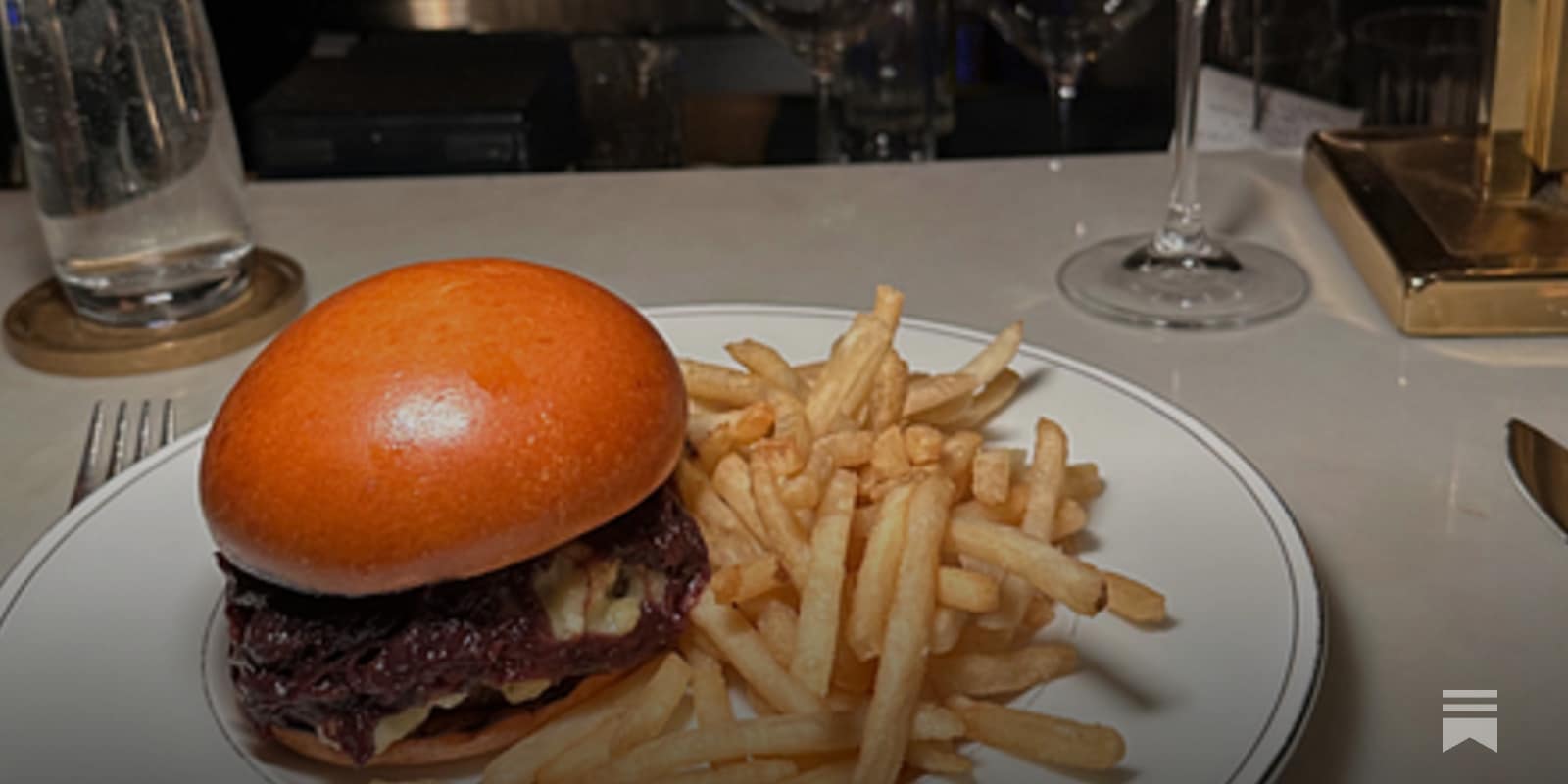
Reservations for a single diner at full-service restaurants climbed 22 percent in the third quarter of 2025 compared with a year earlier, according to restaurant technology company Toast.
The jump marks one of the sharpest shifts in how Americans are choosing to eat out, even though solo bookings still make up a small slice of total reservations.
What the data show
Single diner reservations grew 22% with reservations for one on Toast Tables spiking 22% in Q3 2025 compared to the same time last year. Weekdays also saw particularly strong gains, with reservations rising 15% on Tuesdays and 12% on Thursdays. Toast’s figures come from its quarterly Restaurant Trends Report, which draws on aggregated sales data from restaurants on its platform.
More people are treating themselves to a meal out, no plus-one required, though single diners accounted for less than 1% of the total booked reservations.
Separate data from OpenTable, reported by Axios, found reservations for one jumping 23% over the past year. OpenTable analyzed online reservations at U.S. restaurants on its platform broken down by party size, average spend per person, day of week, hour and city, comparing reservations made between June 1, 2025, June 30, 2026, to those made between June 2, 2024, July 1, 2025. OpenTable found that solo diners spend $94 on average, up 7% year over year.
Why people are booking tables for one
Industry observers say the rise reflects changing attitudes rather than simply more people eating by themselves out of necessity.
That growth may look like another sign of America’s loneliness epidemic, though diners are treating meals alone as a chance to reflect, recharge and unplug, a pattern that echoes how a daily commute mental habit can shape an entire day.
Veronica Selzler, a 36-year-old Washington, D.C., resident, told Washington Post food critic Elazar Sontag, who first reported OpenTable’s solo dining data, that she regularly takes herself on solo dates.
” I think I eat slower. I pay a lot more attention to the full sensory experience of a meal when I’m by myself, because I’m not chatting. “
The trend extends beyond sit-down restaurants. Yum Brands, the parent company of Taco Bell, KFC, Pizza Hut and Habit Burger & Grill, reported in its 2026 Food Trends Report that solo orders have grown sharply at its chains.
Solo diners now account for nearly half (47%) of quick-service restaurant (QSR) orders, up from 31% in 2021, according to Yum Brands, with people opting out of group meals to instead treat themselves.
Younger diners are driving the shift
Data firm eMarketer, citing a TouchBistro survey alongside the Yum Brands and Toast figures, found that generational patterns are shaping the trend.
Roughly 1 in 5 US consumers (21%) regularly dine solo, according to a TouchBistro survey, a slight uptick from 18% in 2024. As with most food trends, Gen Z is leading the charge: Nearly half (49%) report dining alone at least once per week, along with 46% of millennials.
Approximately 24% of solo diners say they’re heading out alone to satisfy a personal craving and often do not take advantage of deals or coupons, according to Yum Brands, a trend that is also contributing to higher sales on food delivery platforms.
Restaurant operators appear to be adjusting their approach as a result. Stephen Ingber, owner of Denver private-chef and catering company MileHighCook, told Fox News Digital that about 15% of his bookings are now for one guest and that has risen annually, with some solo customers even booking weekly or monthly, and often being the best kind of customer.
A broader pattern of dining alone
The shift toward solo meals mirrors other changes in how Americans socialize and spend their free time, including how people handle an old friend’s saved number.
It also follows a pattern in which nearly 70% of solo diners decline to use discounts, despite higher food prices and recession fears, while the majority spend between $10 to $30 per visit, underscoring that price is no object for many solo diners.
Roughly a quarter say they’re satisfying a specific craving, often snacks or drinks, per the report, according to Yum Brands data cited by Axios.
Restaurants have also begun redesigning menu items once built for groups. Food traditionally meant for sharing, like pizza and wings, is “being redesigned for one,” according to Yum Brands’ report, with personal-size pizzas testing especially well among Gen Z and millennials in 2025.
Industry watchers say the figures suggest eating alone is losing the stigma it once carried, even as most restaurant bookings still remain built around groups, a shift similar to how secondhand shopping went mainstream.
