A number glows on the dashboard.
It looks reassuring: low miles, clean price, a deal that feels almost too good. The seller has paperwork. The car runs fine on the test drive. But somewhere between the lot and the driveway, the odometer stopped telling the truth. What changed that number, and what it ends up costing the buyer, is now a story the data tells very clearly.
How a plug-in device wipes tens of thousands of miles in seconds
For decades, rolling back a mechanical odometer required a screwdriver, time, and nerve. The shift to digital dashboards was supposed to make that impossible. It did not.
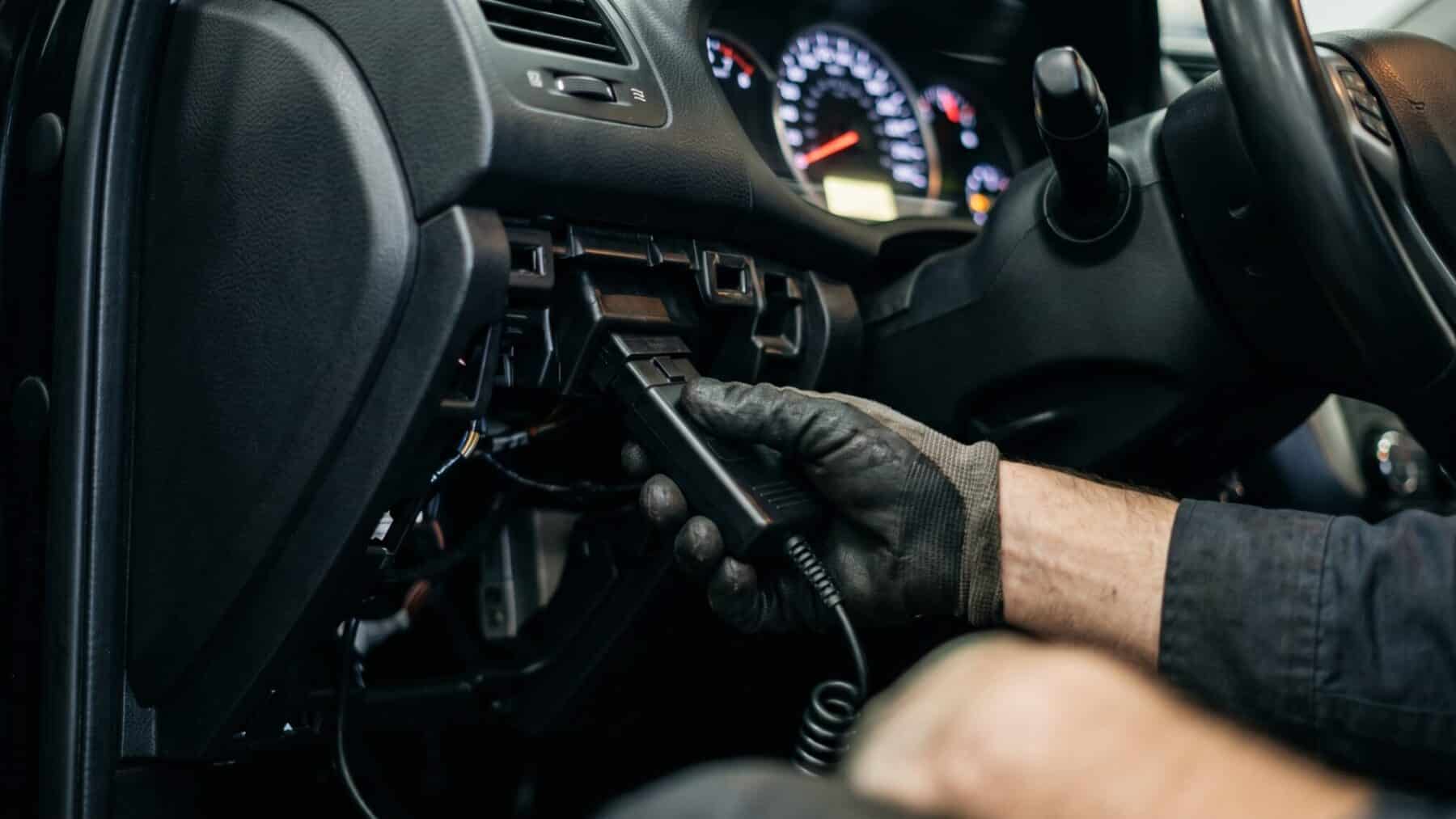
Mileage data in modern vehicles is stored across multiple electronic modules, and a class of diagnostic tools sold openly online can rewrite those figures without leaving an obvious footprint. The devices are available on eBay and Amazon for a couple hundred dollars, and online tutorials show exactly how to use them. Demonstrations of the process show a mechanic pressing enter and watching a high-mileage display reset to a programmed-in number in seconds.
The dashboard looks factory-fresh. Nothing signals the change.
But every other system in the car, the brakes, the suspension, the engine, still carries every mile it actually drove.
The used-car lots where this problem is already widespread
CARFAX data shows roughly 2.45 million vehicles on the road are suspected to have had their odometers rolled back, a sharp 14 percent increase from just last year. The prior period, 2023 to 2024, saw only a 4 percent year-over-year increase, so the acceleration is real. Among the states with the highest absolute counts of suspected rollbacks are the country’s largest vehicle markets; the sheer volume of cars registered in the most populous states drives their totals up. The states that saw the steepest percentage jumps year over year were Montana, Tennessee, Arkansas, Oklahoma, and Kansas.
That is not a rounding error. With used car prices up around 38 percent since 2019, every mile that disappears from a display translates directly into a higher asking price.
A vehicle with 200,000 miles might sell for around $7,800, while the same model showing 100,000 miles could be listed closer to $12,000. That gap of more than $4,000 in artificial profit explains why dishonest sellers are tempted to manipulate the numbers. The tools have never been cheaper.
What the evidence trail actually shows
According to NHTSA, odometer fraud costs consumers over $1 billion annually, and more than 450,000 vehicles with incorrect mileage are sold every year. Those are federal figures, not projections from a single company’s dataset.
CARFAX estimates that vehicles flagged for possible odometer rollbacks lose an average of about $3,300 in value. In many cases the real costs surface later: unexpected repair bills, accelerated maintenance needs, and safety issues caused by excessive wear on brakes and suspension.
The company cross-references mileage readings against service visits, inspections, registrations, and emissions tests accumulated over a vehicle’s life. Faisal Hasan, CARFAX’s Vice President of Data Acquisition, has said that as modern vehicles have transitioned from mechanical to digital odometers, “tampering has unfortunately become more common due to the wider availability of inexpensive tools,” even as a car’s mileage is now recorded more often, which helps identify discrepancies. The two trends are pulling in opposite directions, and right now fraud is winning.
Where the protection breaks down for ordinary buyers
The most dangerous part of digital odometer fraud is not that it is undetectable. It is that most buyers never look. A car that drives well and looks clean gives no outward signal that its mileage counter was reset in a parking lot the week before it went on sale.
Even the CPO badge, which promises a multi-point inspection, does not require independent mileage verification against every electronic module. A tampered module that has not yet been flagged by a history service can pass a visual inspection without triggering an alert. Inconsistencies in service records, vehicle history reports, or signs of unusual wear compared to the stated mileage are the most reliable warning signs available to an ordinary shopper.
A car showing 60,000 miles on the dash but worn brake pedal rubber and scuffed door sills tells a different story to anyone paying attention. Most shoppers are not trained to read those signals.
What a buyer can realistically do before signing anything
The gap between what used-car mileage promises and what it actually delivers is now documented and widening. Yet the tools to close that gap cost far less than the average fraud. With affordable used inventory nearly vanished, buyers stretching their budgets have even more reason to verify before they commit.
Odometer rollback fraud can almost always be avoided by checking a vehicle history report and comparing the mileage on the display against title, maintenance, and inspection records. A pre-purchase inspection from an independent mechanic runs $200 to $300, a fraction of the average $3,300 loss a rolled-back odometer delivers. Physical wear on pedals, seats, and door handles will not lie even when the display does.
Federal law allows civil fines of up to $10,000 for each act of odometer fraud, and criminal convictions can bring up to three years in federal prison. The criminal fine for an individual can reach $250,000, or twice the gross gain from the fraud, whichever is greater. But prosecution requires proof, and proof requires the kind of paper trail most buyers never assemble before they hand over the money. The best protection is a history report pulled before the handshake, not after.
