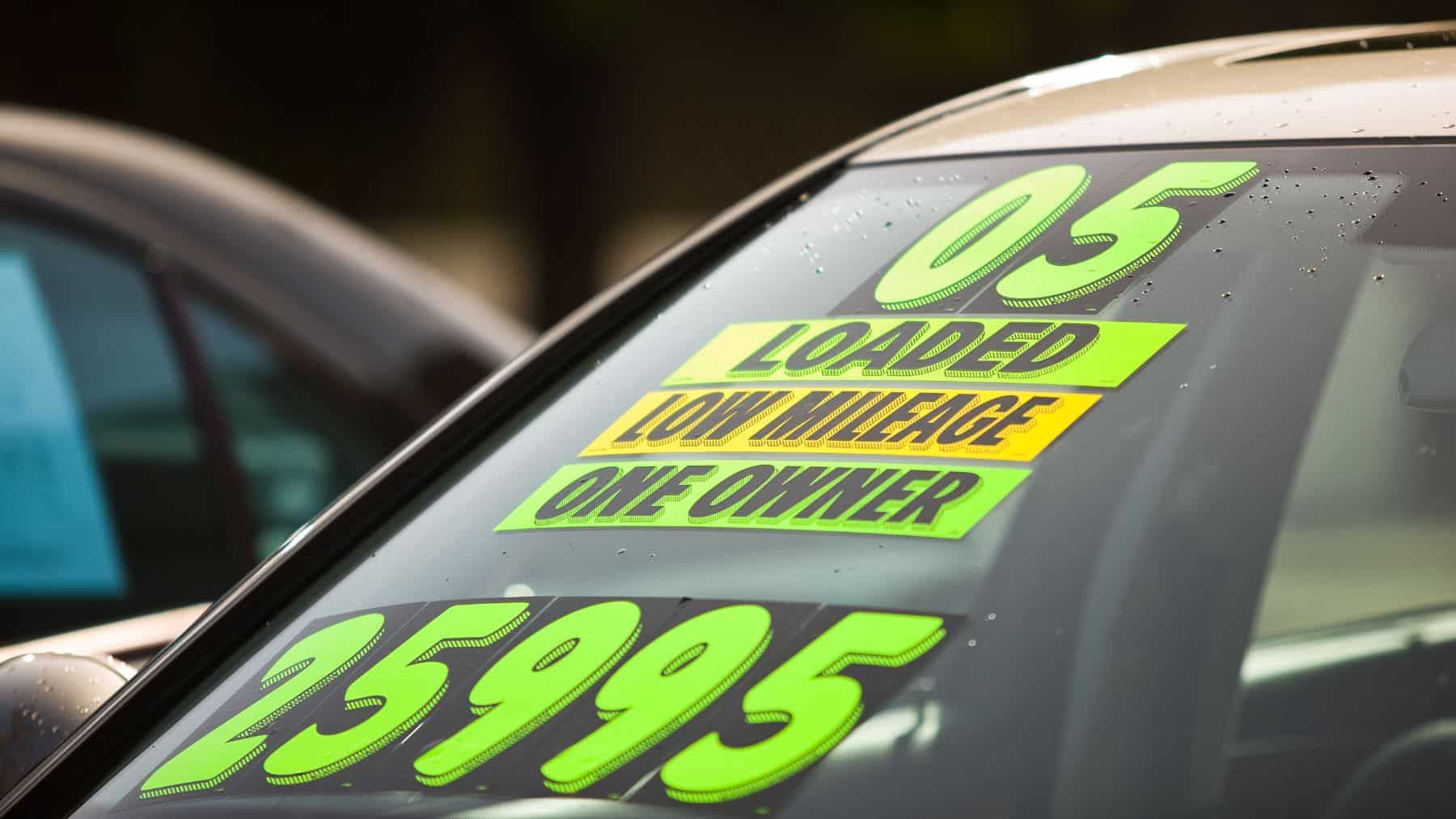
The affordable end of the used-car market has all but disappeared, according to a sweeping new analysis published this week. Used car prices have jumped by 38.2 percent, an increase of $9,027, since 2019 , and the entry-level options that once made pre-owned buying a reliable fallback for budget shoppers are now a rarity.
A $9,000 gap in seven years
The study by iSeeCars analyzed more than 11.4 million used vehicles aged three to 15 years. The average three-year-old used car jumped from $23,624 to $32,651 between 2019 and 2026, a $9,027 increase, or 38.2 percent.
The Hyundai Elantra recorded the largest increase among the best-selling models studied, with its average price jumping 56 percent, climbing from just $12,295 in 2019 to $19,178 in 2026. The Kia Sportage followed with a 50.5 percent increase to $24,543, the Toyota Camry rose 49.9 percent to $24,829, and the Honda Civic climbed 44.7 percent to $23,771.
Trucks are playing an entirely different financial sport. A three-year-old Ram 1500 now averages $40,060, representing an increase of 42.5 percent. The Ford F-150 costs $43,121 and the GMC Sierra 1500 reaches $45,785, representing increases of 36.9 and 36.5 percent, respectively.
The $20,000 budget no longer opens many doors
In 2019, nearly half of all three-year-old used vehicles cost less than $20,000. In 2026, only 11.4 percent qualify, a 76.9 percent reduction from 2019. That means buyers have gone from choosing among nearly one in every two vehicles to roughly one in nine.
iSeeCars reported that the age at which most used cars are priced under $20,000 has shifted from four to seven years. Older vehicles typically carry higher maintenance costs and shorter remaining lifespans, eroding the financial advantage that used-car buying once offered.
Luxury vehicles tell an even more dramatic story. A three-year-old Porsche Cayenne carried an average price of $50,301 in 2019, but in 2026 that figure reached $88,387, a 75.7 percent increase. The Porsche 911 climbed 74 percent to $230,273, and the Mercedes-Benz G-Class rose 72.8 percent to $172,781.
Off-lease wave may offer partial relief
Off-lease volumes are projected to rise by 25.7 percent in 2026, representing nearly a half-million additional units compared to last year, according to the Edmunds Q1 2026 report. That increase in volume is expected to keep used car prices steady and potentially bring some minor relief to buyers. Still, that influx has yet to move the needle on retail pricing. The average used-vehicle listing price crossed $27,000 for the first time since the summer of 2023, according to data cited by Carscoops.
A notable shift is visible in how buyers approach the market: shoppers are increasingly prioritizing an acceptable monthly payment rather than simply selecting a car. That payment-first mentality is reshaping the new-vehicle market as well.
The tariff environment is compounding the pressure. As GCN has reported, new-vehicle transaction prices have reached multi-year highs in 2026, funneling more buyers who cannot afford new into a used market where supply of affordable vehicles is critically thin.
Three-year-old used vehicles climbed to near-record prices in Q1 2026, averaging $31,548, the second-highest first quarter on record, trailing only the Q1 2022 peak of $32,164. Residual values on those same vehicles have dropped to their lowest point in five years.
Where the deals still exist
The iSeeCars data identifies a handful of relative bright spots. Among three-year-old cars showing the smallest price changes since 2019, several models, including the Mazda CX-9, Tesla Model S, Volvo XC90, Nissan Murano, Chevrolet Malibu, and Ford Edge, recorded price increases of less than 10 percent, according to the study.
The study pegs the average price of a used car in 2026 at $32,651, noting that more than 30 new vehicles are offered in the US with base prices below that mark, from the Chevrolet Trax and Volkswagen Jetta to the Toyota Camry, Kia K4, and Honda Civic.
For shoppers financing at today’s rates, the math between new and used has narrowed considerably, a dynamic that dealers and automakers alike are now factoring into incentive strategies heading into the fall selling season.
