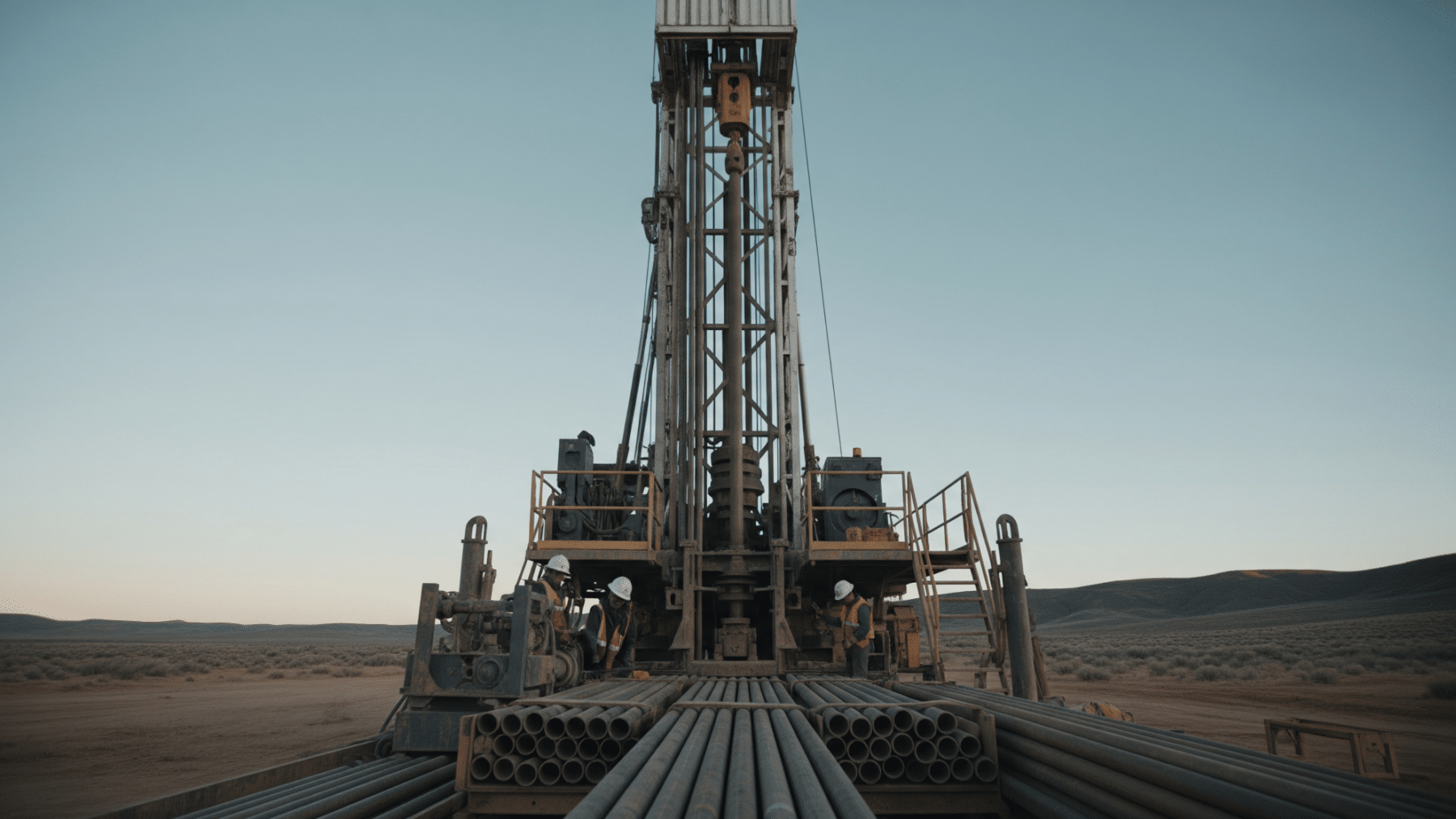
Somewhere beneath a flat patch of Utah desert, crews are drilling roughly two miles down through solid rock to reach heat that never stops.
The pitch sounds almost too good to be true: power that runs around the clock, rain or shine, with no fuel to buy and no weather to worry about.
That pitch is real. But so is the number that greets every project team the moment the drill bit hits hard rock.
Why geothermal is suddenly the power technology everyone is talking about
The United States already leads the world in geothermal electricity capacity with roughly four gigawatts, and DOE analysis shows the potential for at least 300 gigawatts of reliable, flexible geothermal power on the U.S. grid by 2050.
That gap, four gigawatts today, three hundred gigawatts possible, is exactly why investors and utilities have started paying very close attention.
Enhanced geothermal systems incorporate newer drilling technologies developed for upstream oil and natural gas production, such as horizontal drilling and hydraulic fracturing, to create hydrothermal reservoirs where they don’t currently exist.
In plain terms: engineers can now manufacture a geothermal field almost anywhere, not just in Yellowstone country.
The deal sheet that shows how fast the market moved
In June 2025, the DOE’s geothermal market report noted that from 2021 to mid-2025, 27 new geothermal power purchase agreements had been signed, a sharp rise over the nine signed between 2015 and 2019, and 12 of those new deals were for next-generation geothermal systems.
Big names are committing real capacity. You can read more about the 26-plus power deals signed for geothermal technology and the details buried in those contracts.
In early 2026, one company signed a framework agreement to provide a major technology buyer’s data centers with power under a deal covering up to 3 gigawatts of geothermal capacity through 2033, with the buyer holding a right of first refusal on newly developed capacity through early 2028.
The data center boom has given geothermal developers a buyer class that desperately wants firm, always-on power, and that tailwind is real.
The plant that everyone is watching right now
The first commercial-scale enhanced geothermal system power project in the United States is under construction in Beaver County, Utah, with its initial 100-megawatt phase targeting a commercial operation date in the fourth quarter of 2026.
This is the 500-megawatt Utah project that analysts have tracked since construction began, the largest next-generation geothermal development planned anywhere in the world.
With Phase I commissioning underway and a 400-megawatt Phase II targeted to bring additional capacity online by 2028, the project is on course to reach full capacity that year.
It reads like a clean-energy milestone. And it is. But look at the cost column on the drilling spreadsheet.
The per-well number that explains every delay this industry has ever had
Here is the catch that the brochures don’t lead with: drilling is expensive, and in hard rock at depths that can approach 20,000 feet in the most ambitious EGS designs, it is staggering.
High upfront drilling expenditures, which constitute 30% to 80% of total project capital, remain the single largest impediment to the commercial scaling of enhanced geothermal systems, and the economic viability of EGS is directly tied to overcoming the cost and risk of accessing subsurface heat.
Drilling costs across the first four horizontal wells at Cape Station fell from $9.4 million to $4.8 million per well, a real and hard-won improvement, but still millions per hole before a single watt flows.
The DOE’s Enhanced Geothermal Shot will seek to cut the cost of enhanced geothermal systems to $45 per megawatt-hour by 2035, an ambitious goal that would shave current EGS costs by roughly 90%.
A 90% cost reduction in roughly a decade is the size of the engineering mountain the whole industry is climbing right now.
Why the drilling race is actually ahead of schedule, and what that means for your power bill
The honest headline is that the math is moving in the right direction, faster than most analysts expected.
Between 2022 and early 2024, the leading developer reduced drilling times significantly and cut per-well drilling costs from $9.4 million to $4.8 million across its first four horizontal wells at the Utah site.
A May 2026 initial public offering on Nasdaq raised approximately $2.2 billion in gross proceeds, real capital from institutional investors who looked at that cost curve and decided to bet on where it ends up, not where it started.
The DOE has backed the push with a $171.5 million funding opportunity aimed at derisking geothermal development approaches and locations nationwide, which can encourage private investment and spur industry growth.
The promise of power under every American city is still on the table. The drilling bill is the honest fine print, and the industry is rewriting it well by well.
