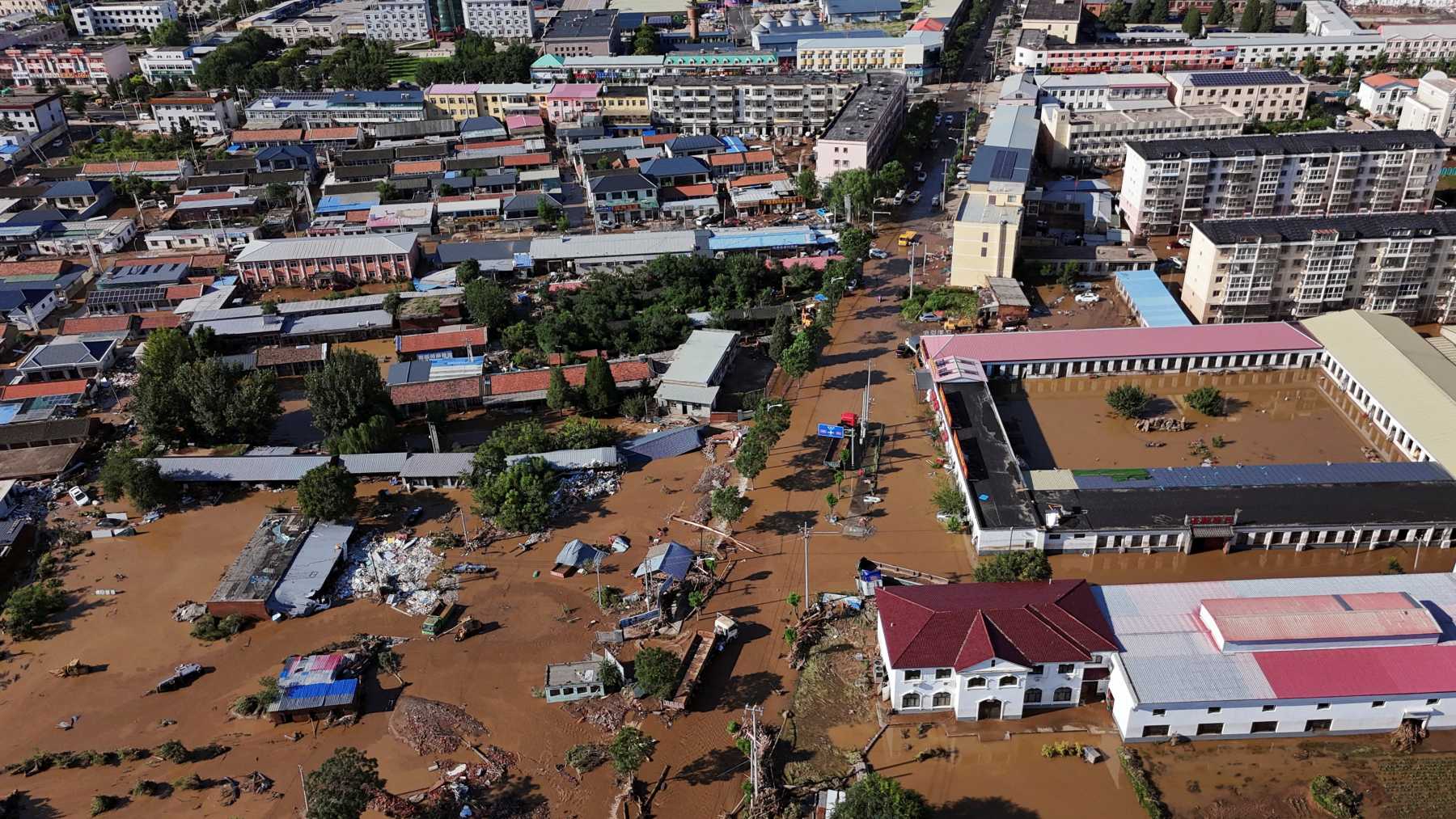
Natural disasters seemed to be worsening, and there was always something. Beijing is one of them. The ground reveals what occurs when unrelenting rain doesn’t stop, and the sky over Beijing has been overcast for days. Homes have been engulfed by rising water, streets have become swift-moving streams, and communities are finding it difficult to maintain their stability. Storms have caused fatal floods, cut off highways, disrupted daily life, and forced residents to navigate a perilous and unpredictable landscape in recent weeks, making it one of the city’s worst weather difficulties in years.
Thousands are evacuated from Beijing as the city faces more devastating floods
Beijing had evacuated more than 70,000 residents by Monday afternoon and warned others to brace for a new round of heavy rainfall, a week after catastrophic floods killed dozens in the deadliest deluge to hit the Chinese capital since 2012. Up to 200mm (7.9 inches) of rain could hit parts of Beijing over a six-hour period from midday, weather forecasters warned. The city of 22 million people receives, on average, 600mm of rainfall each year.
The warning comes as authorities rush to reinforce ageing flood defences, fine-tune weather forecasts and update evacuation plans amid reports of bodies being pulled from raging floodwaters across the country, including at least three at a wellness camp in Hebei province. At least 44 people died in Beijing after heavy rains from July 23 to 29.
Deathly floods reveal weaknesses in Beijing’s readiness for severe weather
Most of the dead were people unexpectedly trapped by rapidly rising waters at a nursing home in Miyun district on the city’s northeastern outskirts. The fatalities led authorities to admit to shortcomings in their contingency plans for extreme weather. By noon on Monday, Beijing had placed all of its 16 districts on the highest level of preparedness, in the first citywide state of readiness since July 28, shutting parts of the Great Wall.
Including other outdoor leisure venues and halting operations of below-ground businesses. The risk of flash floods and landslides is “extremely high”, authorities said. By 2 p.m. (0600 GMT), the capital had relocated more than 70,000 residents – nearly 14,000 of them from the hilly Mentougou district in the city’s west, the state broadcaster reported.
The following are the main obstacles that residents face:
- The potential for electrocution from electrical systems that are submerged.
- Clean drinking water shortages in impacted communities.
- Disruptions to transport make it difficult to get necessary services.
- A proper, safe and secure shelter to keep them warm and safe.
Basic supplies, such as flashlights, rain gear, dry items and bottled water, are in more demand, according to local stores. In order to guarantee that impacted citizens receive the assistance they require as soon as possible, the government has committed to intensifying its supply chain response. These are tough times for Beijing, and they have to do everything in their power to be safe. Look at how extreme rain killed at least 60 in northern China.
In the summer of 2012, 79 people died in Beijing in the city’s deadliest flooding in living memory, with the Fangshan district the worst hit. Beijing’s topography has been described by some as a rain “trap”, with its mountains to the west and north capturing moist air and amplifying any ensuing rainfall as a result. Beijing is not the only region facing these unforeseen occurrences because there was a major quake that hit Russia’s Far East, and tsunami alerts were issued. Floods may finally subside, but the city’s preparation for the next time the skies darken will be shaped by the lessons learnt from this catastrophe.
GCN.com/Reuters.
