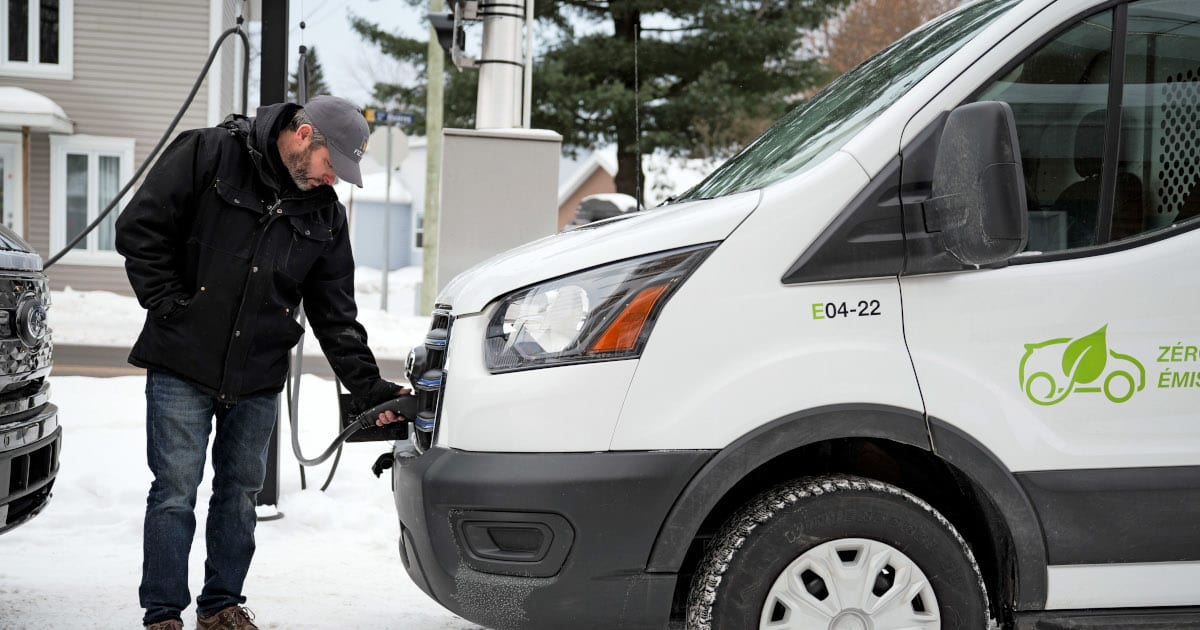
A parked delivery van sits dark in a depot lot at dawn, its engine locked out remotely by someone who never touched the keys.
No wrench turned, no tow truck called.
Across the country, thousands of white vans and pickups quietly report their own vital signs all night long.
Fuel levels, seatbelt clicks, tire pressure, all of it pours into servers before a single driver clocks in.
So how does a fleet office turn that flood of numbers into a single button that can stop a truck cold?
How a fleet office can switch off an engine from a browser tab
The mechanism is simpler than it sounds. Commercial vehicles built with embedded telematics modems constantly transmit location, fuel, and diagnostic signals to a cloud platform, and that same connection runs in both directions. A feature called remote start inhibit lets a fleet manager send a command back down that line, and the truck’s own computer refuses to let the engine turn over the next time someone tries.
Fleet managers can remotely control when a vehicle is turned off directly from the platform, with no hardware needed. There is no separate black box bolted under the dash. The capability rides on software already installed for tracking miles and fuel.
The same two-way link makes an AI layer possible. A Detroit automaker’s commercial division built an assistant that can monitor and analyze more than 1 billion data points daily from connected commercial vehicles, covering seatbelt use, vehicle health, routes and fuel. That scale only works because every truck is already phoning home every few seconds.
So instead of a manager digging through spreadsheets, the system notices the pattern first. If fuel costs spike, the tool can flag idle times and speeding, then draft an email to share with drivers. The manager approves a message instead of writing one from scratch.
Inside a depot where hundreds of trucks report in before sunrise
Picture a regional utility or a landscaping company running eighty trucks out of one yard. Years ago, a fleet manager found out a truck broke down when the driver called from the roadside.
Now the dashboard flags a failing alternator two days before it strands anyone, because vehicle health is one of the streams the system already tracks continuously.
That shift matters most for the businesses this software was built for. Ford’s commercial arm reported a goal of equipping its 840,000 paid subscribers with tools to cut downtime, after growing subscribers 30 percent last year. That is not a handful of pilot fleets, it is a customer base roughly the size of a mid sized city.
Even the rollout mirrors how ordinary phone updates work. One spring update folded theft alerts directly into the base telematics tier, so subscribers get the tools automatically and configure them from the main dashboard, at no extra cost.
What the public record actually confirms about the system
None of this is marketing language alone. The company’s own announcement of the assistant this year described it as a way to help subscribers cut downtime, and it disclosed the billion data point figure directly to reporters rather than burying it in a press kit.
Later software notes confirm the remote shutoff tool is live, not conceptual. The June release notes describe fleet start inhibit alongside security alerts for unauthorized access and towing, delivered through the same dashboard a manager already checks mileage on.
The business logic is concrete too. Leadership has said software and service revenue, separate from selling trucks, is nearing a fifth of the division’s earnings.
That is why features keep arriving as subscription upgrades rather than one time purchases.
Where the system runs into real limits
Even so, the technology has edges. A remote shutoff only works on a vehicle with an active modem connection, so a truck parked in a dead cellular zone or with a lapsed subscription stays outside the manager’s reach. Fleets that let a subscription expire lose the safety net along with the convenience.
The billion daily data points are not evenly useful either. A single seatbelt click matters far less alone than stacked against weeks of the same driver’s pattern, which is why the assistant is built to summarize trends rather than flag every raw reading.
There is also a quieter tension worth naming. The same connection that lets a manager disable a stolen van also means the vehicle is reporting driving behavior around the clock, a tradeoff some drivers are still adjusting to. That overlaps with how fleet software already tracks a delivery van’s real world range far more precisely than a window sticker ever could.
What this means for the trucks already on the road
None of this requires buying a new vehicle. Because the hardware already exists inside most recent commercial trucks and vans, the capability spreads through a software update rather than a dealership visit, the same way a seat safety fix can reach thousands of vehicles overnight.
For a small business running five trucks, tools once reserved for giant logistics operations now arrive automatically with a subscription already being paid for. The gap between a mom and pop outfit and a national delivery network keeps narrowing.
What remains open is how far the automation goes next. A manager still approves the email before it sends and still decides whether to inhibit a start. Whether that human step survives as the system gets smarter is the real question fleets are watching.
