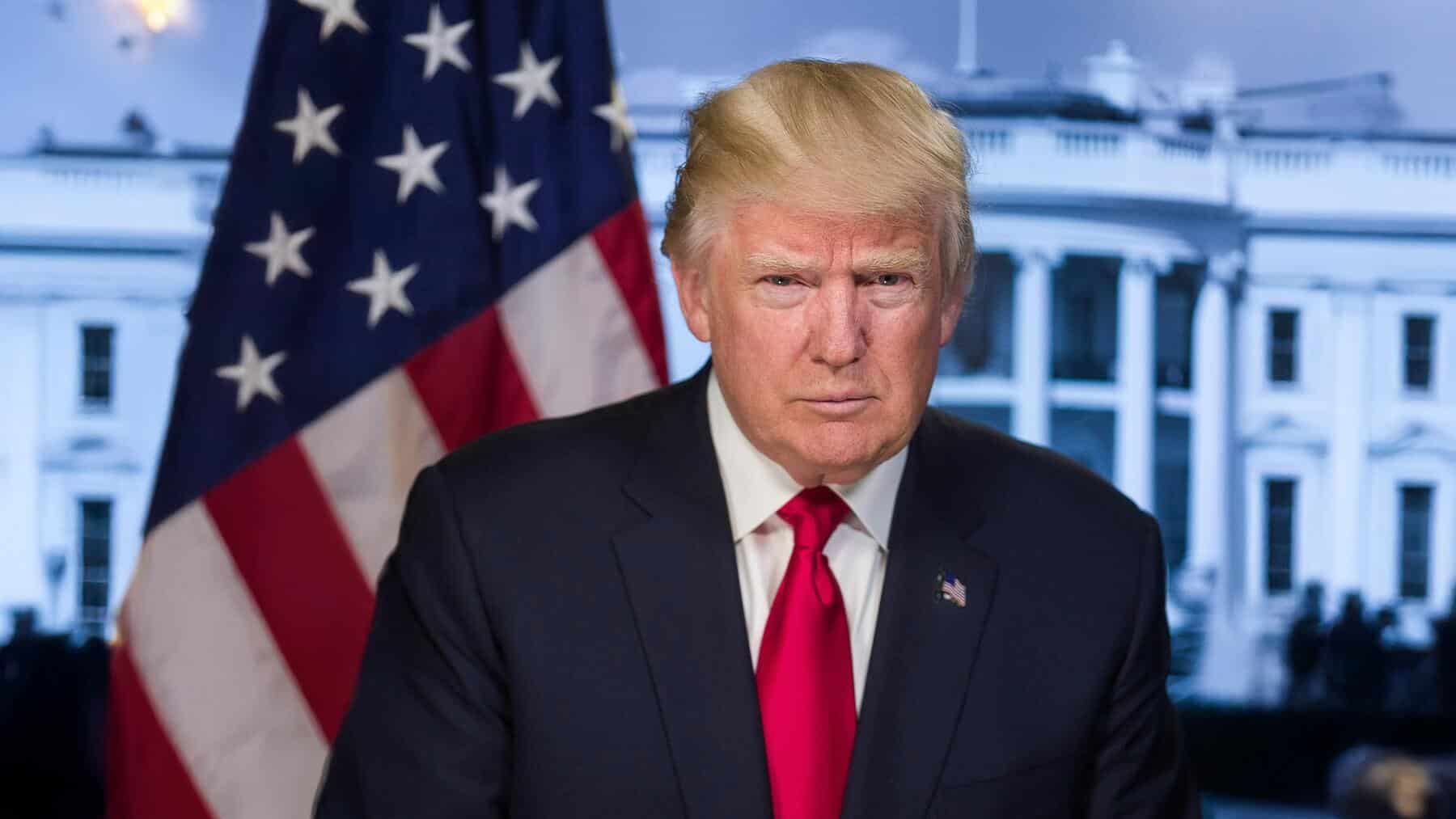
The U.S. President addressed the world business community before attending the World Economic Forum in Davos. By addressing this audience, he became a central figure within an event that has historically been attended by representatives of large multinational corporations, governments, and banks. Therefore, his comments have the potential for greater influence outside of the boundaries of the mountain resort where the World Economic Forum took place.
Trump’s comments revolved around three major themes
President Trump’s comments were framed around three major themes: economic strength, competitiveness, and national leadership as a determinant of global economic development. He portrayed the U.S. as a major player in the global economy. He asserted that economic stability and prosperity can only be achieved through decisive action rather than through diplomatic efforts to achieve a consensus-based agreement.
It was after this that the broader implications of Trump’s message began to take shape. While Trump’s message was based on the traditional theme of economic growth, the larger message that Trump conveyed was related to trade and geopolitics. This was particularly with regard to U.S. relations with Europe. Specifically, Trump made it clear that there is an expectation of how economic cooperation should occur. He also indicated that there will be repercussions if those expectations are not fulfilled.
Historically, Davos has been known as a venue for multilateralism and free trade. However, these goals have traditionally conflicted with the more transactional view of foreign policy of President Trump. As such, his comments sparked a great deal of discussion among attendees at Davos.
One of the prominent components of that message was Trump’s renewed focus on Greenland
This was about whether the continued existence of a world economic coordination is possible under conditions where nationalism is increasing across the globe.
One of the most prominent components of that message was Trump’s renewed focus on Greenland
Trump stated that Greenland is a strategic location that is important to both the national security and the economic security of the U.S. While Trump did not elaborate too much on this topic, references to Arctic access, critical resources, and long-term security suggest why this territory is becoming increasingly central to Trump’s foreign policy thinking.
In addition to the discussion of Greenland, Trump again stated that he was willing to utilize tariffs as a means of negotiation. Donald Trump also indicated that countries benefiting from their access to the U.S. market must be prepared to be more aligned with U.S. interests.
Attendees reacted to President Trump’s comments in different ways. Some saw positive aspects in Mr. Trump’s focus on predictability, borders, and national interest.
President Trump shifted the tone of the conversation at Davos
They argued that the certainty associated with Mr. Trump’s comments would allow businesses to develop more concrete plans than in the past. European officials who attended Davos expressed concerns about the implications of President Trump’s comments. These comments suggested that economic mechanisms could be used to influence territorial or sovereignty-related issues.
While some of the European officials declined to publicly comment on President Trump’s comments, their private conversations indicated their fear. They feared that the use of this type of economic tactic would weaken existing alliances. This is at a time when there was an urgent need for international cooperation on security, climate, and technological development.
As a result of his address to the World Economic Forum, President Trump shifted the tone of the conversation at Davos before the official meeting began.
Participants were no longer simply discussing innovation, sustainability, and inclusive growth. They now had to consider how to apply their thinking about power, leverage, and what the future of the global rules-based economic order may look like. President Trump’s participation at the World Economic Forum clearly revealed a fundamental contradiction between a cooperative global economic system and a competitive and nationalistic political reality.
