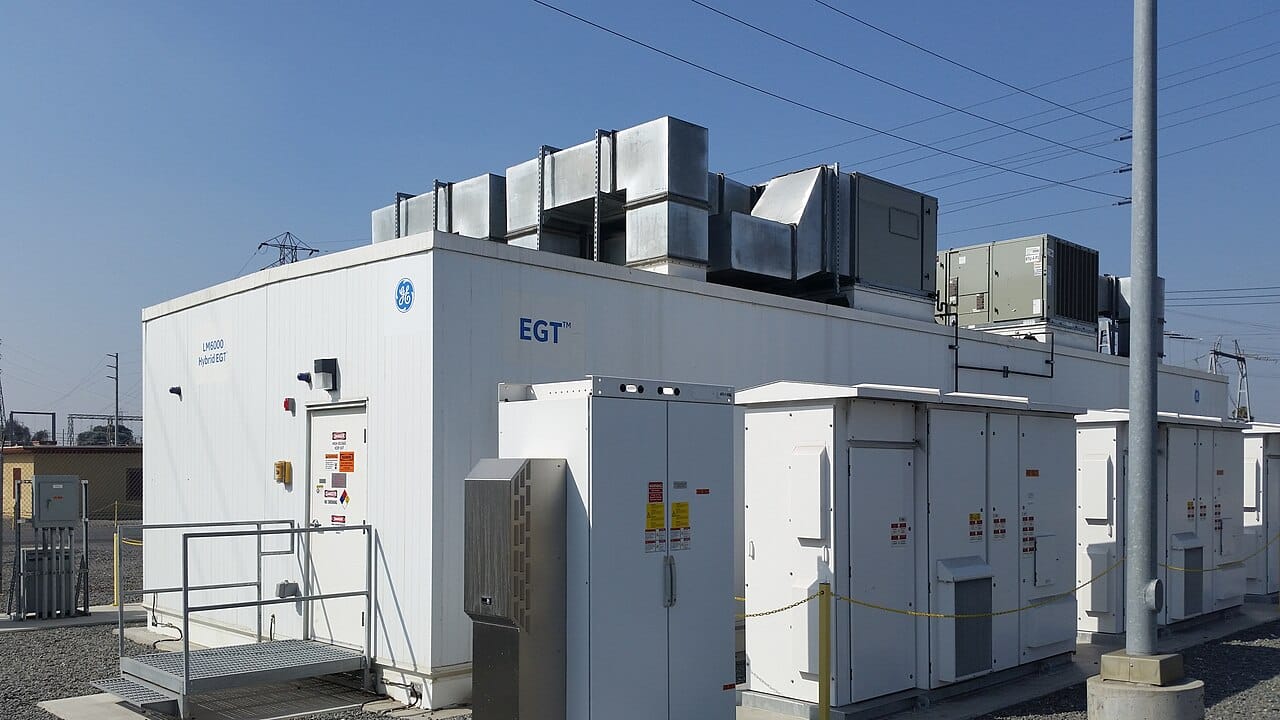
The U.S. Energy Information Administration now expects the nation’s electric power sector battery storage capacity to reach 91.7 gigawatts by the end of 2027, up from 43.1 gigawatts at the close of 2025, according to the agency’s November Short-Term Energy Outlook.
That trajectory would nearly double the country’s battery fleet in just two years.
What the new forecast shows
The US Energy Information Administration expects battery storage capacity in the US electric power sector to reach 66.0 GW at the end of 2026 and 91.7 GW at the end of 2027.
The projection appears in the capacity tables of the agency’s latest outlook, released Nov. 10.
EIA’s November outlook leaves the end-2026 battery forecast essentially unchanged from the October edition at 66.0 GW , while the 2027 figure moved higher.
Separately, EIA’s broader capacity additions data underscore how central batteries have become to new power buildout.
EIA also expects the utility sector will install more than 25 GW of battery storage next year, reaching 91.7 GW of installed capacity by the end of 2027, an increase of nearly 40% over expected 2026 totals , according to Utility Dive’s coverage of the outlook.
Batteries now rival new gas and wind additions
The storage buildout is happening alongside a broader shift in how the grid balances supply.
The electric power sector could install more than 26 GW of battery storage next year, helping support a renewable resource base that is expected to supply almost a quarter of 2027 consumption, EIA said.
That places storage growth on par with, or ahead of, many conventional generation additions planned for the same period.
Much of that growth is tied to the pairing of batteries with solar projects rather than standalone storage.
Federal data tracked through EIA-860 filings show utility-scale solar developers increasingly co-locating storage with new photovoltaic capacity.
Utility-scale solar developers are increasingly co-locating battery storage with new solar photovoltaic capacity. As of September, 13% of the total U.S. utility-scale generating capacity is solar photovoltaic, and 18% of that is co-located with battery storage , and over 16% of new utility-scale solar capacity added this year is co-located with operable battery storage, compared with 2% in 2017, according to data reported to the U.S. Energy Information Administration by operators , according to the EIA’s Today in Energy report.
Reported plans for solar additions scheduled to come online in the last three months of this year show that the share with co-located battery storage could increase to 19% this year. Longer-term plans indicate that this trend will continue, with the portion increasing to more than 30% in plans submitted for 2027 and 2028, EIA said on Oct. 30.
That trend mirrors the growing use of automated charging and discharging strategies that utilities elsewhere are rolling out for shifting electric load off peak.
Why batteries are scaling now
The shift reflects a structural change in how grid operators value flexible capacity as electricity demand climbs.
The International Energy Agency’s latest renewables report, published alongside EIA’s outlook, frames storage as increasingly central rather than a side technology.
The International Energy Agency’s Renewables 2026 report suggests batteries, especially behind-the-meter systems installed at homes and businesses, are becoming increasingly important to how renewable electricity is used, valued, and integrated into power systems , according to the IEA’s executive summary.
The IEA also points to the scale of the shift ahead globally.
Behind-the-meter battery storage is expected to expand almost sixfold to over 670 gigawatt‑hours by 2031, with more than one-third of home PV systems including a battery by that year , and over 550 GWh of energy storage capacity and approximately 230 GW of power capacity are expected to be added between 2026 and 2031 .
What it means for the grid
For grid planners, the forecasted near-doubling of battery capacity signals that storage is shifting from a supplementary tool to a core piece of how the power system manages daily swings in supply and demand.
Utilities have already begun experimenting with automated dispatch and pricing tools tied to batteries and electric vehicles, including programs that have scaled automated charging programs to tens of thousands of participants.
EIA’s Short-Term Energy Outlook is updated monthly and is widely used by utilities, regulators and investors to plan capacity additions.
The agency’s next outlook, due Dec. 8, will show whether the 2027 battery forecast holds steady or continues to climb as more projects move from planning into construction.
